Nederlands
 Deutsch
 Español
  Français
 Русский
Engineering Space-Saving Bathroom Mirrors with Integrated Shelving: B2B Design and Manufacturing Insights
Modern apartment developments require smart space utilization without sacrificing aesthetic value or durability. For B2B buyers, sourcing heavy-duty, multi-functional furniture is critical to maximizing restricted floor plans. This engineering-first analysis examines how OEM manufacturers design and construct space-saving mirror cabinets that balance ultra-slim depths with high structural integrity.
Balancing Slim Profiles with Functional Storage Capacity
Engineering a high-performance Bathroom Mirror With Shelf requires strict adherence to space-saving dimensions. In metropolitan apartment designs, the maximum allowable projection for wall-mounted storage is typically under 120mm. OEM manufacturers utilize technical CAD software to design recessable and ultra-slim profile chassis systems that deliver functional internal storage without encroaching on the user's physical movement zone.
Achieving this slim depth requires optimizing the internal structural wall thickness down to 1.2mm using high-strength alloys. By minimizing the structural frame thickness, the internal storage volume is maximized, allowing ample space for modern personal care items while keeping the external footprint flush and unobtrusive.
Material Selection for High-Humidity Environments
To ensure long-term durability in high-humidity multi-family buildings, material specifications must be rigorously controlled. Traditional MDF or low-grade metals degrade rapidly under persistent moisture exposure. OEM manufacturers prioritize marine-grade aluminum alloys, copper-free high-definition glass, and moisture-resistant polymer composites to mitigate risk of corrosion or glass desilvering.
Using a premium Bathroom Mirror as the base plate, manufacturers apply specialized anti-oxidation protective coatings. Furthermore, the selection of stainless steel hinges with advanced electroplated finishes prevents oxidation, ensuring that the unit remains structurally sound and visually pristine over decades of continuous tenant use.
Integrating Waterproof LED Electronics and Power Outlets
Modern commercial specifications increasingly demand smart features, requiring manufacturers to integrate electronic components directly into the space-saving frame. This includes low-profile LED driver housing, internal shaving sockets, and USB charging points. Integrating these features within a confined depth requires complex electrical routing and strict compliance with IP44 and UL safety standards.
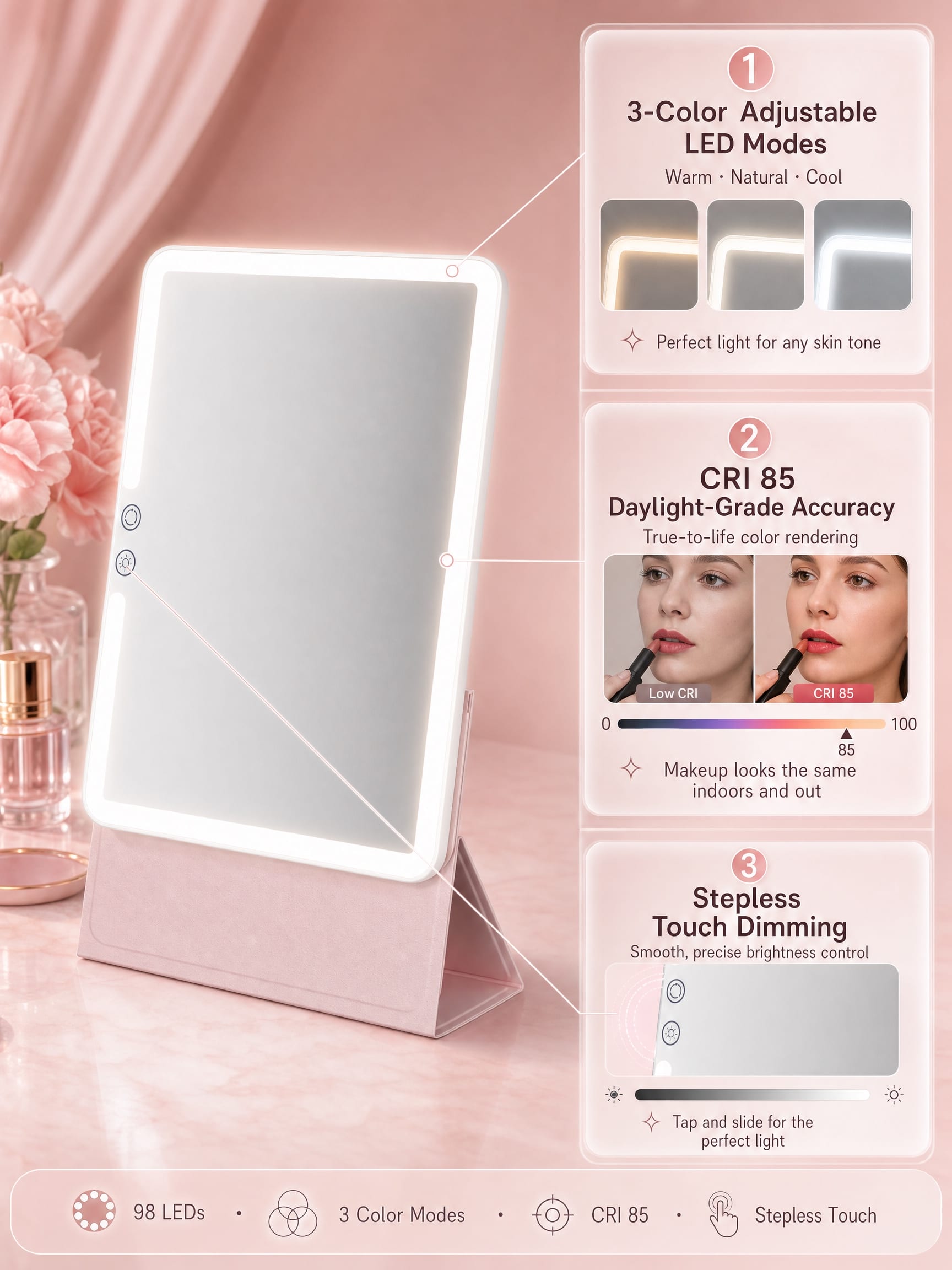
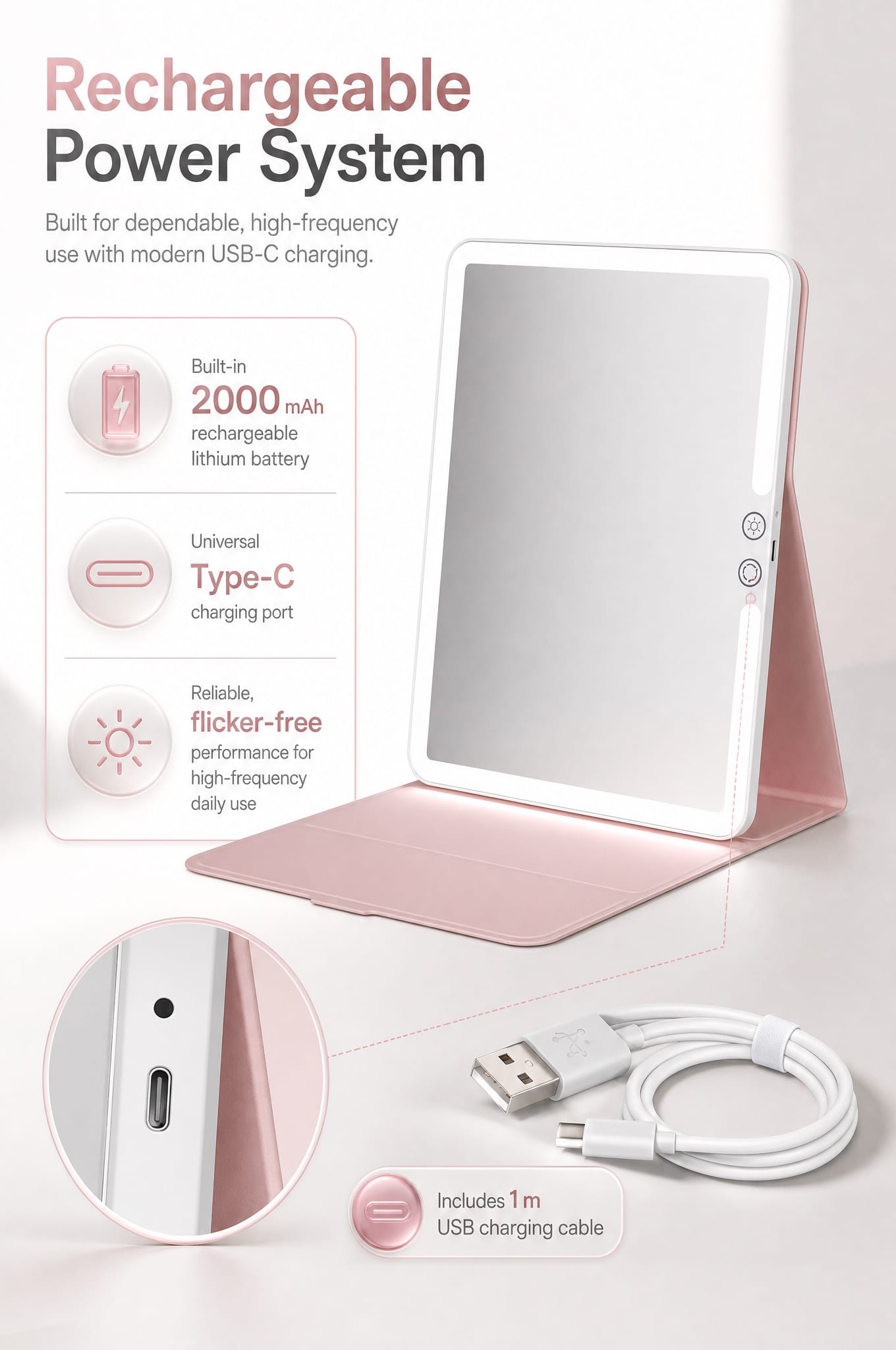
The integration process involves milling dedicated cable pathways into the structural backing. For high-end specifications like a Makeup Mirror With Storage, the wiring must remain completely hidden behind internal acrylic diffusion panels, protecting the electronics from water ingress while ensuring seamless ambient light distribution.
Hardware Customization and OEM Production Costs
Custom hardware configurations are a primary driver of unit costs in B2B projects. Soft-close hinges, touchless infrared sensors, and magnetic organizational strips add value but require precise tooling. During the initial Bathroom Mirror Customization phase, engineers run finite element analysis (FEA) to determine how weight distribution shifts when glass doors are opened, optimizing hinge placement to prevent structural fatigue over time.
To control production costs, experienced OEMs standardize the internal cabinet carcass dimensions while allowing external elements—such as the front-facing mirror style, glass beveling, and perimeter LED diffusion patterns—to be fully customized to match the unique aesthetic of the development.
Recessed vs. Surface-Mounted Engineering Specifications
Project managers must choose between recessed and surface-mounted configurations early in the architectural planning phase. Recessed units sit inside the wall cavity for a fully flush look but require precise structural framing, whereas surface-mounted units are faster to install but project further into the room. Choosing the right mounting method directly influences the overall depth limits and load-bearing requirements of the installation wall.
| Engineering Parameter | Recessed Mounting | Surface Mounting |
|---|---|---|
| Wall Cavity Requirement | Minimum 90mm depth required inside wall stud | None (mounts directly to finished drywall) |
| External Projection Depth | 10mm to 20mm (almost flush) | 110mm to 130mm total projection |
| Hinge Durability Rating | 50,000-cycle open/close heavy-duty hinges | 50,000-cycle open/close soft-close hinges |
| Load-Bearing Capacity | Up to 25kg (supported by wall studs) | Up to 15kg (supported by anchors and brackets) |
Sourcing Checklist and Frequently Asked Questions
For B2B procurement specialists, qualifying a manufacturer requires focusing on structural longevity, component safety, and load-bearing capacities. The following technical checklist and FAQ will assist Sourcing and Project Managers in making informed purchasing decisions.
Selection Checklist:
- Confirm use of copper-free HD silver glass to prevent desilvering.
- Verify IP44 or IP65 ingress protection ratings for all integrated LED elements.
- Inspect structural load tests of internal glass or aluminum shelving panels.
- Ensure standard hardware components have passed 50,000-cycle stress testing.
- Confirm heavy-duty wall anchor systems are included for surface-mount units.
Q: What are the standard load-bearing limits for OEM wall-mounted mirror cabinets?
A: Standard recessed units can support up to 25kg when secured directly to structural wall studs. Surface-mounted options are rated up to 15kg, depending on the quality of the wall anchors and the thickness of the backing plate.
Q: How do manufacturers prevent rust inside high-humidity bathroom mirror cabinets?
A: OEMs utilize marine-grade aluminum profiles or electroplated stainless steel housings paired with premium polyurethane powder coatings, ensuring structural parts do not rust or corrode even in unventilated, high-humidity environments.
Q: What is the absolute minimum depth achievable for an integrated mirror cabinet?
A: The absolute minimum structural depth for functional storage is 90mm. Anything shallower limits storage capacity to very thin bottles, rendering the shelving impractical for commercial apartment use.
Q: Are electronic components like shaver outlets and touch sensors easy to replace?
A: Yes, professional OEM designs incorporate modular electronic compartments located behind removable service plates. This allows maintenance teams to swap out drivers or sensors in under 10 minutes without removing the mirror cabinet from the wall.
Q: Can modern design upgrades such as frameless or custom shapes be applied to space-saving models?
A: Absolutely. Designers can specify a Frameless Bathroom Mirrors aesthetic or request custom geometries to match contemporary interior design schemes without altering the underlying cabinet structure.