Nederlands
 Deutsch
 Español
  Français
 Русский
The Future of Illuminated Bathroom Mirrors: Smart Sensors and Dynamic Lighting for Hospitality Tech
The hospitality sector is experiencing a rapid technological shift as hotels transition from static fixtures to highly connected, smart environments. Modern hospitality developers and electrical engineers require illuminated vanity systems that seamlessly integrate with building management protocols while offering exceptional aesthetic appeal. As a leading manufacturer, we focus on engineering robust solutions that bridge the gap between luxury guest experiences and long-term commercial durability.
1. Technical Integration of Smart Sensors and Centralized GRMS
Integrating localized touch sensors with a hotel's centralized Guestroom Management System (GRMS) requires a deep understanding of low-voltage control circuits. While localized capacitive touch buttons offer guests direct control at the vanity, modern hospitality properties demand automated overrides to reduce energy waste. Our engineering teams design dual-bus interfaces that allow localized touch sensors to communicate state data directly to the central guestroom controller, enabling auto-off triggers when the guest exits the room.
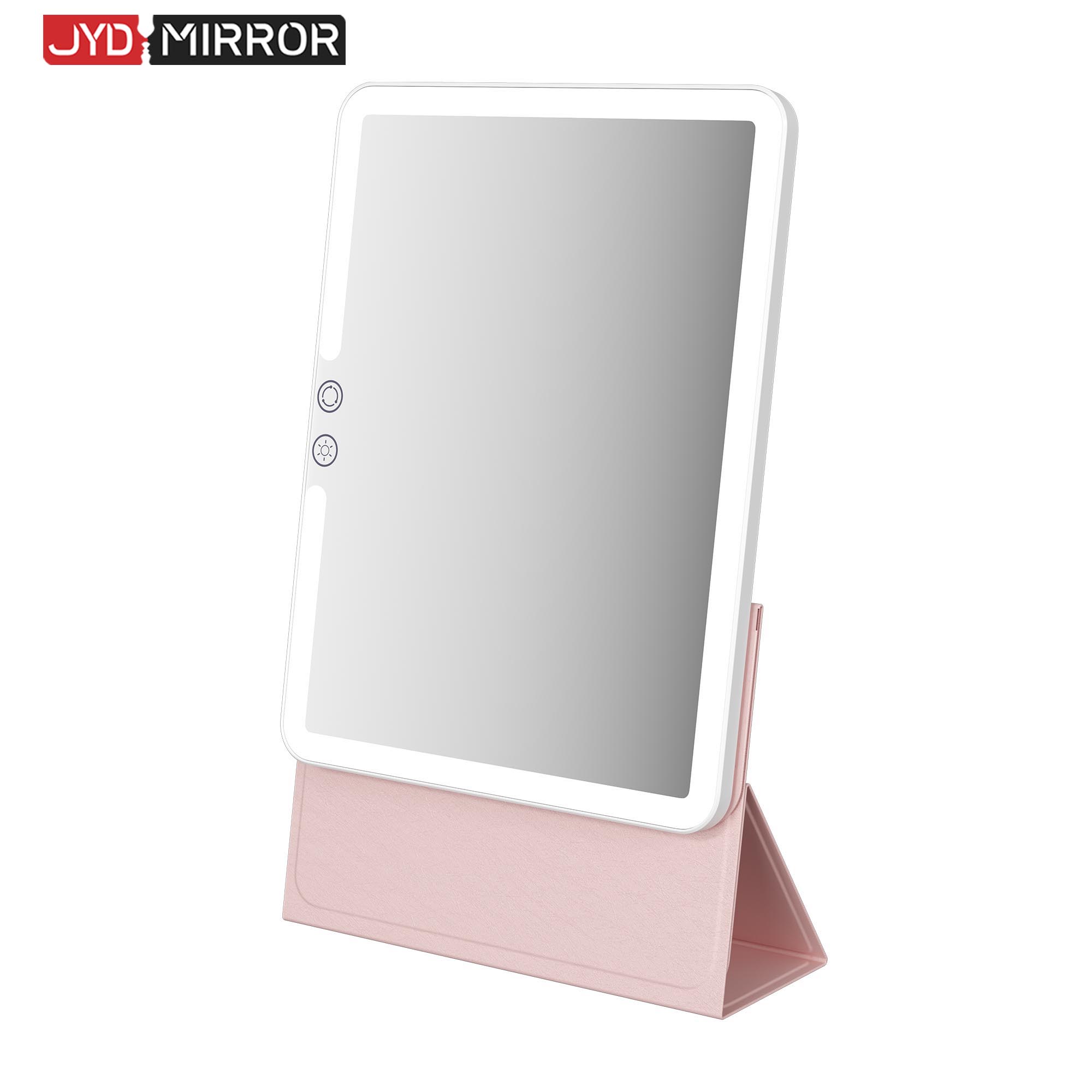
When executing a bulk hospitality rollout, matching the control protocol of the Bathroom Mirror Customization to the building’s infrastructure is vital. We provide custom-engineered printed circuit boards (PCBs) that feature dry contact interfaces or Modbus/DALI direct connections, bypassing the compatibility issues commonly found in off-the-shelf retail products.
2. Control Protocol Compatibility: 0-10V, DALI, and Phase Dimming
Choosing the correct dimming protocol is critical for hospitality developers during the early electrical design phase. Commercial projects typically utilize 0-10V or DALI (Digital Addressable Lighting Interface) systems to manage architectural lighting zones. Our commercial-grade Bathroom Mirror lines are engineered to house compact, flicker-free drivers supporting these protocols, ensuring smooth dimming curves down to 1% without any audible hum or visible strobing.
For older properties undergoing renovation, TRIAC or phase-cut dimming drivers are often requested to utilize existing wiring. Our manufacturing facility balances these options by offering modular driver cavities in our frames. This allows electrical contractors to swap out driver modules on-site depending on the specific room configuration, dramatically reducing field installation times.
3. Durability Standards and Moisture Protection in High-Humidity Zones
Hospitality bathrooms present harsh environmental challenges, requiring rigorous ingress protection (IP) engineering. To maintain brand standards over years of occupancy, we apply strict design-for-reliability principles. Our dynamic LED drivers and sensor modules are housed within IP44 or IP54-rated enclosures to block moisture ingress and prevent electrochemical migration on the copper traces of the PCBs.
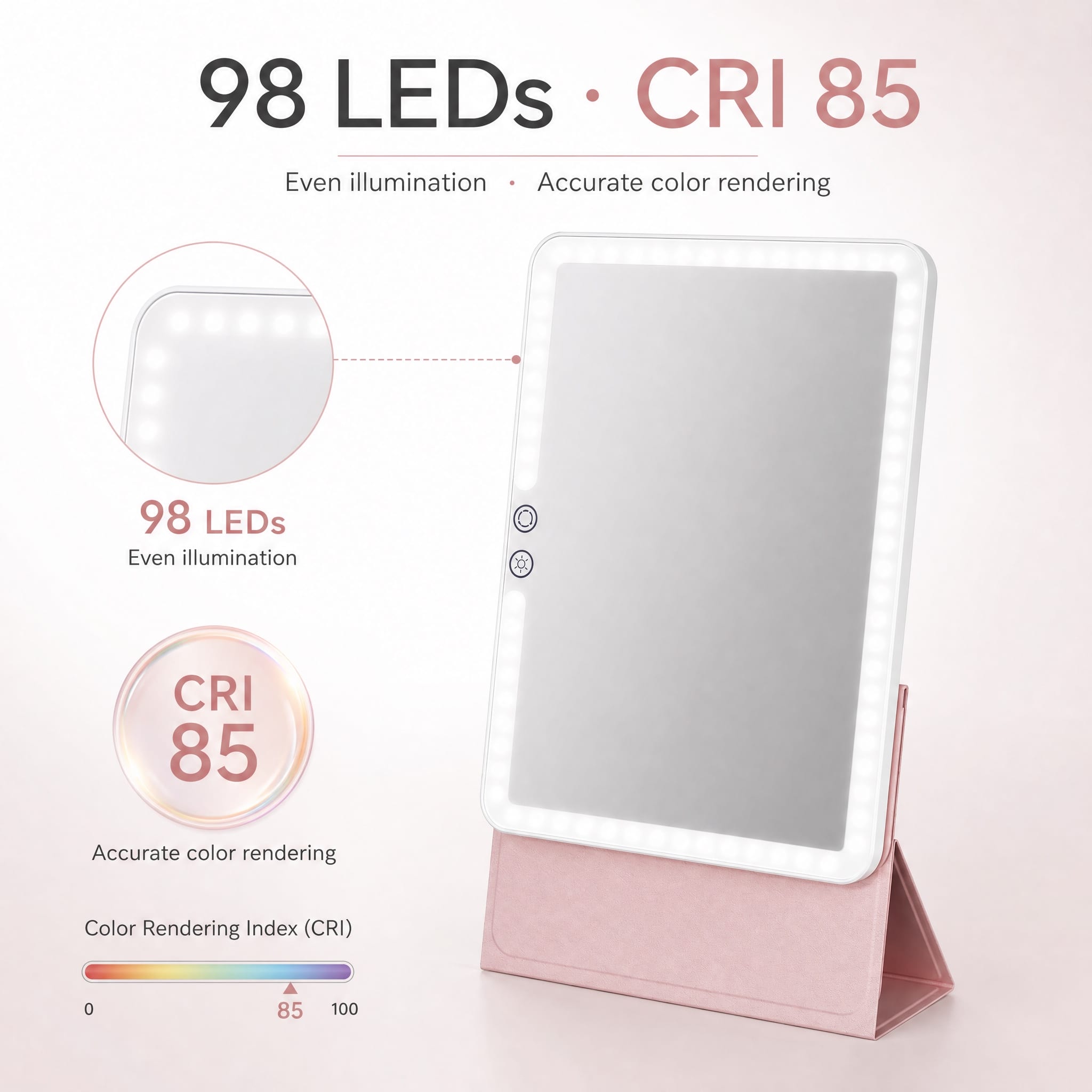
Furthermore, dynamic color-temperature systems rely on precise LED binning to ensure visual consistency across hundreds of rooms. We use tight 3-step MacAdam Ellipse binning for all our LED strips, ensuring that every Rgb Led Bathroom Mirror or tunable white vanity mirror displays identical color rendering index (CRI >90) and color temperature values across the entire hotel rollout.
4. Comparing Smart Sensor and Control Integration Options
Understanding the operational trade-offs of different integration methods helps hospitality developers optimize procurement costs and ensure system reliability. The table below outlines key technical considerations for various mirror control systems in commercial environments.
| Control Architecture | Wiring Requirements | GRMS Compatibility | Key Technical Benefit |
|---|---|---|---|
| Localized Capacitive Touch | Standard 12V/24V low voltage | None (Stand-alone) | Simple installation; low unit cost |
| DALI Driver Integration | 2-core polarity-free control bus | Excellent (Full digital query) | Individual addressing; real-time fault feedback |
| 0-10V Analog Interface | Low-voltage DC control lines | Good (Through analog output) | Industry-standard protocol; simple diagnostics |
| Dry Contact Override | 2-wire relay signal cable | Excellent (Binary switch input) | Robust, fail-safe override for master energy switches |
5. Engineering-Led Field Maintenance and Component Sourcing Protocols
In high-occupancy 5-star hotels, room downtime translates directly to lost revenue. Therefore, selecting a Bathroom Mirror Cabinet or illuminated vanity with modular internal components is a critical requirement for facility maintenance heads. Our engineering designs feature plug-and-play internal connections with quick-release terminal blocks, allowing maintenance staff to swap out an LED driver or sensor controller in under ten minutes without demounting the entire mirror glass.
Our factory supports large-scale global rollouts by implementing rigorous quality control frameworks, ensuring all custom electrical assemblies carry regional certifications such as UL, CE, or SAA. By working directly with an OEM/ODM manufacturer, hospitality developers secure long-term component availability, ensuring that identical replacement drivers and LED modules remain accessible for future property updates.
Frequently Asked Questions (FAQ)
Q: How do smart mirror sensors integrate with hotel property management systems (PMS)?
A: Smart mirror sensors integrate with hotel PMS systems through an intermediary Guestroom Management System (GRMS). The mirror’s controller features dry contact relays or DALI/Modbus communication ports that link directly to the room controller. When a guest checks in or out, the PMS instructs the GRMS to activate or disable the mirror’s standby power mode, maximizing energy conservation.
Q: What are the durability standards for dynamic LED drivers in high-humidity hospitality environments?
A: LED drivers in humid hotel bathrooms must have an IP44 rating at minimum, though IP54 is highly recommended for luxury properties. Additionally, we use potting compounds or protective conformal coatings on all internal driver circuitry to prevent electrochemical oxidation caused by moisture ingress and high temperature cycles.
Q: How does 0-10V or DALI dimming integration work in smart hospitality mirrors?
A: These systems utilize a dedicated control signal independent of the main AC power lines. In a DALI setup, digital commands are sent directly to the addressed micro-driver within the mirror housing to adjust brightness or color temperature. In a 0-10V setup, an analog DC voltage signal is varied along a dedicated control wire to dictate the output level of the LED strip.
Q: What are the maintenance and component replacement protocols for commercial illuminated mirrors?
A: Commercial-grade mirrors are designed with modular chassis systems. The glass panel is mounted on a keyed aluminum French cleat or swing-hinge system, allowing rapid access. Internal drivers, touch sensors, and anti-fog heating pads are connected using tool-free, polarized quick-connect plugs, enabling replacement of components within minutes.
Q: How do customized smart mirrors impact guestroom electrical load planning?
A: Custom smart mirrors impact electrical load planning depending on integrated features like high-output LED strips, anti-fog heating elements, and charging ports. A typical illuminated mirror may draw 30W to 60W, but adding a full-surface defogger pad can introduce an additional 50W to 120W of resistive load. Engineers must coordinate with the manufacturer to receive precise maximum amperage ratings for each configuration during the design phase.