Nederlands
 Deutsch
 Español
  Français
 Русский
Partnering with a Global Supplier for Large-Scale Commercial LED Mirror Projects
Executing large-scale commercial developments, such as high-end hospitality venues or multi-family residential complexes, requires highly coordinated supply chains and reliable engineering partners. Procurement teams must balance custom aesthetic demands with strict building codes, structural durability, and predictable delivery timelines. Partnering with an experienced global manufacturer ensures these requirements are met through systematic production processes, rigorous quality control, and optimized logistics support.
Engineering-to-Spec and Custom Prototyping Capabilities
Commercial developers rarely utilize off-the-shelf lighting or mirror solutions. Each project presents distinct spatial limitations, structural mounting requirements, and specific design aesthetics that demand tailored manufacturing. Experienced global manufacturers mitigate initial design risks by providing structured draft-to-prototype workflows led by dedicated engineering teams.
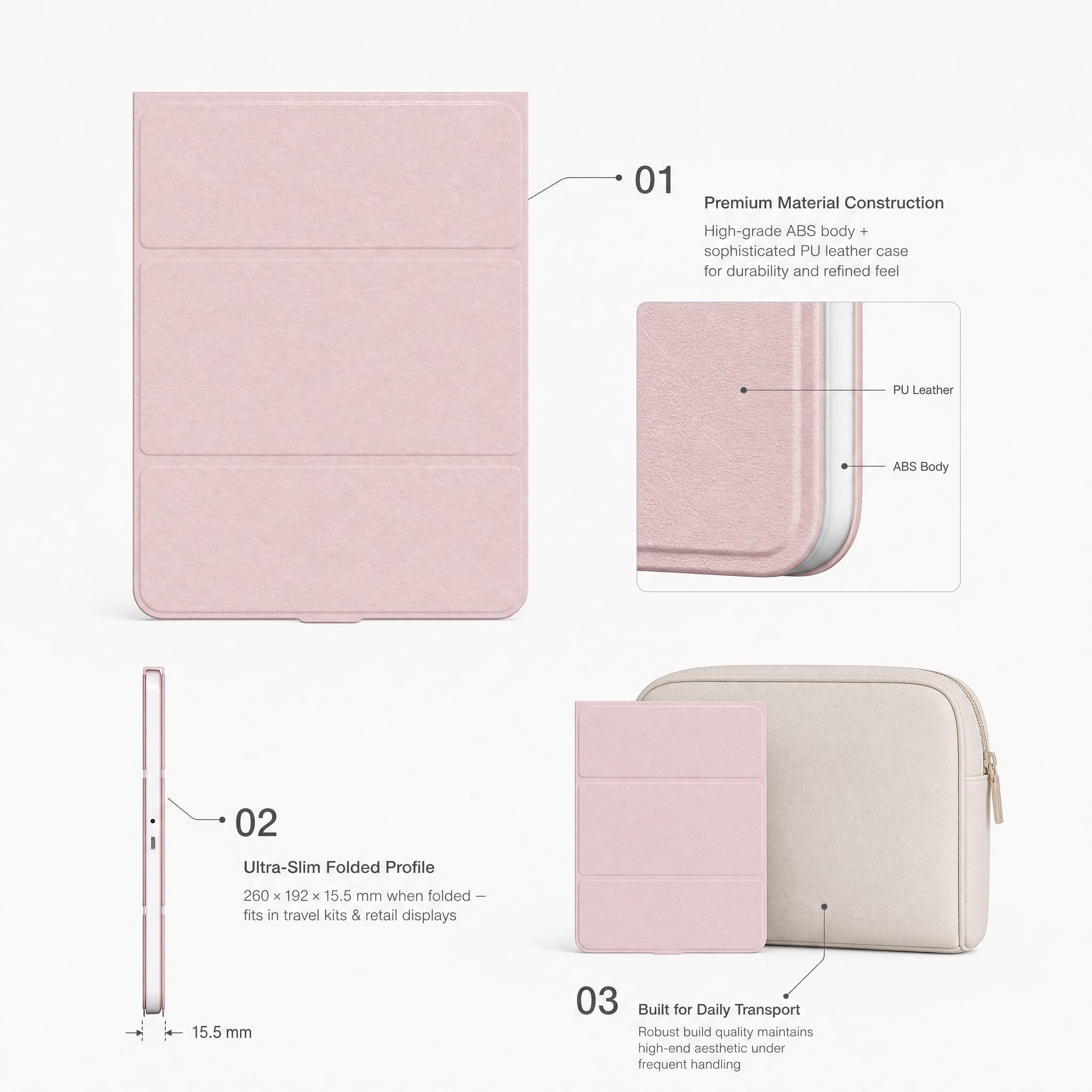
During the prototyping phase, engineers assess material performance, thermal management for LED drivers, and structural integrity. Selecting robust frame materials, such as anodized aluminum or powder-coated steel, prevents corrosion in high-moisture environments. For specialized hospitality projects, developers can leverage comprehensive Bathroom Mirror Customization options to achieve precise physical dimensions, custom frame finishes, and tailored bracket systems that simplify on-site installation.
Rigorous Quality Control and Compliance Standards
Large-scale commercial installations demand strict compliance with regional safety, environmental, and electrical standards. A premium global manufacturer ensures that all components satisfy international benchmarks, protecting developers from costly project delays or failed building inspections. Sourcing teams must verify that the factory holds relevant certifications like UL, ETL, CE, or RoHS depending on the destination market.
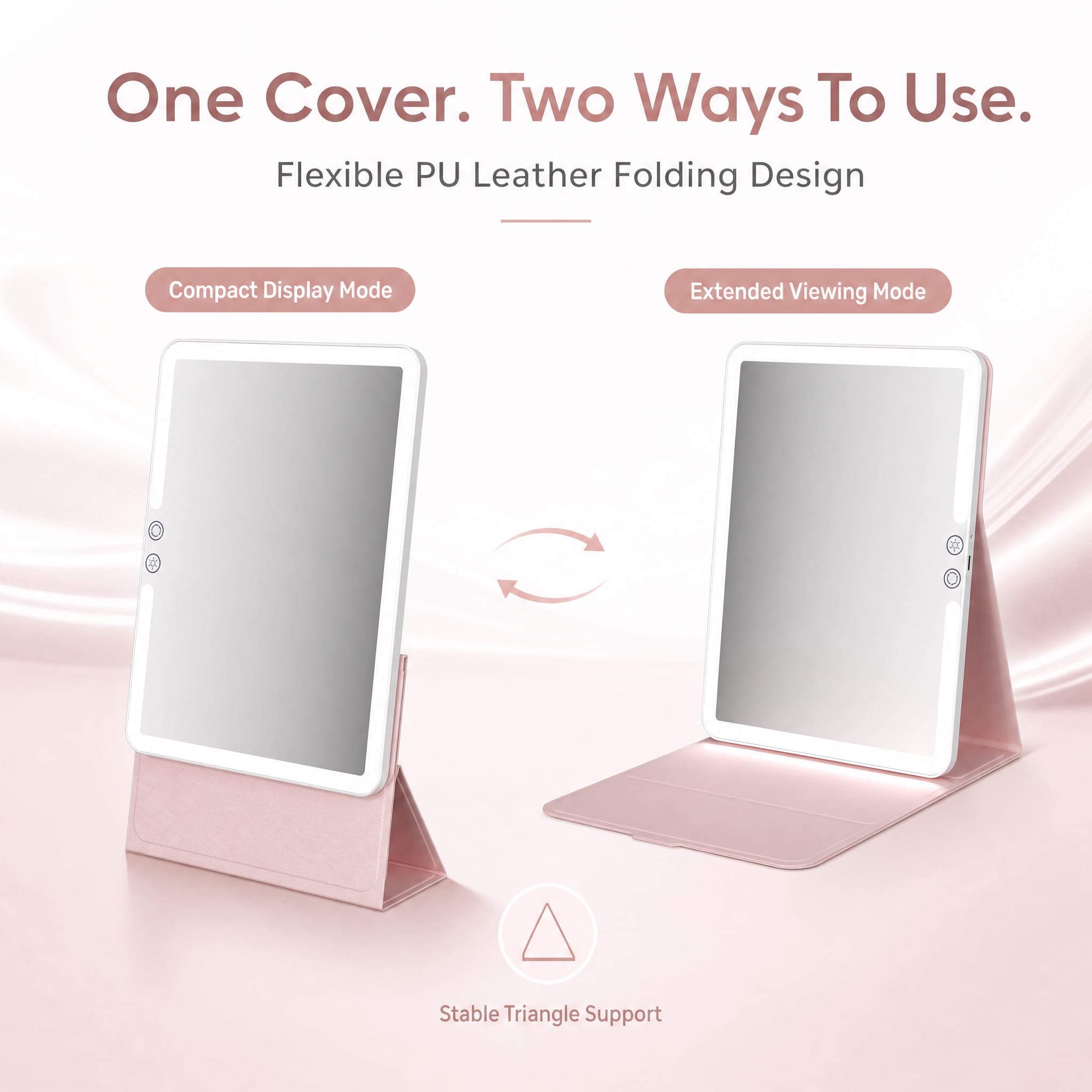
Quality control begins at the raw material stage and continues through automated glass cutting, silvering, and LED mounting. Specialized testing protocols, including high-humidity aging chambers, salt spray tests for hardware, and photometric integrating sphere testing, guarantee that performance is maintained over a long service life. Whether producing a high-volume hotel run or a specialized Rgb Led Bathroom Mirror array, structural and electrical components are individual-tested before final packaging.
Mitigating Risks with a Selection Checklist
To systematically evaluate potential global partners, procurement managers should utilize a structured qualification framework. This checklist ensures the supplier possesses both the technical competence and production capacity to handle large commercial volumes without compromising quality.
- Production Capacity: Verify monthly output limits, automated glass processing capabilities, and assembly line scalability.
- Material Quality: Ensure copper-free silver mirrors (typically 5mm or 6mm thickness) with anti-shatter film backing are standard.
- Driver and LED Quality: Confirm the use of UL/ETL listed, IP44 or IP65 rated waterproof drivers and high-CRI (Color Rendering Index) LED strips.
- Customization Flexibility: Assess the manufacturer's ability to accommodate bespoke requests, such as a Bathroom Mirror With Shelf design or specialized framing.
- Packaging and Drop Testing: Verify that packaging standards comply with ISTA 3A or 6-Amazon testing to prevent transit breakage.
Supplier Capability Comparison for Commercial Projects
Selecting the right class of manufacturer determines the overall success of the procurement cycle. The table below compares different supplier tiers based on key performance metrics essential for commercial developments.
| Capability Metric | Tier 1 Global Manufacturer | Mid-Market Supplier | Trading Company / Reseller |
|---|---|---|---|
| Monthly Capacity | 50,000+ units | 10,000 - 20,000 units | Varies (Unpredictable) |
| Engineering Support | Full in-house R&D; 3D modeling and custom prototypes | Limited modifications to existing designs | None (Catalog options only) |
| Compliance / Certifications | UL, ETL, CE, RoHS, SAA, IP65 | Basic CE/RoHS; partial UL | Often third-party dependent |
| Logistics & Tracking | Turnkey seaport-to-site delivery; container optimization | FOB/CIF port delivery only | Ex-works or standard port delivery |
Overcoming Common Pitfalls in High-Volume Procurement
One of the most frequent errors in sourcing mirrors for large-scale projects is ignoring the complexity of seaport-to-site delivery schedules. Mirrors are fragile and bulky, meaning standard shipping methods often lead to high damage rates or delayed construction timelines. Working with a manufacturer that organizes customized pallet packaging, container utilization plans, and coordinated delivery schedules prevents bottlenecking on-site.
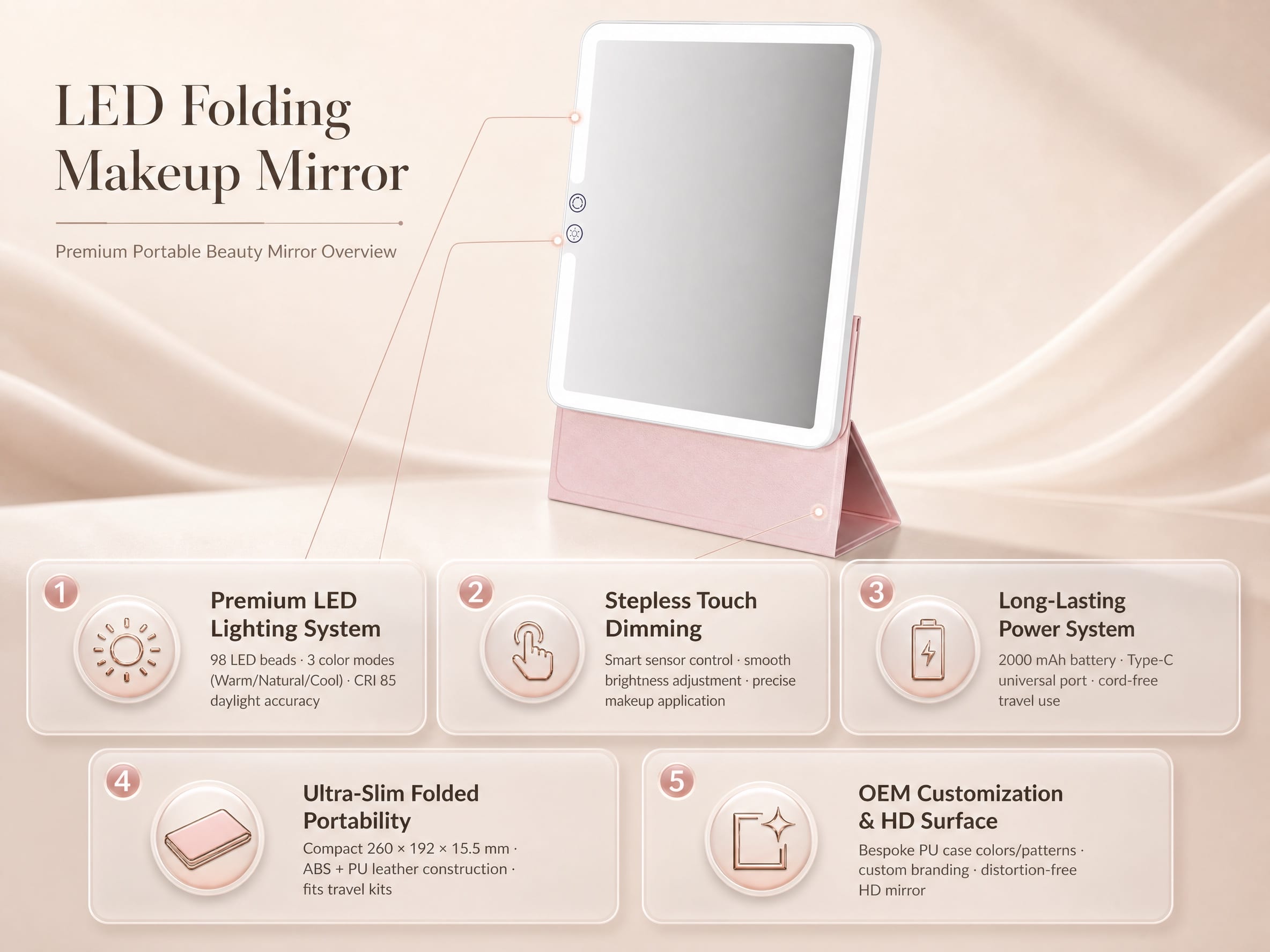
Another common pitfall is failing to account for localized voltage variations and specific commercial installation environments. Hospitality environments require reliable anti-fog heating pads and integrated smart technologies that work seamlessly under varying electrical loads. Expert suppliers guide developers through custom electrical engineering to guarantee that components like a commercial-grade Vanity Mirror Customization fit local junction boxes and meet local building inspection codes.
Frequently Asked Questions
Q: How do global LED mirror manufacturers manage logistics and damage risks for bulk shipments?
A: Manufacturers use advanced packaging designs, including honeycomb cardboard, high-density EPE foam corner protectors, and reinforced wooden crates or pallets. Shipments are packed based on container-load optimization models to minimize movement during ocean transit, and logistics are coordinated directly with freight forwarders to ensure safe, scheduled delivery to the project site.
Q: What are the typical lead times for custom-engineered commercial LED mirrors in large-scale projects?
A: Generally, the initial engineering design and prototyping phase takes 1 to 2 weeks. Once the prototype is approved, mass production for a standard commercial order of 500 to 2,000 units typically ranges from 30 to 45 days, plus ocean shipping time to the destination country.
Q: How do global suppliers handle local electrical compliance and voltage variations for hospitality projects?
A: Professional manufacturers customize the internal driver and wiring configurations based on the target country's electrical system (e.g., 110V-120V for North America or 220V-240V for Europe). They utilize certified drivers (UL, ETL, CE, SAA) and design electrical connection boxes that fit local standard junction layouts.
Q: What quality control standards should a commercial developer look for in a global LED mirror factory?
A: Developers should look for ISO 9001 factory certification, IP44/IP65 waterproof testing for wet environments, salt spray testing for corrosion resistance, and photometric testing to ensure light output consistency. Every single mirror must pass a high-voltage safety test before packaging.
Q: Can global LED mirror suppliers integrate custom smart technology or anti-fog systems at scale?
A: Yes, professional B2B manufacturers can easily integrate UL-compliant anti-fog heating pads, digital clocks, Bluetooth speakers, touch sensors, and dimming controllers during the custom engineering phase, ensuring all integrated electronics scale seamlessly in mass production.