Nederlands
 Deutsch
 Español
  Français
 Русский
Quality Control Protocols in Chinese Mirror Factories: A B2B Importer's Checklist
For high-volume B2B importers, procurement from glass suppliers requires a deep understanding of manufacturing tolerances and material science. Selecting the right supplier involves looking beyond surface-level aesthetics to evaluate the structural, chemical, and optical integrity of the glass. This technical checklist provides sourcing managers with a rigorous framework to audit Chinese mirror factories and verify that every shipment meets international commercial standards.
1. Raw Float Glass Inspection and Chemical Formulation
The foundation of any high-quality commercial mirror is the raw float glass substrate. Leading manufacturers must enforce strict Standard Operating Procedures (SOP) at the raw material receiving stage to detect seeds, bubbles, stones, and scratches before processing begins.
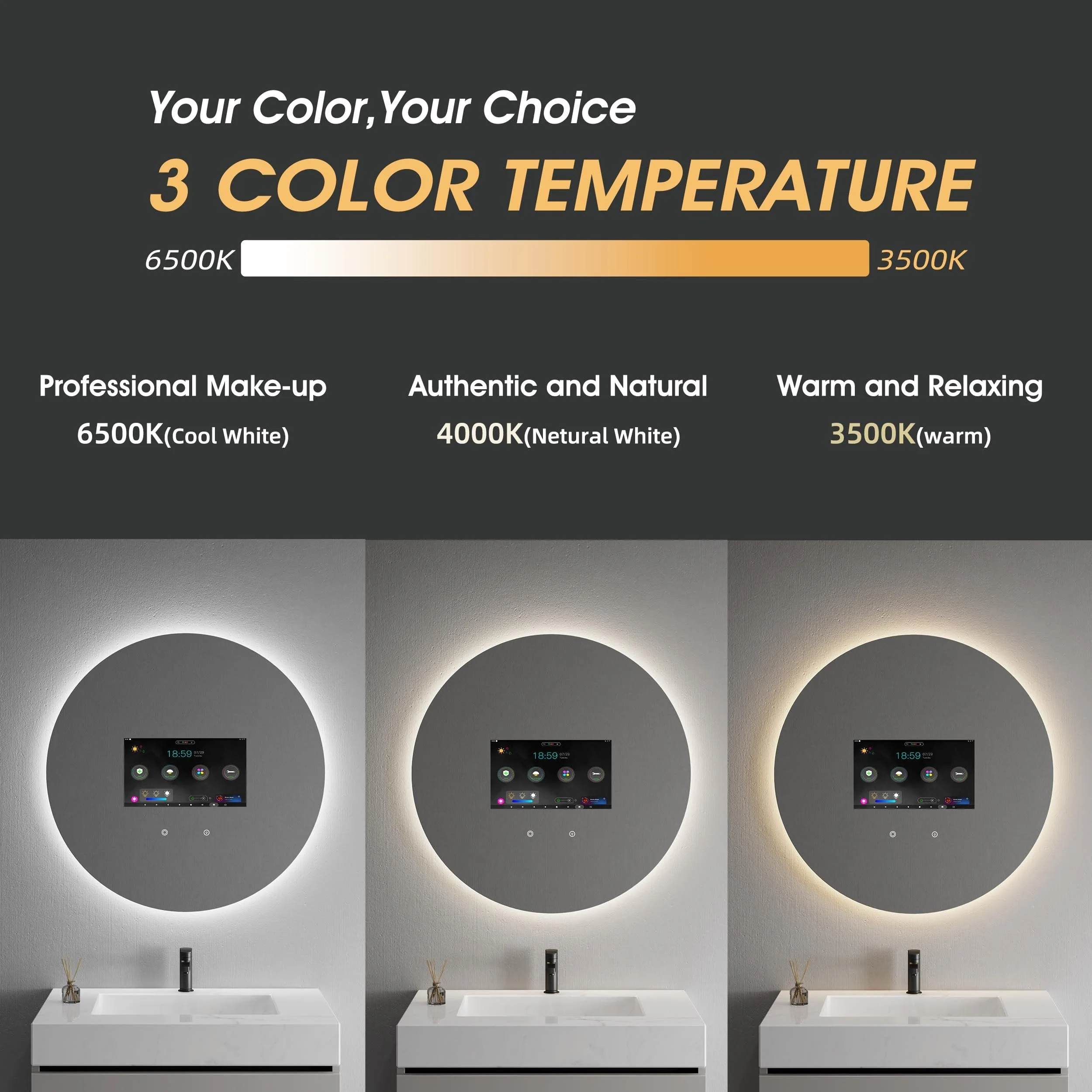
When auditing a factory, verify that they utilize low-iron float glass for high-end applications to avoid the green tint characteristic of standard clear glass. The silvering line must maintain strict control over chemical deposition. High-grade double-coated silver mirrors rely on a multi-layer protective coating: a metallic silver reflective layer, a copper-free passivation barrier to prevent oxidation, and two layers of protective backing paint. Understanding these substrate and coating requirements is essential during the early stages of Bathroom Mirror Customization to ensure long-term durability in high-humidity environments.
2. Reflectivity, Optical Distortion, and CASS Testing
To ensure precise imaging, factories must conduct optical distortion grid tests. This process involves placing the mirror before a black-and-white grid pattern to check for any wave-like distortions. The optical reflectivity must meet or exceed 86% for silver mirrors, which is verified using professional gloss meters.
To simulate years of exposure to humid bathroom environments, manufacturers perform the Copper-Accelerated Salt Spray (CASS) test in accordance with ISO 9227 or ASTM B368. High-quality copper-free mirrors must withstand at least 120 hours of CASS testing without showing signs of edge corrosion, silver peeling, or black spots. This performance level is particularly vital when procuring specialty products like a high-performance Makeup Mirror for commercial or hospitality suites.
3. CNC Beveling and Edge-Sealing Quality Control
Raw cut glass edges are highly vulnerable to humidity and chemical attacks. Once the glass is cut, CNC beveling and grinding must be executed with millimeter precision to prevent micro-fractures along the perimeter.
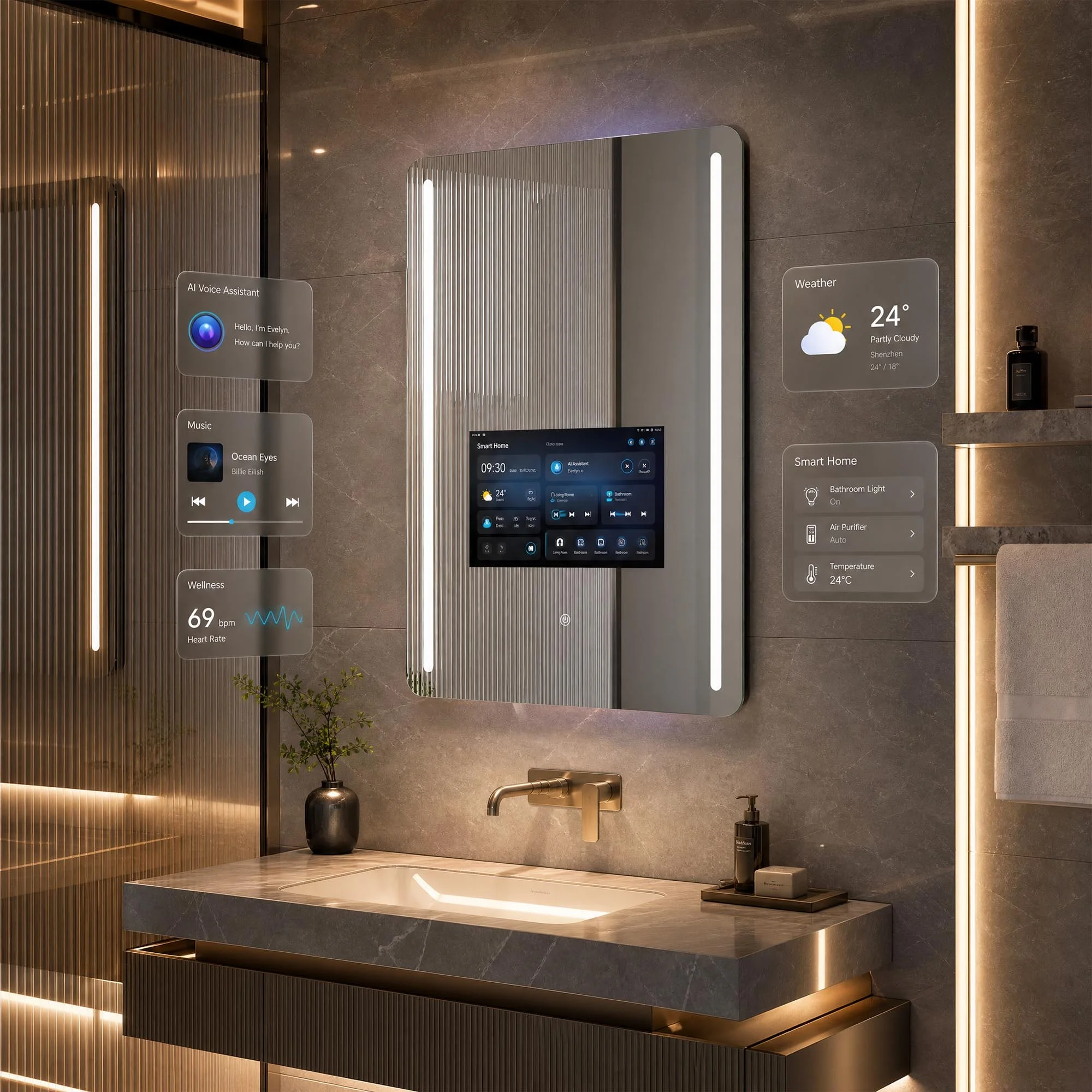
Following the edging process, high-end factories apply a specialized edge-sealing lacquer. This protective seal prevents moisture and cleaning chemicals from penetrating the silver backing, mitigating the risk of silver oxidation and black edge defects over time. Importers managing bespoke programs, such as custom Vanity Mirror Customization, should mandate this edge-sealing step within their quality agreements.
4. Safety Backing and Shatterproof Compliance
For commercial installations and hospitality environments, safety backing is a critical compliance requirement. Factories must be capable of applying CAT I (polyester film) or CAT II (woven fabric film) safety backing to the rear of the mirror. This ensures that if the glass breaks, the shards remain adhered to the film rather than scattering and causing injury.
Verification of safety backing adhesion requires regular peel strength tests. The factory QC team must demonstrate that the adhesive backing complies with ANSI Z97.1 or EN 12600 impact standards, providing safe usage parameters for commercial applications.
5. Technical Comparison: High-End vs. Low-Grade Mirrors
To assist procurement teams in evaluating potential suppliers, the table below highlights the key differences between high-end double-coated silver mirrors and low-grade aluminum alternatives.
| Technical Parameter | High-End Silver Mirror (Double-Coated) | Low-Grade Aluminum Mirror |
|---|---|---|
| Reflective Layer Material | Pure Silver (Ag) Deposition | Vacuum Aluminum (Al) Deposition |
| Copper-Free Protection | Yes (Lead content < 90 ppm) | No (Highly prone to oxidation) |
| CASS Test Performance | > 120 Hours (No edge corrosion) | < 24 Hours (Rapid spotting) |
| Reflectivity Percentage | ≥ 90% | 80% – 84% |
| Edge Oxidation Risk | Extremely Low (With edge sealer) | High (Within 6–12 months) |
6. Sourcing & Quality Control FAQ
Q: How do Chinese mirror factories test reflectivity and distortion?
A: Factories utilize calibrated optical gloss meters to measure light reflection percentages. Distortion is evaluated using structured optical grid boards, where QC technicians look for any deviations or bending in the reflected grid lines across the mirror surface.
Q: What is the standard defect tolerance for commercial mirrors in batch procurement?
A: Standard commercial tolerance allows zero major defects (such as deep scratches, bubbles, or silver peeling) within the central viewing zone. Minor edge defects are limited to less than 0.5 mm and must not compromise the overall structural integrity or appearance of the product.
Q: How does a mirror manufacturer prevent silver oxidation and black edge defects?
A: Manufacturers prevent oxidation by using a copper-free protective coating process, applying dual layers of durable backing paint (Fenzi or equivalent), and sealing the grinded edges with specialized anti-corrosion lacquer before packaging.
Q: What quality control steps should be included in a third-party mirror inspection?
A: A comprehensive inspection checklist should include a cross-hatch adhesion test for the backing paint, dimensional and thickness checks, beveling and edge smoothness verification, reflectivity measurements, and a drop test for packaging.
Q: How do manufacturers verify shatterproof and safety backing compliance?
A: Factories verify safety compliance by applying CAT I or CAT II adhesive films to the back of the mirror and performing impact tests in accordance with EN 12600 or ANSI Z97.1 to confirm that broken glass fragments remain securely bound to the film.