Nederlands
 Deutsch
 Español
  Français
 Русский
Safety and Load-Bearing Standards for Installing Large Bathroom Wall Mirrors in Public Restrooms
Installing large glass fixtures in high-traffic public restrooms requires a strict adherence to structural engineering principles and commercial building codes. Unlike residential installations, public commercial environments introduce high liability risks, potential vandalism, and consistent moisture exposure. Project managers and architects must carefully evaluate material specifications, substrate integrity, and mounting hardware to ensure long-term public safety.
1. Minimum Glass Thickness and Structural Integrity
In commercial facilities, the standard thickness for a large scale bathroom mirror is typically 6mm (1/4 inch). While thinner 3mm or 4mm glass is common in residential settings, it lacks the flexural strength required to withstand the physical impacts and pressure differentials found in public facilities. Utilizing 6mm glass ensures flat reflections over large spans and significantly reduces the risk of bowing or distortion when mounted against imperfect wall surfaces.
For heavy-duty high-traffic zones, specifiers often leverage a bathroom mirror customization process to incorporate thicker tempered or laminated glass panels, ensuring the glass meets regional wind-load and impact deflection standards.
2. Safety Backing and Shatter-Resistance Standards
To comply with global building safety regulations, public restroom mirrors must be designed to mitigate injury in the event of breakage. The gold standard for commercial installations is the application of a Category II safety backing (commonly a heavy-duty vinyl adhesive film applied to the back of the silvered glass).
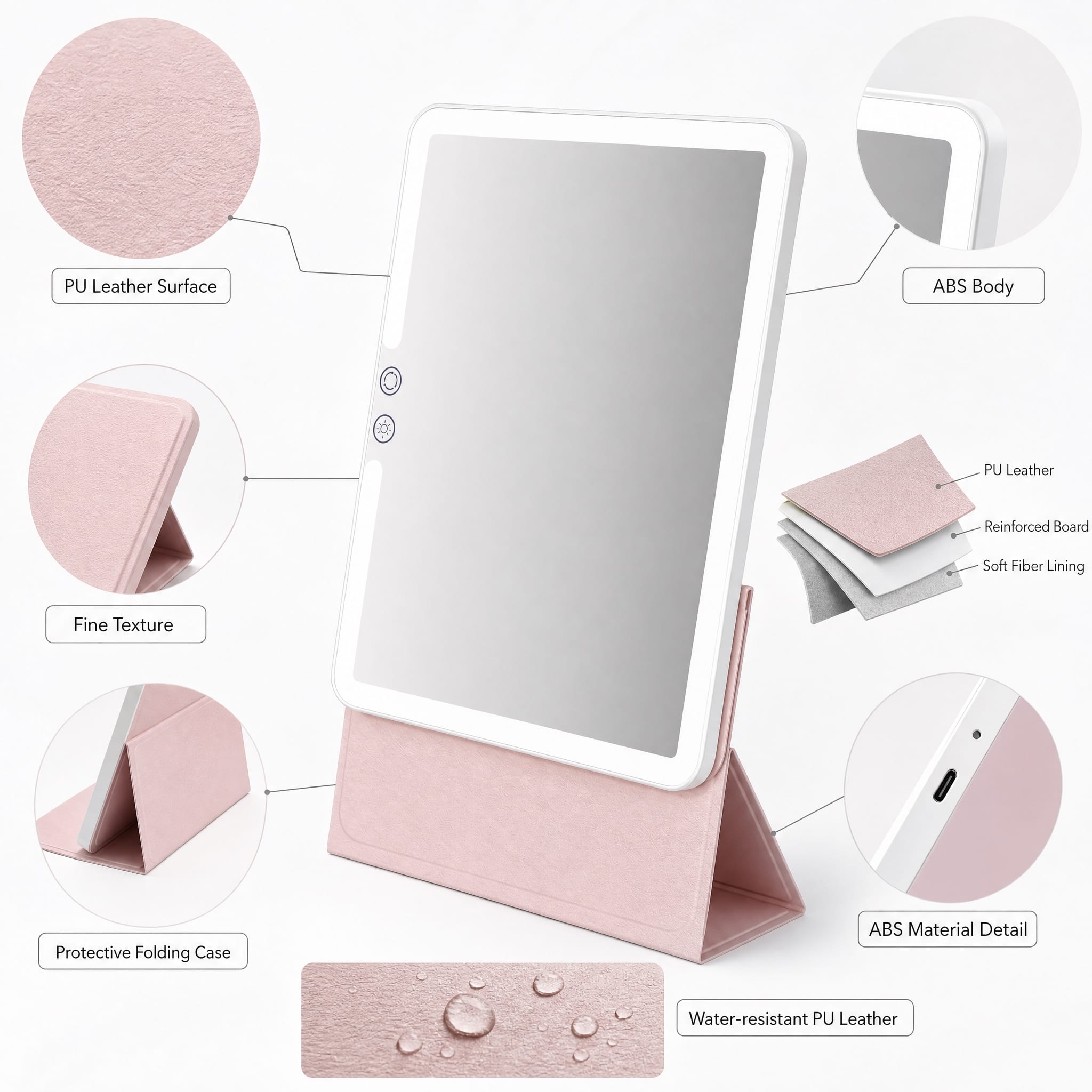
This safety backing acts as an adhesive containment system. If the mirror experiences a severe impact, the vinyl film holds the broken glass shards firmly in place, preventing them from falling and causing injury to occupants below. For projects requiring frameless installations, specifying frameless bathroom mirrors with integrated safety film is essential to pass commercial occupancy inspections.
3. Load-Bearing and Substrate Requirements
Calculating the exact dead load of a mirror installation is critical for selecting the correct fasteners. Standard 6mm glass weighs approximately 15 kg/m² (approx. 3 lbs per square foot). Large-format mirrors can easily exceed 45 kg (100 lbs), requiring secure anchorage into the building’s structural framework rather than relying on drywall alone.
When planning the installation, structural engineers assess the wall substrate:
- Metal Studs: Require heavy-duty self-drilling toggle bolts or wood blocking installed behind the drywall prior to finishing.
- Masonry/Concrete: Requires expansion anchors or concrete screws rated for the total static shear load.
- Drywall (No Studs Available): Strictly prohibited for large commercial installations unless heavy-duty steel toggle bolts are anchored into structural backing.
4. Anti-Vandalism and High-Traffic Mounting Hardware
Commercial installations must deter theft, vandalism, and accidental dislodgement. Traditional residential mounting clips are insufficient for public restrooms. Instead, heavy-duty aluminum Z-bars (cleats) or fully enclosed metal frames are utilized.
A Z-bar mounting system provides continuous horizontal support across the width of the glass, distributing the shear load evenly. To prevent unauthorized removal, installers incorporate locking screws at the bottom of the Z-bar frame or utilize specialized engineering adhesives in conjunction with mechanical fasteners. Many projects opt for a pre-assembled framed bathroom mirror featuring integrated anti-vandalism mounting systems for rapid and secure jobsite installation.
5. Specifying Mirror Systems: Key Engineering Parameters
When sourcing mirrors for large-scale developments, procurement teams must balance structural safety with chemical durability. Restrooms are highly humid environments where cleaning chemicals can degrade mirror backing. Ensuring the mirrors have protective sealants on all cut edges prevents "black edge" or silver spoilage over years of heavy service.
| Parameter | Standard Specification | Engineering Function |
|---|---|---|
| Glass Thickness | 6mm (1/4 inch) Min. | Prevents reflection distortion and enhances flexural strength. |
| Safety Certification | Category II Safety Backing (ANSI Z97.1) | Holds shattered shards together to prevent falling glass injuries. |
| Hardware System | Continuous Aluminum Z-Bar with Locks | Distributes load evenly and deters public theft/vandalism. |
| Edge Protection | Polyurethane or Epoxy Edge Sealer | Prevents oxidation, silver spoilage, and chemical desilverization. |
6. FAQ: Structural and Safety Compliance
Q: What is the minimum glass thickness required for public restroom mirrors?
A: For safety and structural reasons, 6mm (1/4 inch) is the industry standard. Thinner glass is prone to flexing, reflecting distortions, and breaking under minor localized impacts.
Q: How do you calculate the load-bearing requirements for heavy commercial wall mirrors?
A: Calculate the total square area of the mirror, multiply it by the glass density (approx. 15 kg/m² for 6mm glass), and apply a structural safety multiplier of at least 1.5x to account for physical dynamic loads and pull force.
Q: What mounting hardware is rated for high-traffic public bathroom mirror installations?
A: Heavy-duty architectural aluminum Z-bars (cleats) with bottom locking fasteners are recommended. They distribute shear weight evenly along the structural wall studs rather than concentrating pressure on specific points.
Q: Are tempered or laminated mirrors required by building codes in commercial restrooms?
A: While not universally required for all walls, safety-backed annealed glass (Category II) or tempered glass is mandatory in designated hazardous areas, such as mirrors installed close to shower stalls, bathtubs, or heavy entrance doors.
Q: How do you prevent moisture damage and silver spoilage on commercial mirror backings?
A: Specifiers should mandate the application of specialized moisture-resistant backing paints and industrial edge sealants during fabrication to prevent humidity and harsh cleaning chemicals from oxidizing the silver layer.