Nederlands
 Deutsch
 Español
  Français
 Русский
Scaling Style: Choosing Large-Scale Bathroom Mirrors for Hospitality and Commercial Projects
Selecting large-scale mirrors for hospitality and commercial environments requires a shift from aesthetic preference to rigorous engineering standards. This guide outlines the critical technical considerations for sourcing high-performance mirror assemblies that meet safety, durability, and building code requirements in high-traffic settings.
Structural Integrity and Mounting Requirements
Large-format mirrors demand specialized mounting hardware to ensure long-term stability and safety.
Substrate Compatibility and Safety Standards
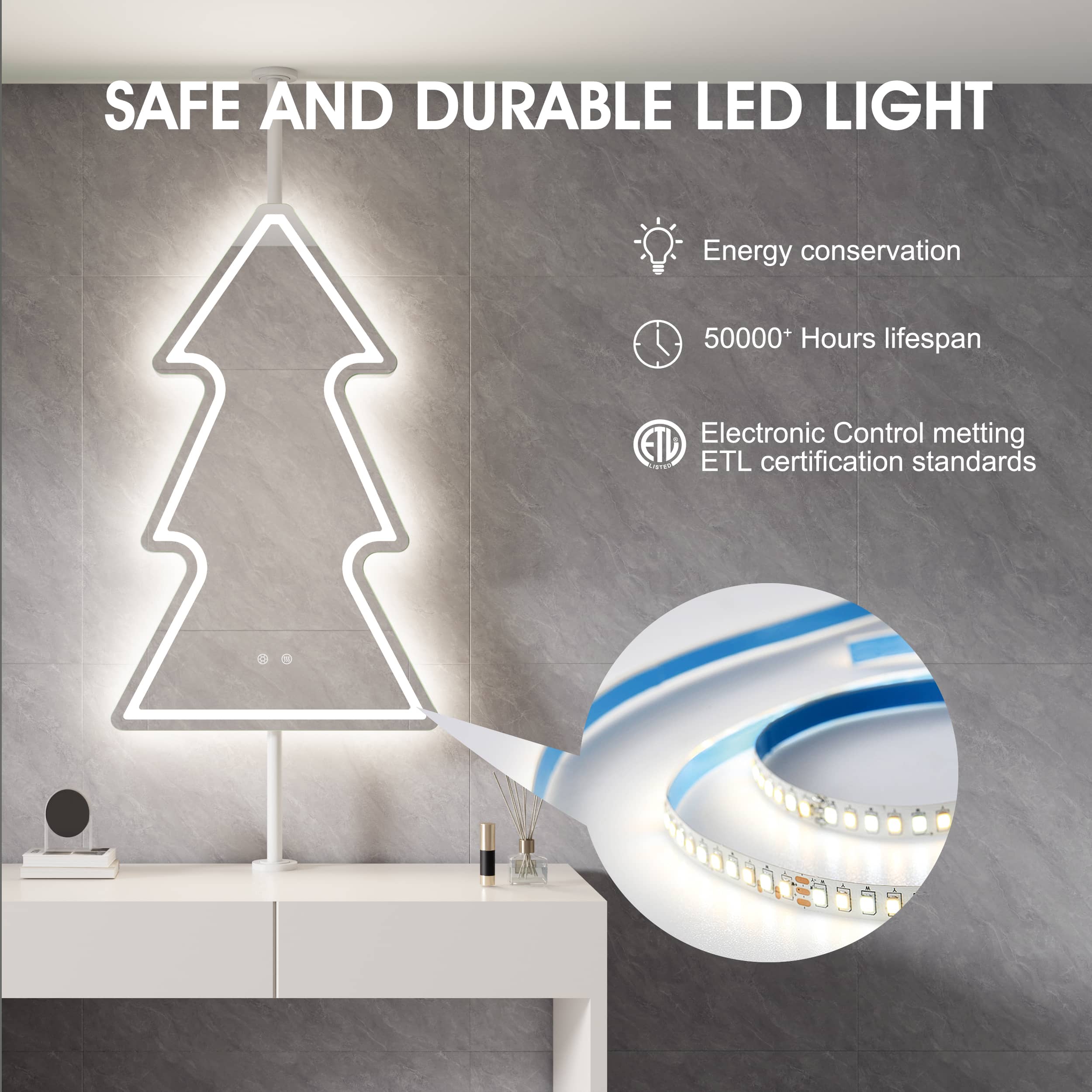
The choice of substrate and glass thickness is paramount for preventing distortion and ensuring shatter resistance. In commercial bathrooms, high-humidity environments necessitate the use of moisture-resistant backing materials to prevent corrosion of the silvering layer. For large-scale installations, specifying tempered or safety-backed glass is often a mandatory requirement under local building codes to mitigate injury risks in public spaces.
Comparison of Mirror Specification Factors
| Feature | Residential Grade | Commercial Grade |
|---|---|---|
| Glass Thickness | 3mm - 4mm | 5mm - 6mm+ |
| Mounting System | Adhesive/Standard Clips | Mechanical/Z-Clip/Heavy Duty |
| Safety Backing | Optional | Mandatory (Shatter-resistant) |
Electrical Integration and Installation Depth
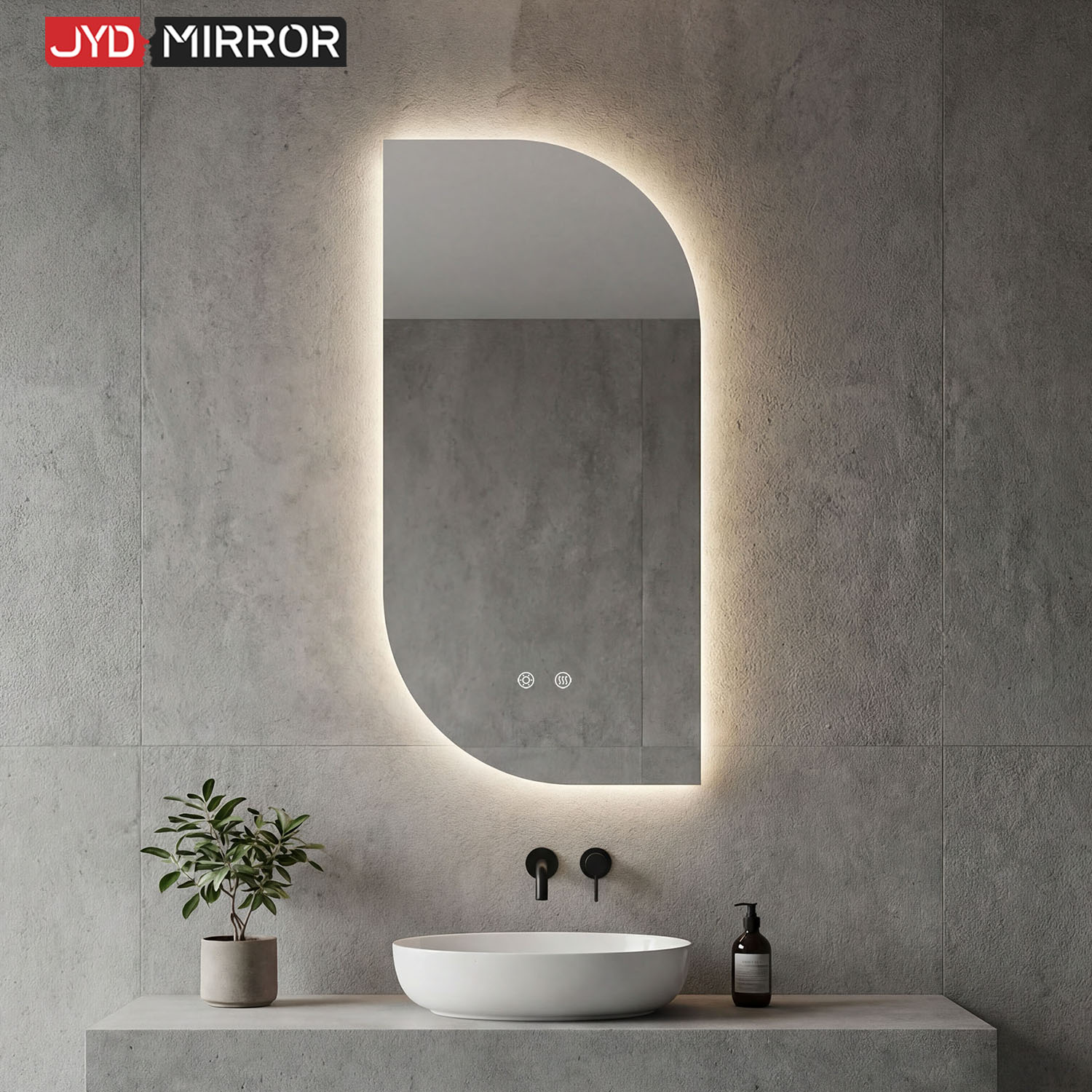
Integrating backlighting or anti-fog technology into large mirrors requires precise planning regarding installation depth.
Logistics and Lead Time Considerations
Large-format mirrors present unique logistical challenges, including specialized crating and freight handling. Procurement teams should engage with manufacturers early to discuss Bathroom Mirror Customization options that allow for modular shipping if necessary. Understanding the lead times for custom edge-finishing and protective packaging is vital to maintaining the project schedule.
Common Pitfalls in Commercial Mirror Specification
A frequent error is failing to account for thermal expansion in large mirrors, which can lead to cracking if the frame-to-glass tolerance is too tight. Additionally, relying on residential-grade adhesives in high-humidity commercial zones often results in premature delamination. Always ensure that the specified mirror assembly is tested for the specific environmental conditions of the hospitality project.
FAQ
Q: What are the structural requirements for mounting large-scale mirrors in high-traffic commercial spaces?
A: Large mirrors require mechanical mounting systems, such as heavy-duty Z-clips or aluminum channels, to ensure they are securely anchored to the wall substrate, preventing accidental detachment.
Q: How do glass thickness and substrate choice impact the safety of oversized bathroom mirrors?
A: Thicker glass (5mm+) provides greater rigidity, while safety-backed films prevent shards from scattering if the mirror is broken, which is a critical safety requirement for public hospitality areas.
Q: What are the standard lead times and logistics considerations for shipping large-format commercial mirrors?
A: Lead times vary based on customization, but typically range from 6 to 12 weeks. Logistics require custom crating to prevent edge damage and vibration-dampening transport methods.
Q: How do anti-fog and integrated lighting technologies affect the installation depth of large mirrors?
A: These features require additional space behind the mirror for power supplies and heat dissipation, often necessitating a recessed wall cavity or a deeper frame profile.
Q: What are the common building code requirements for mirror backing and shatter-resistance in hospitality projects?
A: Most commercial codes require mirrors in public areas to be shatter-resistant or safety-backed to meet life-safety standards, ensuring that the glass does not pose a hazard if impacted.