 Nederlands
 Deutsch
 Español
  Français
 Русский
How to Specify Gold Brushed Aluminum Frames for Luxury Hotel Bathroom Mirrors
Specifying architectural finishes for high-end hospitality environments requires a deep understanding of metallurgy, surface chemistry, and structural engineering. In luxury hotel bathrooms, vanity mirrors are exposed to persistent humidity, chemical cleaning agents, and high-frequency guest contact. This technical guide outlines the exact manufacturing standards, material compositions, and installation requirements needed to specify durable, high-performance gold brushed aluminum frames that maintain their aesthetic integrity over years of commercial use.
1. Specifying the Correct Aluminum Alloy and Temper
The foundation of any high-performance metal frame is the base alloy. For luxury hospitality mirrors, specifiers should reject generic commercial-grade aluminum and mandate architectural-grade 6000-series alloys, specifically 6063-T5 or 6063-T6. These magnesium-silicon formulations provide excellent extrusion precision, tight tolerances, and superior response to chemical etching and anodizing. The T5 or T6 temper designations guarantee the necessary structural rigidity, preventing the frame from warping or bowing under the weight of heavy mirror glass.
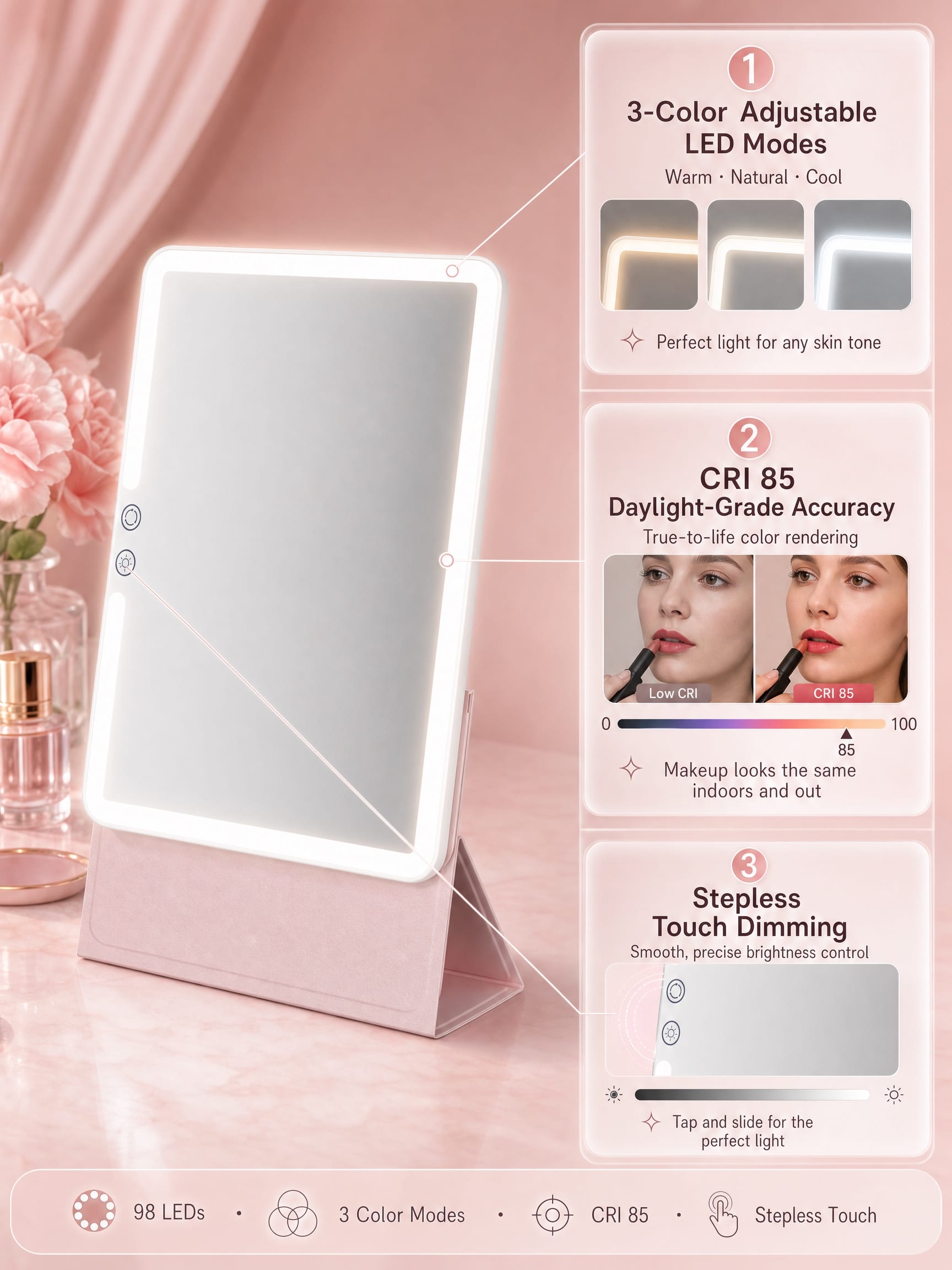
When collaborating with a supplier on a Bathroom Mirror Customization project, the extrusion process must be tightly controlled. The mechanical brushing must be performed uniformly along the longitudinal axis of the profile using a calibrated abrasive wheel. This ensures a consistent grain structure and depth before the chemical finishing stage. Specifying 6063-T5 alloy prevents structural flexing and guarantees that mitered corners remain perfectly flush during assembly and installation.
2. Anodizing Thickness and Seal Quality for High-Humidity Zones
Standard decorative anodizing is insufficient for the high-humidity microclimate of a hotel vanity area. Specifiers must mandate a Class I (minimum 15 microns) or Class II (minimum 10 microns) anodic coating thickness in accordance with AAMA 611 standards. The anodizing process creates a controlled aluminum oxide layer that is integrated with the underlying metal, preventing the blistering or peeling common to liquid paints and physical vapor deposition (PVD) coatings on non-passivated metals.
To ensure the gold organic or inorganic dyes do not fade or discolor over time, the anodized layer must undergo a rigorous sealing process. Specify a hot-water or nickel-acetate sealing test to ensure the porous oxide layer is completely sealed. The seal quality must be verified using the Acid Dissolution Test (ASTM B137) or the ADT (Acid Dissolution Test) method to guarantee zero dye leaching and maximum resistance to salt spray and alkaline bathroom cleaning agents.
3. Comparing Gold Brushed Aluminum with Alternative Finishes
Choosing the right material for a Framed Bathroom Mirror involves balancing aesthetic fidelity, weight, corrosion resistance, and total project cost. The table below compares anodized aluminum against typical alternative materials used in commercial hospitality fit-outs.
| Material & Finish | Corrosion Resistance (Salt Spray) | Color Uniformity & UV Stability | Weight & Handling | Relative Sourcing Cost |
|---|---|---|---|---|
| Gold Brushed Anodized Aluminum (6063-T5, 15μm) | Excellent (Passed 1,000 hrs ASTM B117) | Excellent; inorganic dye resists UV fading | Lightweight; reduces wall load and shipping cost | Moderate (High ROI) |
| PVD Coated 304 Stainless Steel | Excellent (If high-grade PVD is applied) | High; susceptible to fingerprint staining | Very Heavy; requires reinforced wall anchors | High |
| Electroplated Steel | Poor; high risk of rust at micro-cracks | Moderate; prone to tarnishing and oxidation | Heavy; prone to structural sag over time | Low (Short lifespan) |
4. Structural Backing, Moisture Protection, and Corner Tolerances
In high-end architectural submittals, the interior construction of the mirror assembly is just as critical as the exterior finish. A premium Bathroom Mirror requires a multi-layer design to prevent glass desilverization (black edge disease). The back of the glass should be coated with an epoxy-based, lead-free moisture-barrier backing paint, followed by a dense closed-cell EVA foam or PVC backing plate. This prevents condensed bathroom water vapor from pooling behind the glass and corroding the silver reflective layer.
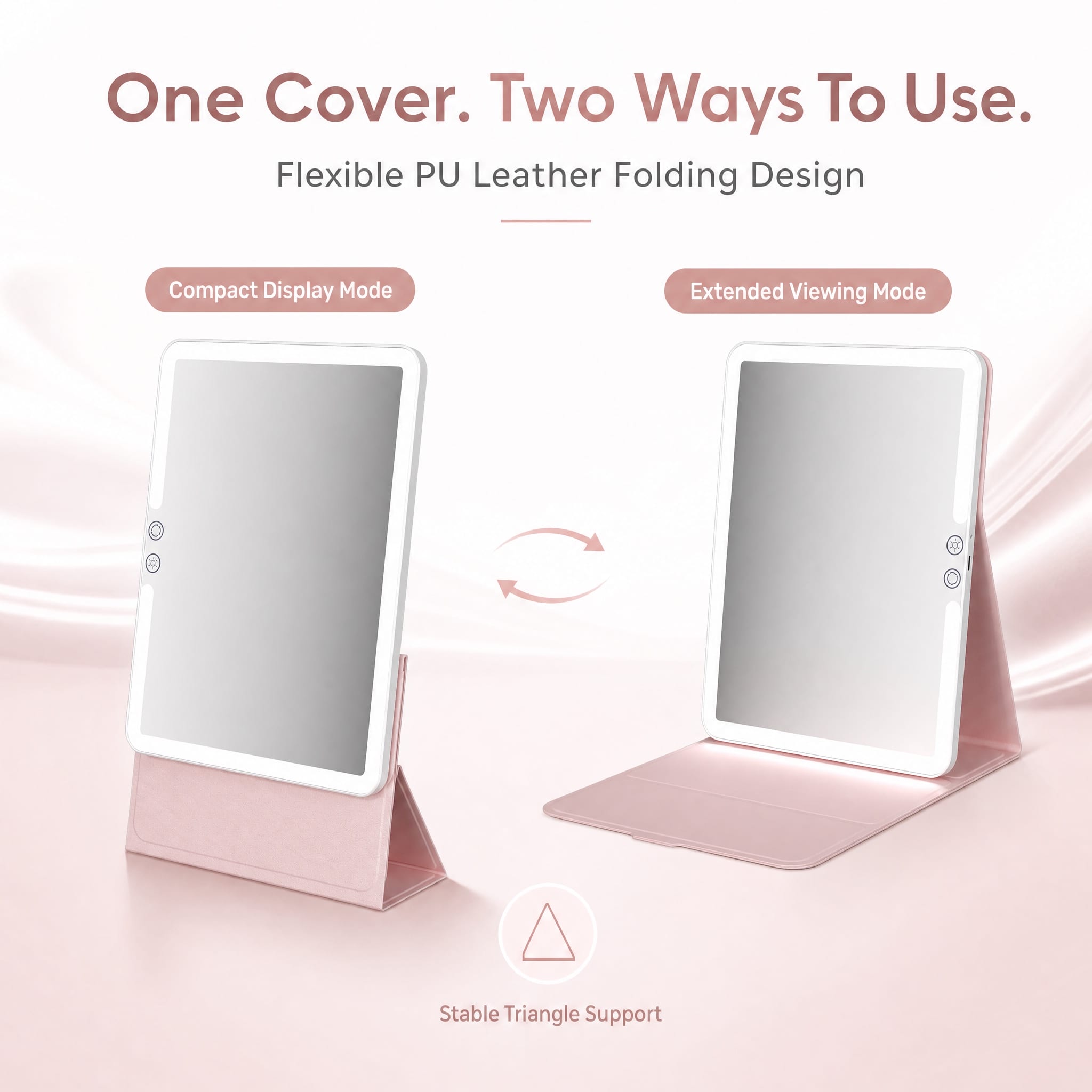
Mitered corners must be engineered with internal corner keys (L-shaped bracket inserts) made of heavy-duty zinc alloy or stainless steel. The specification should mandate a maximum corner gap tolerance of 0.1 mm to ensure seamless joints. This tight seal prevents steam from penetrating the frame profile and attacking the edge of the glass, while maintaining the clean, geometric lines demanded by luxury hotel brands.
5. Mounting Engineering and Anti-Theft Hardware Specifications
Commercial hotel installations require heavy-duty mounting hardware that guarantees safety, easy installation, and anti-theft security. For large-format hospitality mirrors, a structural Z-bar or French cleat mounting system made of extruded 6001-T5 aluminum should be specified. This profile ensures that the weight of the mirror is evenly distributed across multiple wall studs, reducing stress on the drywall or marble tile substrate.
To prevent accidental dislodgement during housekeeping or deliberate theft in public-facing restrooms, the mounting specification must include an integrated locking mechanism. This is typically achieved using a bottom-locking screw system or a spring-loaded security latch that secures the bottom rail of the mirror frame to a secondary wall-mounted bracket, requiring a specialized tool for removal.
Commercial Sourcing and Technical FAQs
Q: What is the recommended anodizing thickness for gold aluminum frames in humid hotel bathrooms?
A: We recommend a minimum Class I anodizing thickness of 15 microns (μm) to ensure long-term resistance to corrosion and moisture penetration in high-humidity vanity areas.
Q: Why should 6063-T5 alloy be specified over standard aluminum alloys?
A: The 6063-T5 alloy offers superior extrusion precision, tighter corner miter tolerances, and an optimal response to brushing and anodizing, preventing the warping and discoloration common in lower-grade alloys.
Q: How does anodized gold aluminum compare to gold PVD-finished stainless steel?
A: Anodized aluminum is significantly lighter, easier to install, and more cost-effective. While PVD stainless steel is highly durable, anodizing chemically bonds the gold finish directly to the aluminum substrate, eliminating the risk of peeling or flaking in wet environments.
Q: How do you prevent mitered corners from separating over time?
A: We specify internal heavy-duty zinc alloy or stainless steel corner keys with a maximum joint tolerance of 0.1 mm, ensuring the mitered corners remain flush and moisture-tight throughout their service life.
Q: What safety features should be specified for large commercial hotel mirrors?
A: Specifiers should mandate CAT-II shatterproof vinyl safety backing on the glass, heavy-duty aluminum Z-cleat mounting rails, and a bottom mechanical locking mechanism to prevent theft or accidental falls.





