Nederlands
 Deutsch
 Español
  Français
 Русский
Technical Requirements for UL/CE Certified Illuminated Mirror Cabinets in Commercial Projects
Specifying illuminated mirror cabinets for high-traffic commercial environments requires a strict understanding of international electrical and structural safety standards. For B2B project managers, engineers, and hospitality developers, navigating the differences between North American (UL) and European (CE) compliance is critical to passing field inspections and ensuring long-term operational safety. Choosing pre-certified, fully integrated assemblies instead of piecemeal component configurations prevents costly project delays and potential liability issues during building sign-offs.
1. The Component vs. Full-Cabinet Certification Gap
A common pitfall in commercial procurement is assuming that because an illuminated cabinet utilizes a UL-listed LED strip or a CE-marked driver, the entire cabinet is certified. In commercial electrical inspections, field inspectors evaluate the entire integrated assembly under unified safety codes.
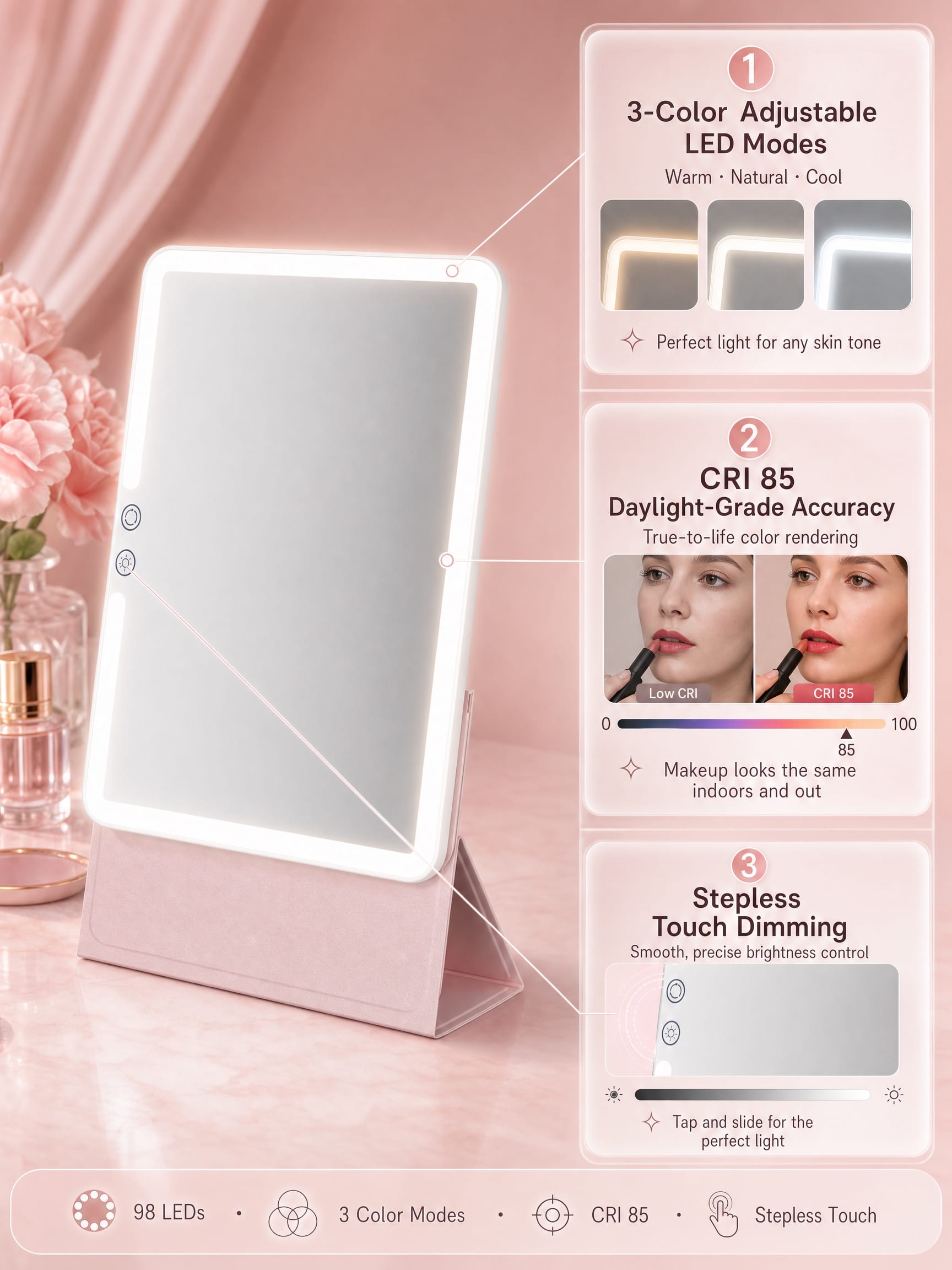
Under UL 962 (the standard for Household and Commercial Furnishings), the complete mirror cabinet system must undergo testing as a single unit. This testing evaluates how individual elements interact under thermal load, moisture exposure, and structural stress. When sourcing custom designs through Bathroom Mirror Customization programs, engineers must ensure the factory provides a certificate of compliance for the complete model assembly rather than individual component spec sheets.
2. Electrical Engineering: UL 962 vs. CE (EN 60598-1) Standards
The electrical architectures required to satisfy North American UL listing and European CE marking diverge significantly in wiring methods, earthing protocols, and driver integration. UL certification requires strict physical isolation barriers between high-voltage incoming lines and low-voltage class 2 DC outputs.
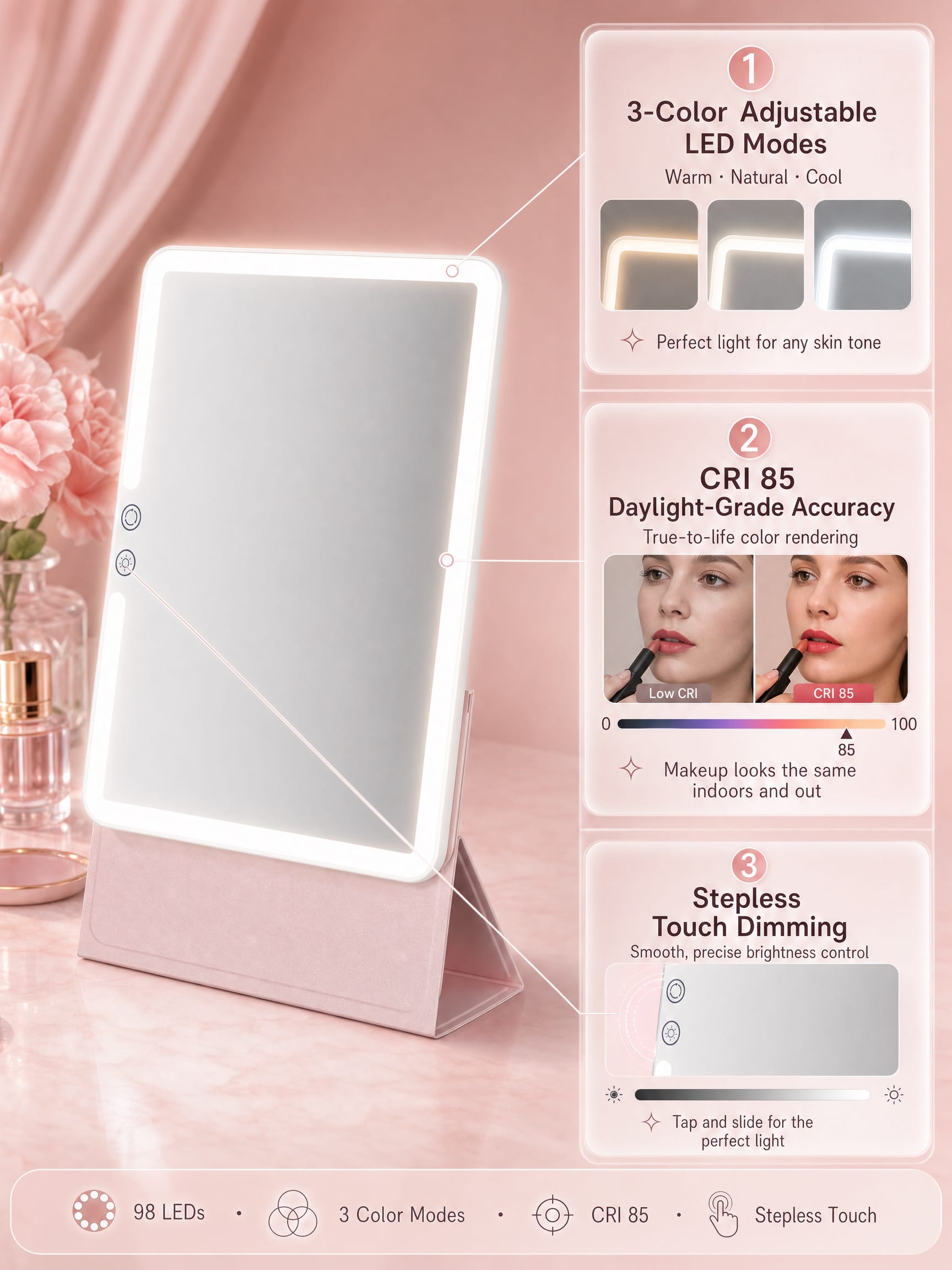
CE compliance, conforming to EN 60598-1 (Luminaires - General requirements and tests), relies on double-insulated components and defined creepage distances. While CE allow for more compact wiring layouts inside the chassis, UL inspectors mandate dedicated, enclosed junction boxes within the cabinet frame. These structural nuances are critical when developing bespoke hospitality designs or pursuing specialized Vanity Mirror Customization configurations for global projects.
| Technical Parameter | UL 962 Compliance (US/Canada) | CE Marking / EN 60598 (Europe) |
|---|---|---|
| Primary Voltage Range | 120V AC, 60Hz | 220V - 240V AC, 50Hz |
| Driver Isolation | Class 2 Power Unit required (UL 1310) | SELV (Safety Extra Low Voltage) equivalent |
| Junction Box Requirement | Mandatory integrated metal junction box | Terminal blocks with double/reinforced insulation |
| Leakage Current Limit | Max 0.5 mA in damp environments | Max 0.75 mA for Class I appliances |
| Grounding Protocols | Green grounding conductor to chassis | Class I (protective earth) or Class II (double insulated) |
3. IP Rating and Wet-Location Leakage Testing
Commercial bathrooms are high-humidity, damp environments that require strict protection against moisture ingress. While European standards rely heavily on the Ingress Protection (IP) rating system—typically requiring IP44 or higher for bathroom Zone 2 areas—North American UL standards categorize environments primarily as Dry, Damp, or Wet Locations.
An illuminated mirror cabinet designed for damp locations must pass a dielectric voltage-withstand test and a wet-location leakage current test. The cabinet frame must possess engineered drainage channels to prevent moisture accumulation near sensitive driver assemblies, ensuring that even under high humidity, no current leaks to the touchable metal housing of the cabinet.
4. Structural Integrity and Load-Bearing Calculations
Beyond electrical safety, commercial-grade wall-mounted mirror cabinets must meet rigorous mechanical and structural guidelines. UL 962 outlines static load-bearing tests where the cabinet structure, hinges, and shelving brackets must support multiple times the rated capacity without showing signs of deflection or structural fatigue.
For heavy glass configurations, such as a premium Vanity Mirror installation, manufacturers must run structural simulations. This ensures the wall mounting brackets, anchoring points, and door hinge cycles are engineered to withstand continuous commercial use. Additionally, mirrors must feature shatterproof backing films to ensure that in the event of physical impact, glass fragments remain adhered to the film rather than causing injury.
5. Verification Checklist for Procurement Teams
When sourcing commercial mirror cabinets, project managers should follow a strict verification protocol to confirm that the supplier's electrical and structural certifications are legitimate and applicable to the destination region.
Always request the full UL File Number or CE Declaration of Conformity (DoC). Verify these credentials on the official UL Product iQ directory. Confirm that the listed manufacturer matches the supplier or their authorized OEM partner. This step prevents project delays, ensures building inspector approval, and guarantees that the products meet the mechanical, electrical, and thermal demands of commercial hospitality and residential developments.
6. Frequently Asked Questions
Q: Can a UL-listed driver be used in a CE-marked mirror cabinet assembly?
A: Yes, but the component must still undergo evaluation within the complete CE system. While the individual driver may have UL or CE component-level markings, the finished cabinet assembly must be tested as a whole to satisfy European Union directives and carry the official CE mark.
Q: What is the primary difference in ground wiring between UL and CE cabinets?
A: UL standards require a dedicated green grounding wire secured to the metal chassis using a ground screw. CE standards permit Class II double-insulated appliances, which do not require a protective earth ground wire if the system possesses reinforced protective insulation.
Q: How do we verify the validity of factory-level UL/CE certifications?
A: Request the UL File Number and search it on the UL Product iQ database. For CE compliance, request the official Declaration of Conformity alongside the corresponding third-party test reports from an accredited laboratory.
Q: Why is individual component certification insufficient for commercial inspections?
A: Inspectors evaluate the thermal interaction, wire routing, and mechanical mounting of the entire cabinet. If the complete unit lacks an integrated UL/CE listing, field inspectors can reject the installation, regardless of individual component certifications.
Q: What structural tests must commercial illuminated cabinets pass?
A: Cabinets must pass static load tests where shelves and mounting brackets carry up to four times their rated load without deformation. Additionally, doors and hinges are subjected to cycle fatigue testing to ensure mechanical longevity in commercial properties.