Nederlands
 Deutsch
 Español
  Français
 Русский
A Technical Guide to Specifying Smart Oval Mirrors for Commercial Projects
The integration of smart technology into commercial spaces is rapidly accelerating, with hospitality and high-end residential sectors leading the charge. Smart oval mirrors are no longer just a design element; they are functional hubs that enhance guest experience and provide operational efficiencies. For architects, designers, and procurement managers, specifying the right product goes beyond aesthetics. This guide focuses on the critical technical considerations for large-scale deployment, including system integration, commercial-grade durability, and long-term value.
Key Integration Capabilities: API and PMS Connectivity
The primary differentiator for a commercial smart mirror is its ability to integrate seamlessly with existing building management systems (BMS) or property management systems (PMS). Unlike consumer-grade models, which operate as standalone devices, commercial units must function as part of a larger, centrally managed ecosystem. Look for manufacturers that provide a robust Application Programming Interface (API) for custom development and integration. This allows for features like personalized welcome messages for hotel guests, room service ordering, and control of in-room lighting or climate, all managed through the PMS. Data security is paramount; ensure the system architecture includes enterprise-grade encryption and secure protocols for all data transmission.
Commercial-Grade Durability and Maintenance
High-traffic environments like hotel bathrooms and public restrooms demand components built for longevity and resilience. A commercial-grade Ai Smart Mirror must feature moisture-resistant electronics (IP44 rating or higher), shatter-proof or tempered glass, and anti-fog technology that is engineered for thousands of cycles. The manufacturing process should prioritize sealed internal components to protect against humidity and cleaning agents.
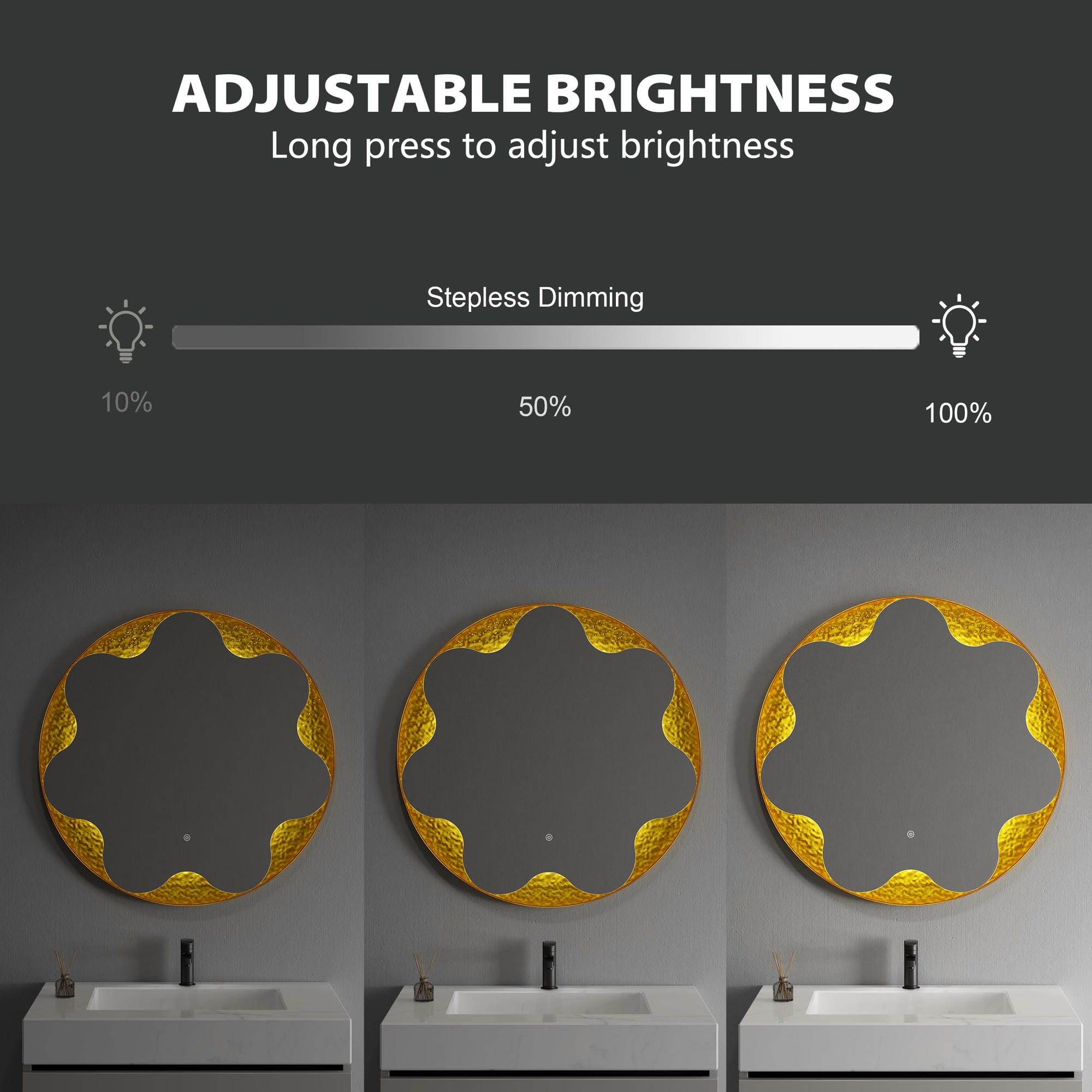
Maintenance should be designed for facility staff, not IT specialists. Look for models with modular components that can be easily swapped out, and a system that allows for remote diagnostics and software updates. This minimizes downtime and reduces the total cost of ownership over the mirror's lifecycle.
Electrical and Mounting Specifications for Scaled Deployment
Specifying smart mirrors for a multi-unit project requires careful attention to electrical, data, and mounting requirements. Power supplies should be standardized, typically hardwired to a dedicated circuit, with options for both low-voltage (DC) and standard (AC) connections depending on local codes and building design. Data connectivity is equally critical; while Wi-Fi is common, a wired Ethernet (PoE - Power over Ethernet) option provides superior reliability and security for commercial applications.
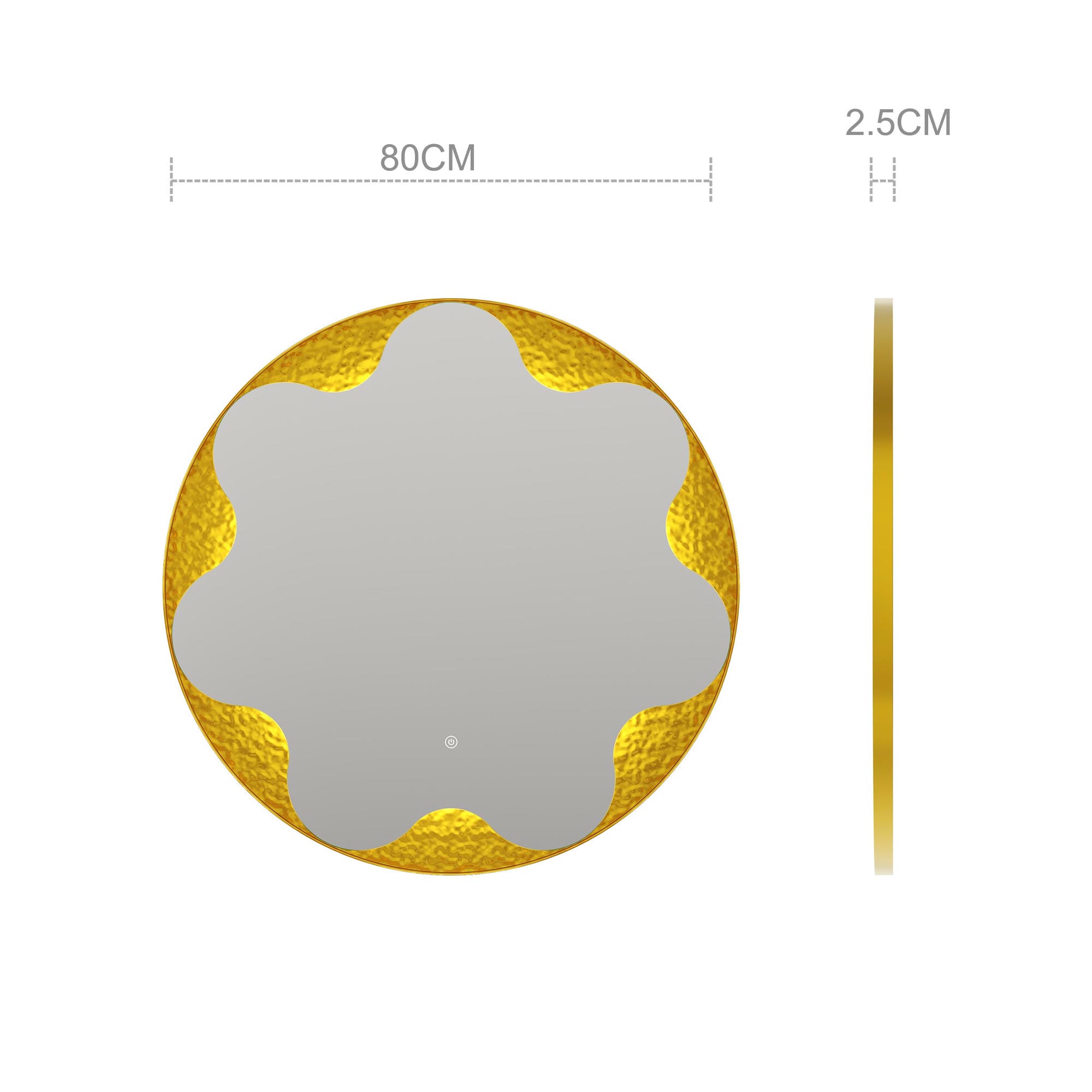
Mounting hardware must be robust and compatible with standard commercial wall structures, such as reinforced drywall or tile over backer board. Detailed schematics and installation guides from the manufacturer are essential for ensuring a smooth and scalable deployment process across hundreds of rooms. Ensure the mounting system provides adequate ventilation for the electronic components to prevent overheating.
Evaluating Total Cost of Ownership (TCO) vs. ROI
While the initial procurement cost of a commercial smart mirror is higher than a consumer model, the TCO is often lower when considering its entire lifecycle in a commercial setting. The return on investment (ROI) is calculated not just through direct revenue, but also through enhanced guest experience, improved brand perception, and operational efficiencies. For example, integrating service requests through the mirror can reduce call volume to the front desk. The durability of commercial-grade components also means fewer replacements and lower maintenance costs over time. When evaluating suppliers, request case studies and data on long-term performance and support.
| Feature | Consumer-Grade Smart Mirror | Commercial-Grade Smart Mirror |
|---|---|---|
| System Integration | Standalone operation, limited to pre-installed apps. | Full API access for PMS/BMS integration. |
| Durability | Standard glass, basic moisture protection. | Shatter-proof glass, IP44+ rating, sealed electronics. |
| Data Connectivity | Wi-Fi only. | Wi-Fi and secure wired Ethernet (PoE) options. |
| Power Supply | Standard wall plug. | Hardwired professional installation (AC/DC). |