Nederlands
 Deutsch
 Español
  Français
 Русский
Architectural Specification Guide: Incorporating Illuminated Hollywood Mirrors into Public Vanity Spaces
Integrating professional-grade illumination into public commercial restrooms, luxury hospitality lounges, and high-traffic retail changing rooms requires a deep understanding of architectural standards, electrical safety, and material durability. This specification guide provides architects, MEP engineers, and commercial interior designers with the technical benchmarks necessary to select and install high-performance illuminated mirrors. By addressing critical factors such as code compliance, moisture ingress, and optical engineering, specifiers can ensure long-term performance and reduced maintenance cycles.
1. ADA Compliance and Structural Mounting Heights
When specifying a Large Hollywood Mirror for public vanity spaces, strict adherence to the Americans with Disabilities Act (ADA) Standards for Accessible Design is mandatory. According to ADA Section 603.3, mirrors located above lavatories or countertops must be installed with the bottom edge of the reflecting surface no higher than 40 inches (1015 mm) above the finished floor. For mirrors not located over lavatories, the bottom edge of the reflecting surface must be a maximum of 35 inches (890 mm) above the finished floor.
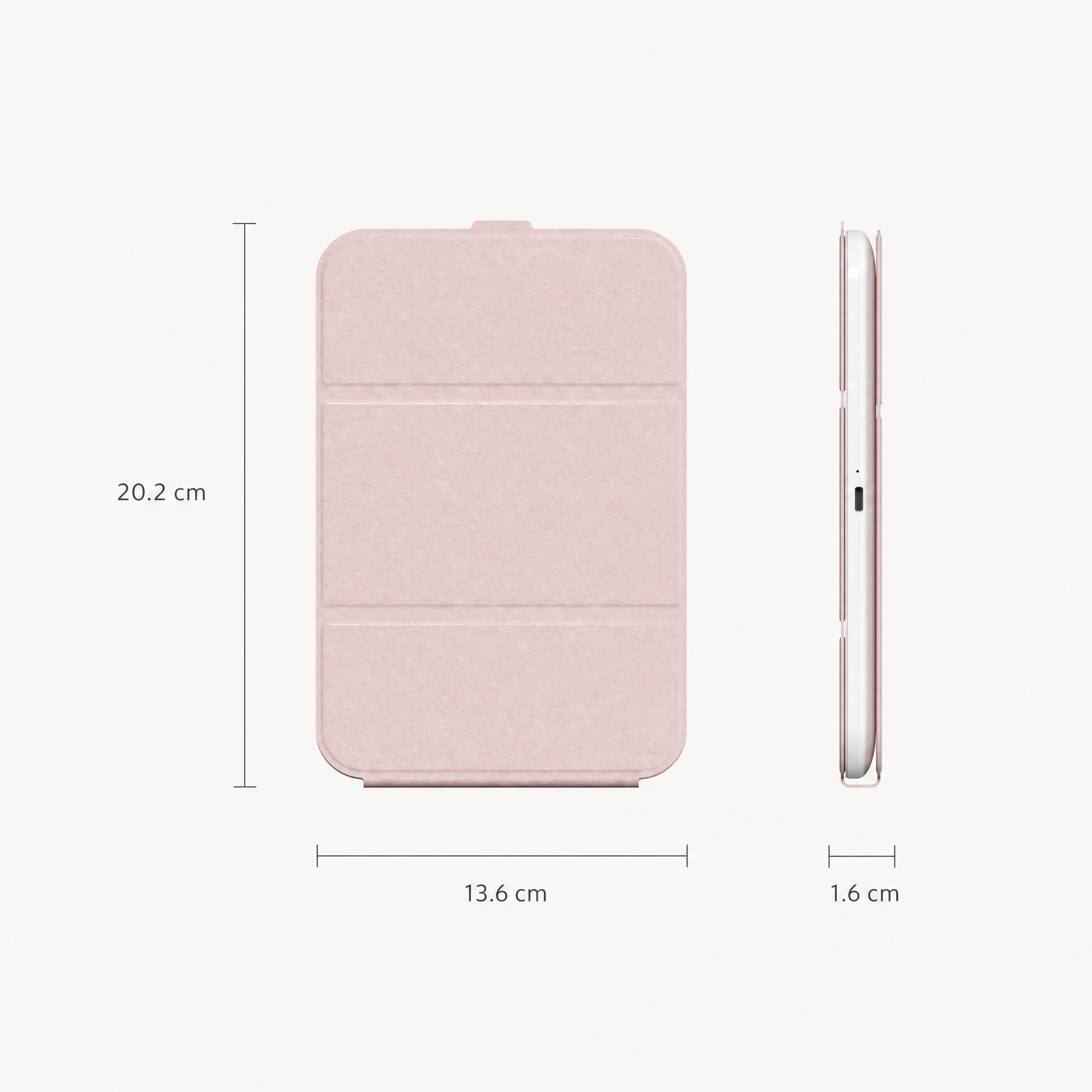
Furthermore, ADA Section 4.4 dictates that protruding objects must not extend more than 4 inches (100 mm) horizontally into circulation paths if the leading edge is between 27 inches (685 mm) and 80 inches (2030 mm) above the finished floor. Because a traditional Hollywood Mirror configuration with external light bulbs can exceed this depth, specifiers must leverage custom CNC-machined recessed aluminum mounting brackets or integrated low-profile LED frames. On our B2B production line, we structurally engineer recessed back-housings that allow the glass face to sit flush or within a 3.5-inch maximum projection, fully satisfying ADA accessibility guidelines while maintaining the classic perimeter-lighting aesthetic.
2. Electrical Architecture and Centralized Driver Placement
Multi-mirror public vanity installations demand robust electrical engineering to handle continuous operation and facilitate simplified maintenance. In commercial facilities, the standard practice of placing localized drivers inside individual junction boxes behind each mirror can lead to extreme maintenance challenges. If a driver fails, technicians must remove the entire mirror assembly, risking glass breakage and disrupting public facility operations.
For optimal reliability, we recommend specifying a centralized class 2 power supply system located in a dedicated electrical closet or accessible ceiling plenum, utilizing 24V DC low-voltage distribution to individual mirrors. If localized junction boxes are required, they must comply with UL 2108 (Low Voltage Lighting Systems) standards. Our custom commercial units utilize industrial-grade Mean Well drivers featuring dimming protocols like 0-10V or DALI, allowing facilities to program energy-saving night modes or integrate the mirrors directly into building automation systems (BAS).
3. IP Ratings and Moisture Resistance Near Wet Zones
Public hand-washing stations represent high-moisture environments prone to direct splashing and localized condensation. Specifying the incorrect Ingress Protection (IP) rating leads to rapid silvering degradation and driver failures. While a standard interior decorative mirror may carry an IP20 rating, commercial vanity mirrors installed within Zone 2 wet areas (within 0.6 meters of a basin or water outlet) must carry a minimum of an IP44 rating, providing protection against solid objects larger than 1.0mm and water splashing from any direction.
Our standard quality control protocol includes rigorous 48-hour neutral salt spray testing (ASTM B117) to verify that our premium 5mm copper-free silver glass resists edge corrosion. Additionally, high-traffic installations benefit from an upgrade to IP54-rated enclosures, which completely seal the rear electronics against fine dust and moisture, ensuring the LED driver’s thermal management system remains clean and operational over its L70 lifetime rating of 50,000 hours.
4. Optical Engineering: CRI, R9, and Color Temperature
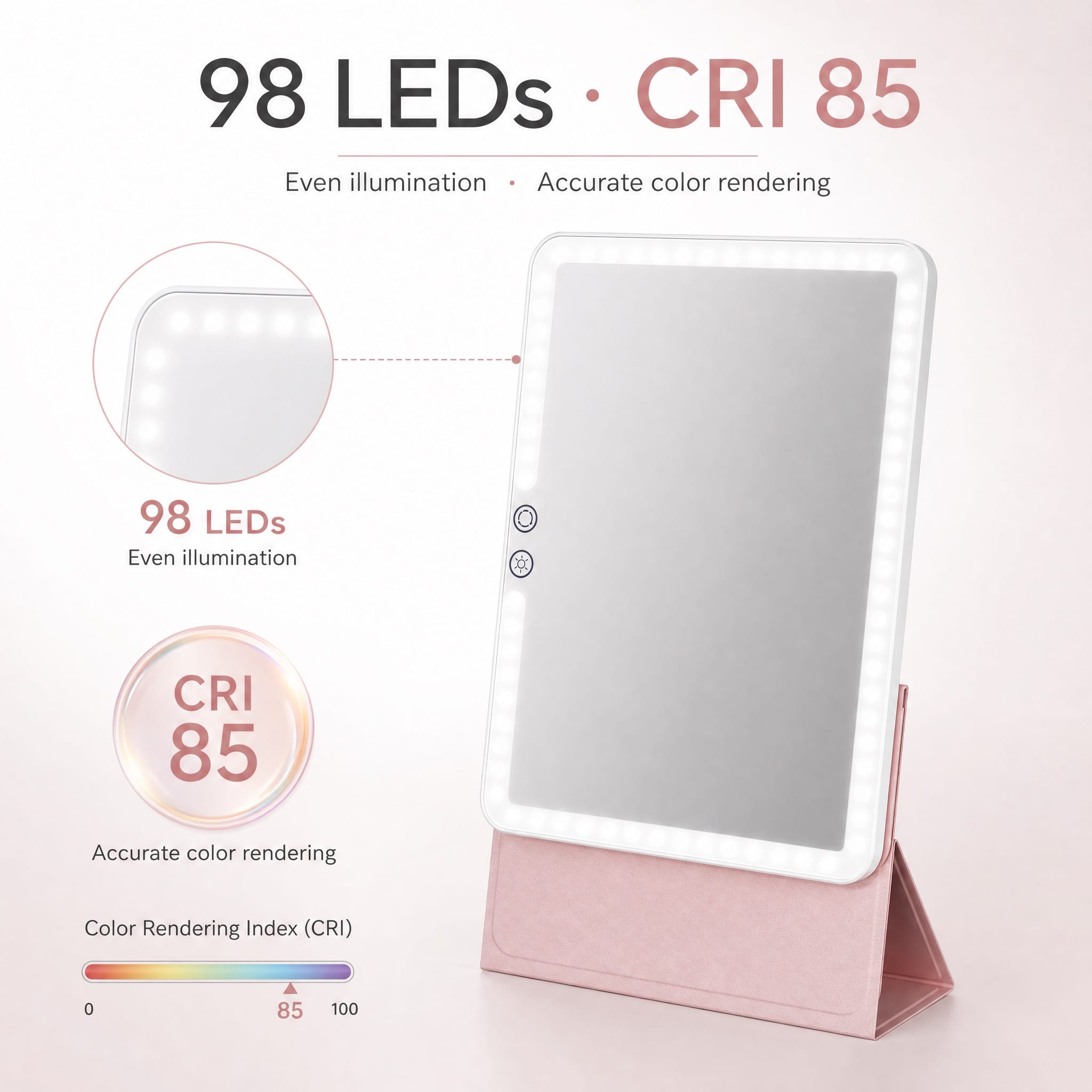
High-end public vanity spaces, such as hospitality restrooms and professional dressing rooms, require precise spectral power distribution. Standard residential lighting often compromises skin tone representation, but our professional Hollywood Mirror Customization program guarantees a Color Rendering Index (CRI/Ra) of ≥95, with a specific focus on the R9 red value (≥80) and R15 skin-tone value. This ensures that makeup application and personal grooming are rendered accurately under neutral conditions.
We recommend specifying a selectable or tunable color temperature ranging from 3000K (warm hospitality ambiance) to 4000K (natural daylight simulation) to 6000K (cool task lighting). The LEDs should be specified with a tight MacAdam Ellipse (3-step SDCM) consistency to prevent color shifting between adjacent mirrors in multi-basin vanity run configurations.
5. Impact Resistance, Glass Safety, and Structural Integrity
In public commercial environments, physical impact resistance is critical for safety and liability. Standard annealed glass is highly dangerous upon impact as it shatters into large, sharp shards. Therefore, commercial specifications must dictate the use of safety-backed or tempered glass. Our commercial-grade Vanity Mirror models utilize 5mm high-durability glass paired with a heavy-duty vinyl safety backing (Category II) that holds all glass fragments intact in the event of severe impact.
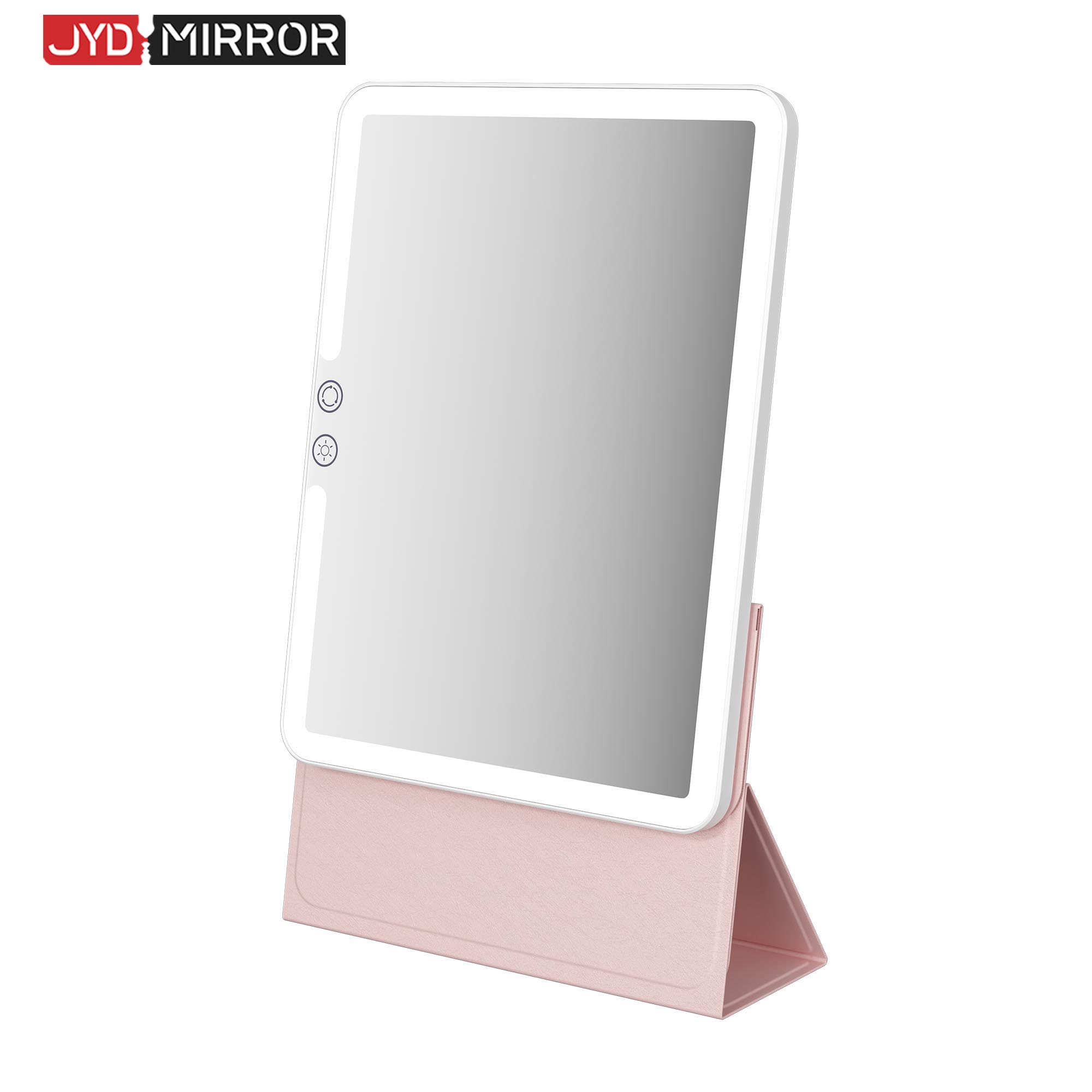
For premium projects, we conduct impact testing matching IK08 standards to ensure the product survives high-velocity impacts without structural failure. The housing itself consists of a high-tensile, powder-coated aluminum alloy frame, resisting torsional twisting during installation and handling the stresses of commercial cleaning protocols.
Comparison: Integrated LED vs. Traditional Bulb-Based Commercial Mirrors
To assist in the procurement process, the table below compares the performance, durability, and compliance characteristics of modern integrated LED mirrors against traditional bulb-based Hollywood designs.
| Specification Metric | Integrated LED Systems | Traditional Bulb-Based Systems |
|---|---|---|
| Profile Depth / ADA Compliance | Slim profiles (typically 25-45mm); easily meets 4-inch max protrusion limit. | Bulb protrusion often exceeds 100mm; requires recessing or specialized layouts. |
| Ingress Protection (IP Rating) | Up to IP54; completely sealed rear housing protects components. | Typically IP20; socket openings are susceptible to moisture ingress. |
| Vandal & Theft Resistance | High; no exposed parts, bulbs, or removable components for users to damage. | Low; external bulbs can be unscrewed, stolen, or broken in public areas. |
| Maintenance & Lifespan | L70 >50,000 hours; zero routine maintenance required for years of operation. | Requires frequent individual bulb replacement; higher facility labor costs. |
| Optical Consistency | Strict 3-step MacAdam Ellipse ensures identical CCT across multi-installations. | Vulnerable to color shifts if replacement bulbs from different batches are used. |
Frequently Asked Questions (FAQ)
Q: How do ADA compliance mounting heights change for illuminated mirrors in commercial restrooms?
A: The mounting height itself does not change; the bottom of the reflective surface must remain at a maximum of 40 inches (1015 mm) above the floor over a basin. However, the projection of the lighting element must not exceed 4 inches (100 mm) into walkways to comply with ADA Section 4.4 regarding protruding objects, necessitating a low-profile chassis design.
Q: What are the electrical load and hardwiring requirements for multi-mirror public vanity installations?
A: Multi-mirror systems are typically configured using dedicated 120-277V AC inputs stepped down via class 2 low-voltage transformers to 24V DC. Specifiers should calculate total wattage (typically 12-24W per linear meter of high-density LED strip) to ensure the circuit breakers and remote driver arrays are scaled with a 20% safety headroom margin.
Q: Which IP rating is required for illuminated mirrors installed near public hand-washing stations?
A: A minimum of an IP44 rating is required for any commercial mirror installed within splashing range of a sink. For high-humidity public spaces or coastal locations, specifying an IP54 rating ensures the housing is dust-tight and resistant to splashing water from all angles, protecting the internal copper-free silver glass.
Q: How does CRI and color temperature selection impact public vanity lighting design?
A: A high CRI (Ra ≥95, R9 ≥80) is essential for accurate skin tone rendering. Selecting tunable white technology (3000K to 6000K) allows the mirror lighting to adapt to the surrounding environment, ensuring that users see an accurate reflection matching real-world conditions.
Q: What impact resistance and glass-shatter standards apply to commercial vanity mirrors?
A: Commercial installations require glass with Category II vinyl safety backing or tempered glass that complies with CPSC 16 CFR 1201 standards. This ensures that if the mirror is subjected to severe physical impact, the glass cracks without shedding dangerous shards, preventing liability and injury in public spaces.