 Nederlands
 Deutsch
 Español
  Français
 Русский
B2B Procurement: Evaluating Battery Life and LED Efficiency in Cordless Commercial Mirrors
For high-end hospitality and commercial properties, cordless illuminated mirrors offer unmatched design flexibility and clean aesthetics. However, procurement officers often struggle to balance visual quality with the total cost of ownership (TCO) associated with battery maintenance. Selecting the right fixtures requires an engineering-focused evaluation of battery chemistry, LED driver efficiency, and structural resistance to hospitality cleaning protocols.
1. The Engineering Trade-off: Luminous Efficacy vs. Color Rendering Index
In commercial lighting, achieving a high Color Rendering Index (CRI > 90) is essential for realistic color representation during makeup application. However, higher CRI values naturally reduce the luminous efficacy (lumens per watt) of the integrated LED array because more energy is absorbed by the phosphor coating. When sourcing a professional Makeup Mirror for guest rooms, engineers must look for advanced LED driver circuits that optimize power delivery, ensuring high color accuracy without causing rapid battery drain.
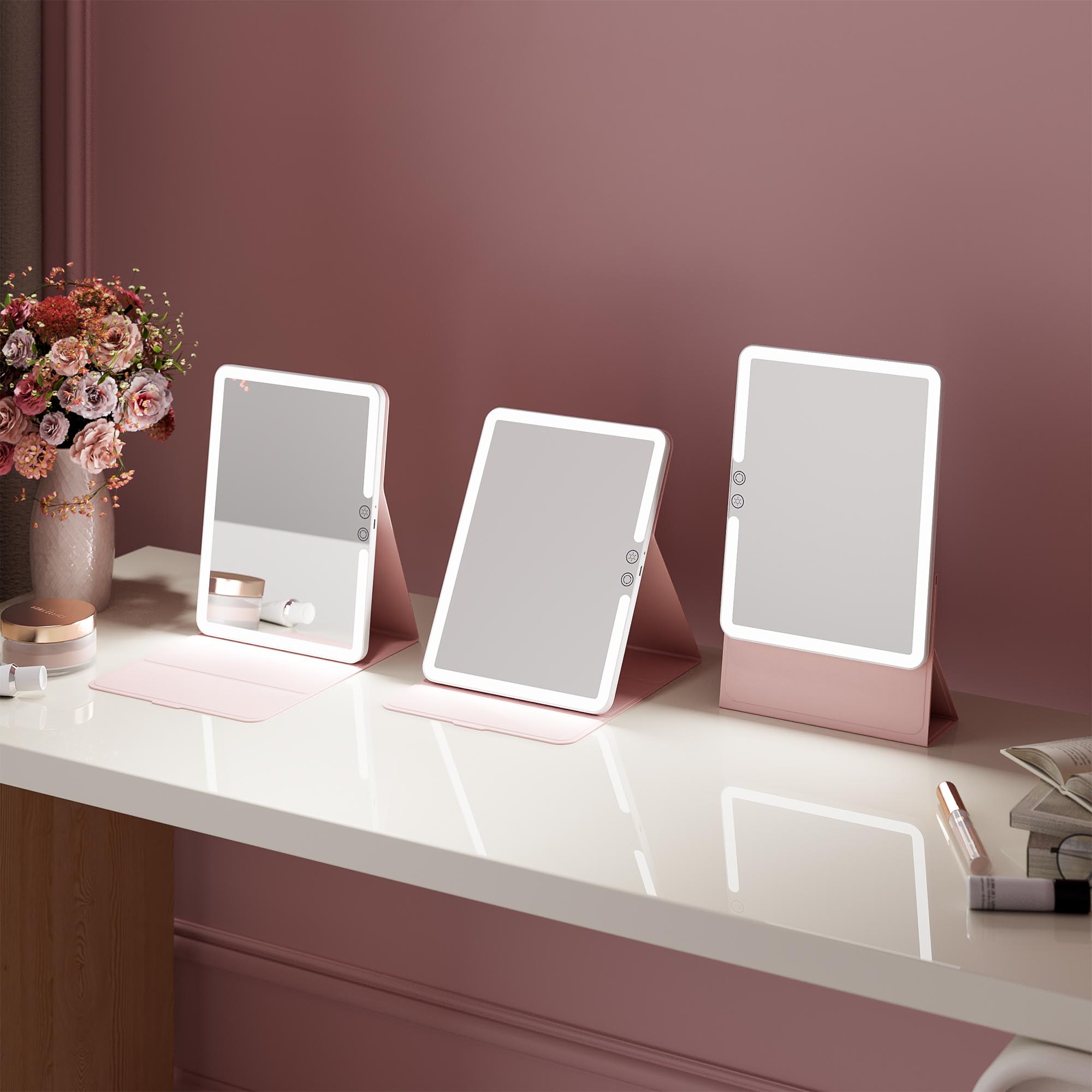
The efficacy of the LED driver itself plays a massive role in runtime calculations. Standard commercial configurations should achieve at least 90 to 110 lumens per watt at the LED board level. Lower-tier drivers suffer from thermal losses, converting valuable battery power into heat rather than light, which accelerates the degradation of internal electronic components.
2. Battery Chemistry and Charging Cycle Life in High-Use Environments
The duty cycle of a cordless hotel mirror differs significantly from consumer electronics. Commercial fixtures face frequent charge-discharge cycles and prolonged standby periods. Most professional manufacturers utilize Lithium-ion (Li-ion) or Lithium Iron Phosphate (LiFePO4) chemistries, each offering distinct advantages in terms of energy density, safety profiles, and capacity retention rates over time.
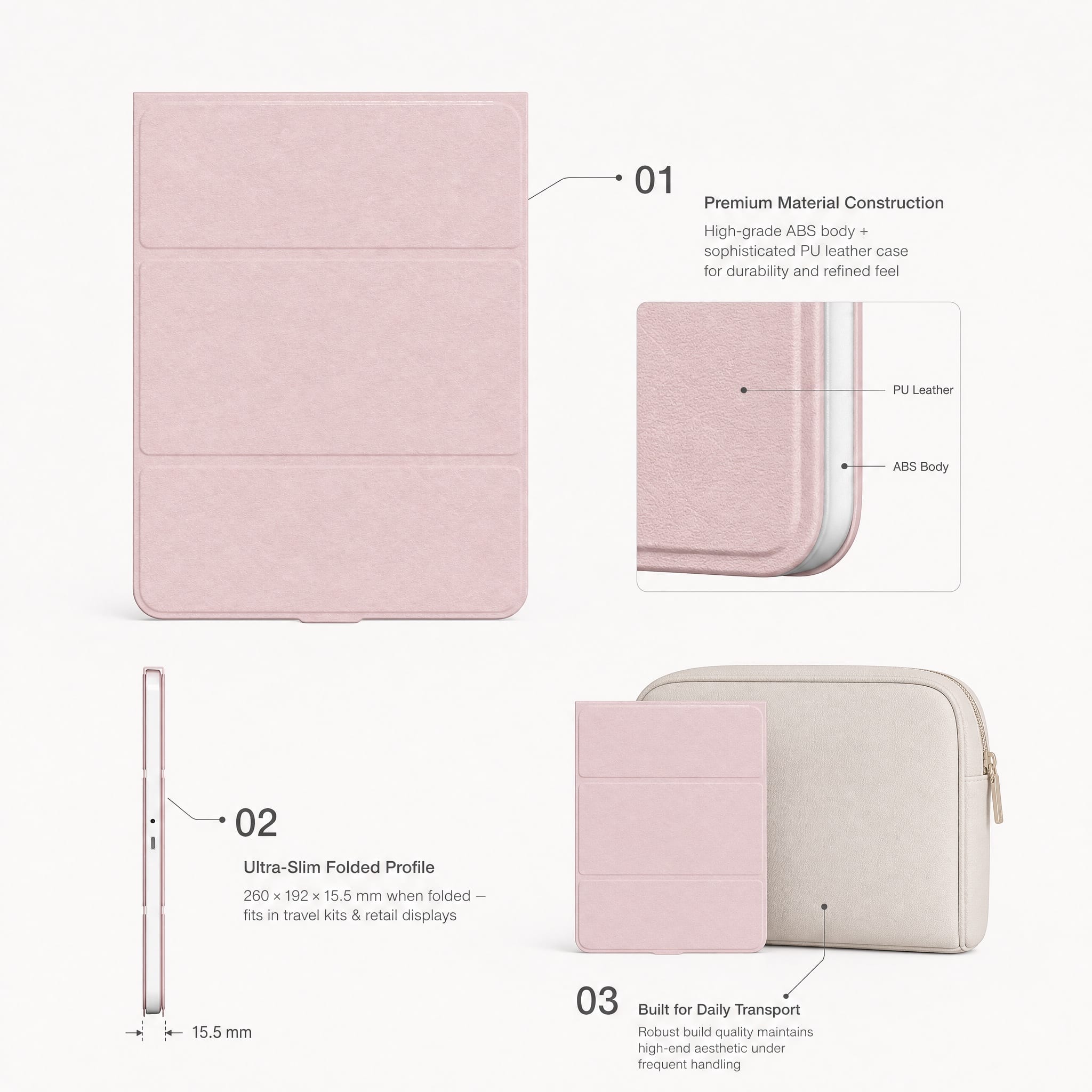
While Li-ion provides a compact footprint ideal for a sleek Travel Mirror or thin-beveled vanity fixture, LiFePO4 chemistry stands out for long-term installations due to its exceptional thermal stability and ability to sustain over 2,000 charge cycles before dropping to 80% of its initial capacity. Standard Li-ion cells typically support 300 to 500 cycles under comparable commercial loads.
3. Standby Power Consumption and Real-World Duty Cycles
A critical gap in many procurement evaluations is the standby power draw, or





