Nederlands
 Deutsch
 Español
  Français
 Русский
Wholesale LED Mirrors UK: Balancing Import Tariffs, Certifications, and Profit Margins
For UK commercial buyers and distributors, sourcing illuminated bathroom fixtures from overseas manufacturers requires a meticulous understanding of the total landed cost. Balancing competitive factory pricing against complex regulatory compliance, shipping logistics, and customs duties is critical to maintaining a healthy bottom line. This guide provides procurement officers with a rigorous framework to audit overseas suppliers, calculate real-world importing costs, and protect their domestic profit margins.
1. Navigating UK Tariffs and Commodity Codes (HS Codes)
Accurate tariff classification is the first line of defense against unexpected customs costs when importing wholesale commercial mirrors. Under the UK Global Tariff system, illuminated mirrors with electrical components are generally classified under specific Harmonized System (HS) codes rather than basic glass categories. Misclassifying these products can lead to customs delays, back-payments, or fines.
Importing smart illuminated fixtures typically incurs a standard third-country duty rate. For example, mirrors with LED components and integrated demister pads are assessed differently from standard glass products. Sourcing partners should also monitor any anti-dumping duties or trade remedy measures applied to specific manufacturing regions, which can instantly erode margins if not calculated beforehand. Working with a customs broker who understands electrical homeware classification ensures correct duty assessment at the UK border.
2. Electrical Safety Certifications and UK Compliance
Compliance is non-negotiable when selling electrical goods in the UK market. Since the transition from the CE mark, the UKCA (UK Conformity Assessed) marking is mandatory for goods placed on the market in Great Britain.
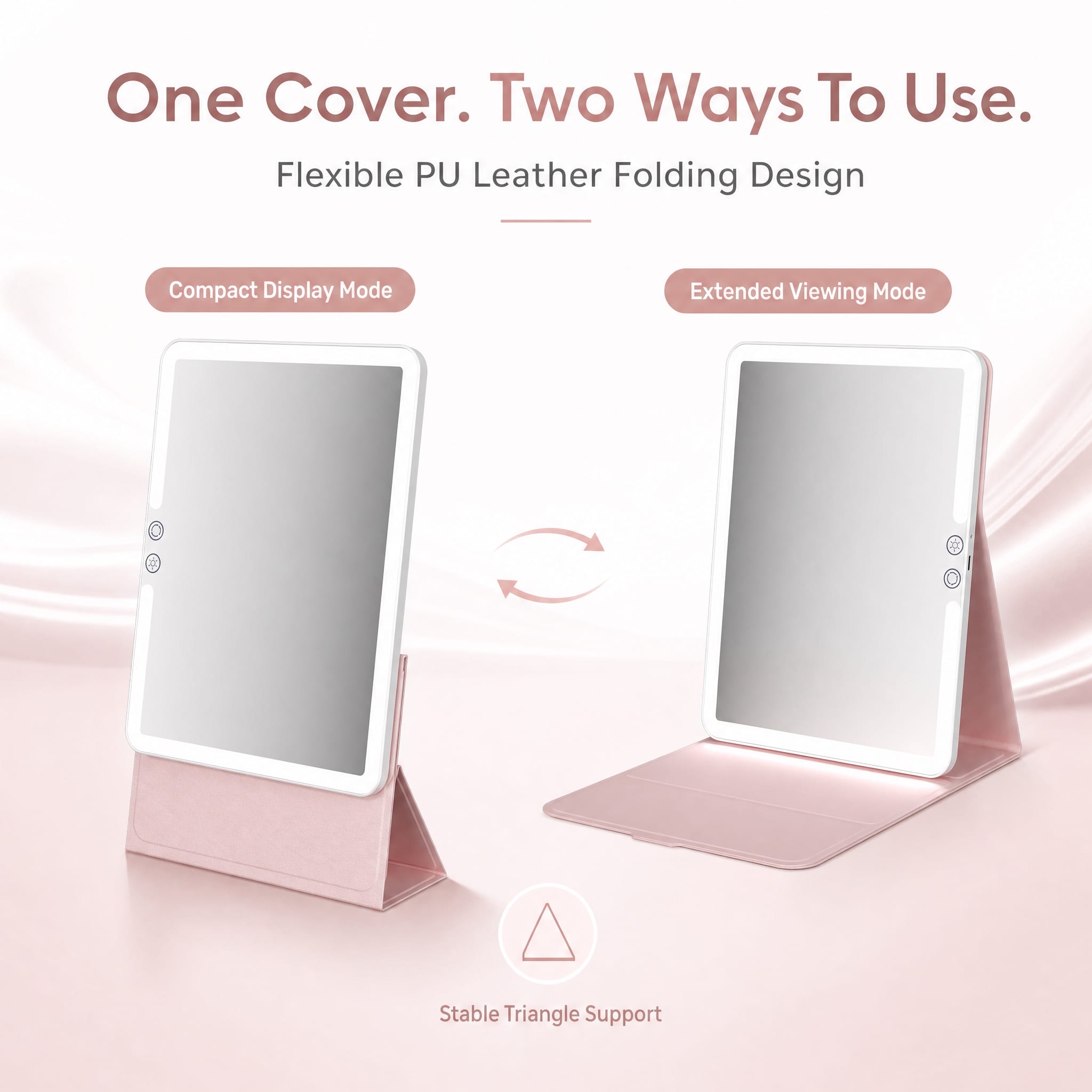
To legally sell wholesale LED mirrors, distributors must secure a technical file from the manufacturer demonstrating compliance with the Electrical Equipment (Safety) Regulations and the Electromagnetic Compatibility Regulations. Buyers should request valid test reports from accredited third-party laboratories (such as SGS, Intertek, or TUV) showing testing to British Standards (BS EN). This includes verifying low-voltage directives, LED driver quality, and localized bathroom mirror customization standards to prevent safety hazards and liability claims.
3. IP Ratings and Wet-Zone Classifications
The physical placement of an illuminated mirror within a commercial or residential bathroom dictates its required Ingress Protection (IP) rating. British Standards (specifically BS 7671 wiring regulations) outline bathroom zones that demand different levels of protection against moisture and dust ingress.
Most commercial installations require at least an IP44 rating for Zone 2 placement, which ensures protection against splashing water from any direction. Obtaining IP44 certification involves specialized physical testing of the mirror enclosure, gaskets, and silicone seals. These specialized testing procedures and premium waterproof materials increase the raw manufacturing cost. However, offering certified IP44 fixtures allows distributors to target high-end commercial projects, justifying a premium wholesale price point.
4. Landed Cost Calculation and Sourcing Overhead
To evaluate the true profitability of overseas sourcing, B2B buyers must look beyond the Ex-Works (EXW) or Free on Board (FOB) price. The total landed cost includes manufacturing costs, international freight, local port handling, UK customs duties, and domestic transport to the warehouse.
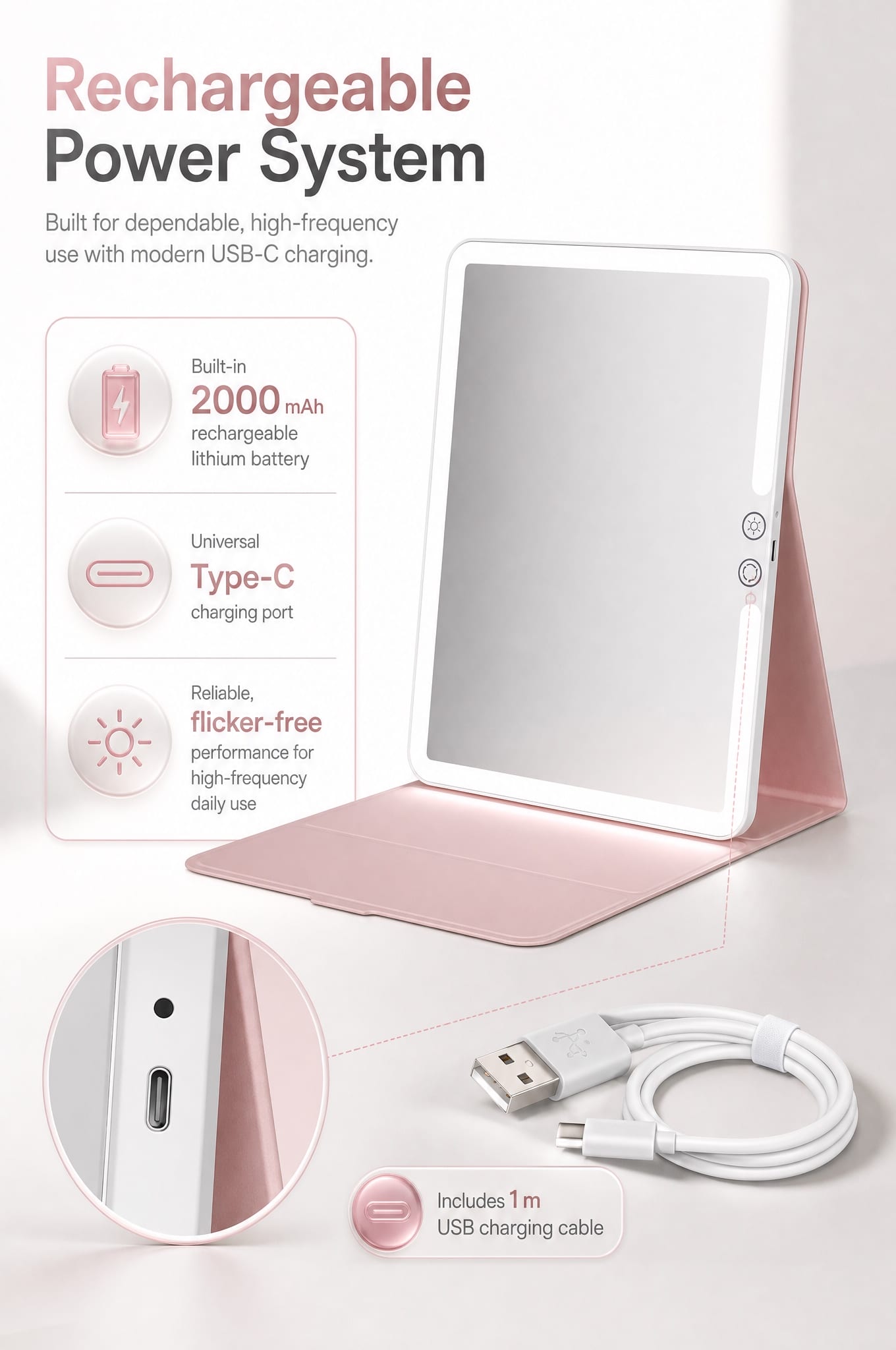
Fragile goods like a glass frameless bathroom mirrors or illuminated cabinets require robust drop-tested packaging, such as thick high-density foam and reinforced wooden crates. This packaging increases the physical volume of the cargo, impacting container utilization rates. Sourcing specialized products like a rgb led bathroom mirror or a custom led shaving mirror also requires accounting for localized compliance testing fees, which must be amortized over the total order volume to protect net margins.
| Cost Component | Description / Impact | Margin Protection Strategy |
|---|---|---|
| FOB Unit Price | Base manufacturing cost of the illuminated mirror. | Negotiate bulk volume discounts or customize features via factory direct. |
| UK Customs Duty | Import duty based on HS code classification (often around 2% to 4.5%). | Verify exact commodity codes in advance to avoid penalties or overpayment. |
| Freight & Logistics | Sea/air transport, local port handling, and inland UK delivery. | Optimize container loading and consolidate shipments to reduce per-unit shipping costs. |
| UKCA / IP44 Testing | Compliance verification fees and third-party laboratory audits. | Partner with factories that already hold recognized international test certificates. |
| Breakage & QA Buffer | Financial reserve for potential transit damage to fragile glass. | Mandate drop-test standards and secure comprehensive transit cargo insurance. |
5. Procurement Checklist: Auditing Overseas Suppliers
Before committing to a high-volume purchase order, B2B procurement managers should execute a thorough audit of the manufacturing partner. Relying on self-declarations is a common pitfall; direct verification of physical testing capabilities and supply chain transparency is required.
Key points to review include the origin of electrical components (such as branded LED chips and waterproof drivers), the factory's quality management systems (ISO 9001), and the completeness of their technical files. Importers of specialty lighting products, such as a tabletop makeup mirror or custom commercial fixtures, should ensure that the factory can easily adjust specifications to comply with BS EN safety protocols without compromising production timelines or margin targets.
Frequently Asked Questions
Q: What are the UK customs duty rates for importing commercial LED mirrors?
A: Customs duty rates for importing illuminated mirrors into the UK typically vary between 2% and 4.5%, depending on the precise HS code classification. Factors such as whether the mirror has an integrated wooden frame, metallic trim, or digital smart functions can alter the final tariff rate applied at the UK border.
Q: Which UK electrical safety certifications are required for illuminated bathroom mirrors?
A: Importers must ensure compliance with the UKCA marking requirements, which replace the CE mark in Great Britain. This involves verifying that the mirror conforms to the Electrical Equipment (Safety) Regulations and the Electromagnetic Compatibility Regulations, backed by a comprehensive technical file and declaration of conformity.
Q: How do anti-dumping duties affect wholesale LED mirror pricing from overseas factories?
A: If the UK government imposes anti-dumping duties on glass or mirror components from specific countries, the landed cost can rise significantly. Importers must confirm the country of origin of the raw glass and complete assemblies to ensure they are not subject to corrective trade tariffs.
Q: What is the average markup on wholesale LED mirrors for UK distributors?
A: The gross markup on wholesale LED mirrors typically ranges from 50% to over 100%, depending on the level of customization, design features, and target sector (commercial contracting vs. high-end retail). However, net margins depend heavily on keeping freight, testing, and breakage rates under tight control.
Q: How do British Standard IP ratings impact the landing cost of imported LED mirrors?
A: Achieving a certified IP44 rating for safe wet-zone bathroom placement requires specialized manufacturing, including waterproof silicone seals, moisture-resistant backing plates, and protected LED drivers. These compliance-focused materials and testing fees increase the initial factory cost but are required for legal commercial sales in the UK.