Nederlands
 Deutsch
 Español
  Français
 Русский
Why Bluetooth Bathroom Mirrors with Integrated Audio are the New Standard for Luxury Apartments
Modern multi-family real estate developments require highly functional, premium fixtures to attract high-value tenants and maximize square-footage valuation. Integrating advanced technology directly into the building envelope has transitioned from an optional upgrade to a baseline expectation. Specifying a commercial-grade smart mirror with integrated audio allows developers to deliver a seamless, modern lifestyle experience while maintaining strict control over installation overhead and long-term durability metrics.
Acoustic Engineering and Glass Resonance Control
Integrating high-fidelity audio drivers behind a solid glass surface presents distinct acoustic challenges, primarily due to structural resonance. When low or mid-range frequencies vibrate the vanity glass, it can cause districting rattling and muddy audio reproduction. Commercial-grade systems resolve this issue by utilizing specialized dampening gaskets and decoupled driver mounts that isolate vibration from the main reflective surface.
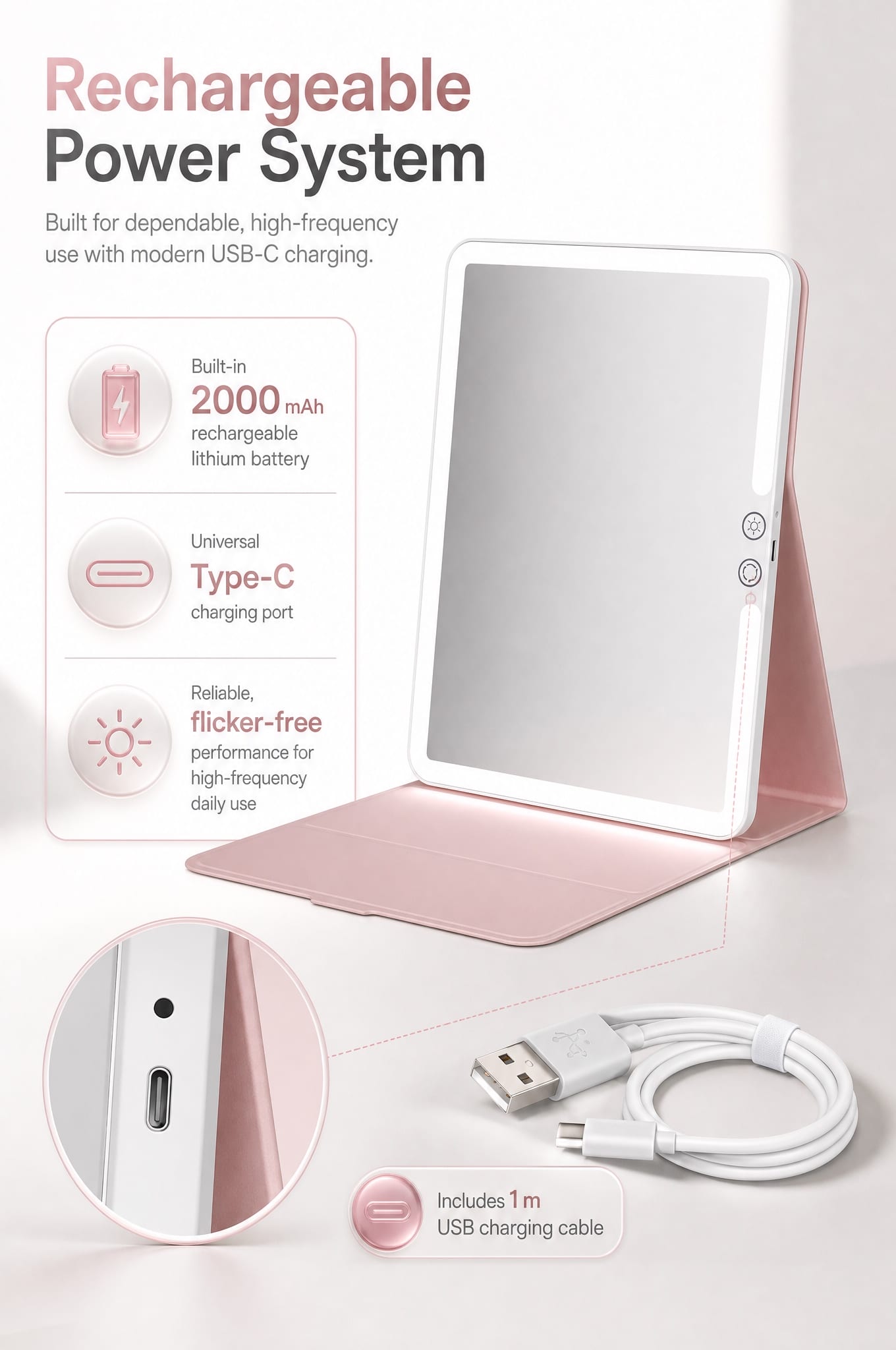
By managing these vibrations, manufacturers ensure crisp, directional sound projection without sacrificing the structural integrity of the mirror. This design philosophy prevents the audio system from loosening the mirror hardware over years of high-volume usage, safeguarding both performance and multi-tenant property safety. Selecting a dedicated Bathroom Mirror engineered for low-resonance acoustic output is critical for high-end residential applications.
Waterproofing Standards: IP44 vs. IP65 in High-Humidity Environments
Bathrooms are inherently high-humidity environments characterized by condensation and airborne moisture particles. Sourcing electronic fixtures for these spaces requires strict adherence to international protection (IP) ratings to avoid premature component failure and electrical hazards. Most premium architectural specifications demand a minimum of IP44 protection, which ensures safety against water splashes from any direction.
For high-exposure zones or premium wet-room layouts, upgrading to IP65-rated enclosures provides total protection against dust ingress and low-pressure water jets. This level of sealing protects the internal printed circuit board (PCB), power transformers, and speaker voice coils from corrosion and short-circuiting. Commercial developers must prioritize these ratings to ensure long-term reliability and compliance with multi-family building codes.
Commercial Selection Checklist for Real Estate Developers
When procurement teams evaluate smart mirrors for large-scale multi-family developments, aesthetic appeal must be balanced with structural durability, ease of maintenance, and safety compliance. Below is an essential selection checklist for commercial projects:
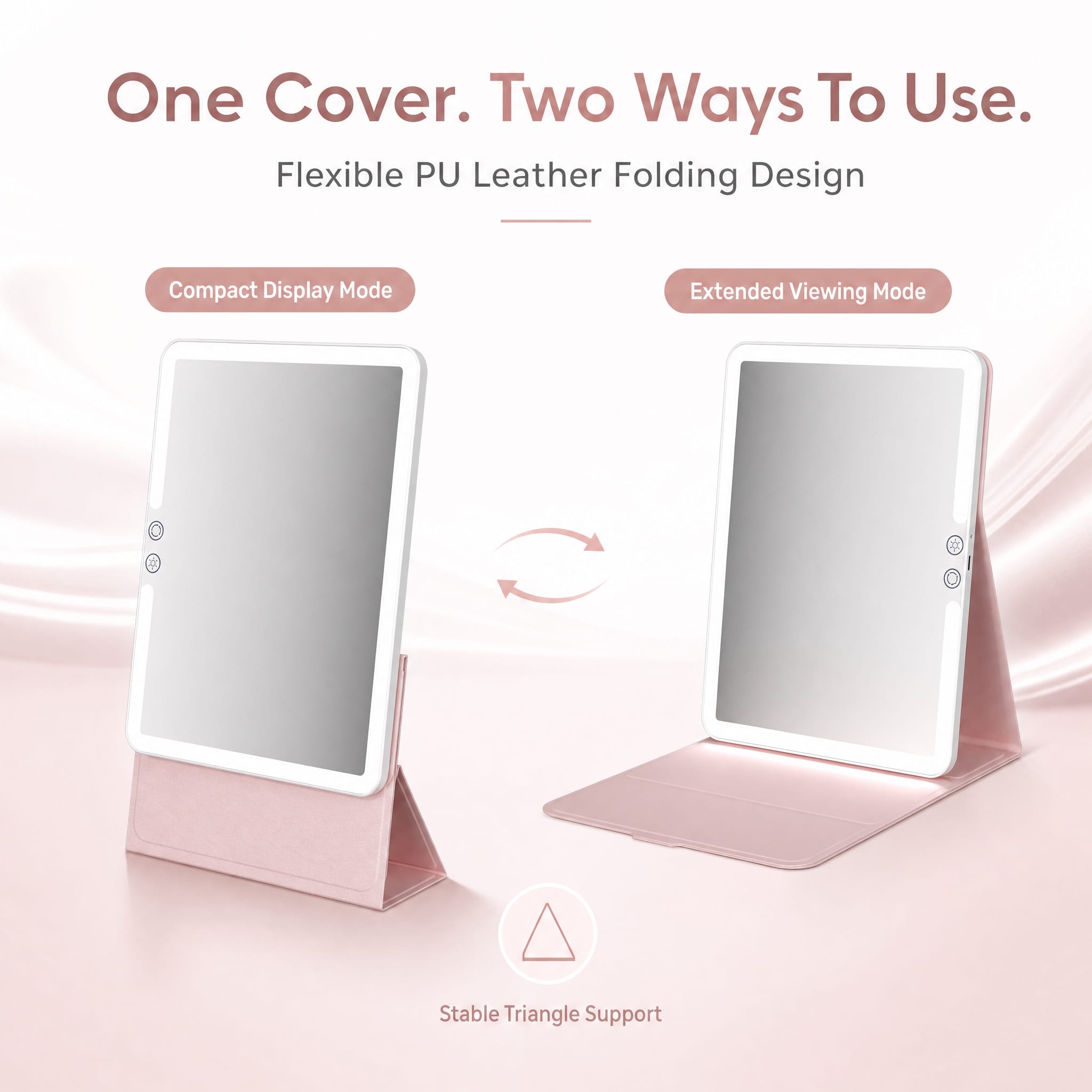
- Electrical Certification: Verify UL, ETL, or CE mark compliance for the entire integrated unit, not just individual sub-components.
- Waterproofing Rating: Ensure the chassis and speaker drivers carry a certified IP44 or IP65 ingress protection rating.
- Demister Functionality: Opt for automatic timed shut-off features to prevent energy waste and prolong heating element lifespan.
- Glass Quality: Specify 5mm copper-free silver glass to resist black-edge corrosion in humid bathroom climates.
- Maintenance Accessibility: Confirm that the internal electronics and driver boards can be serviced or replaced without removing the glass from the wall.
For projects requiring unique geometry or structural configurations, utilizing a professional Bathroom Mirror Customization service helps align the technical specs with specific interior layout demands.
Comparing Smart Mirror Audio with External Ceiling Systems
Integrating audio directly into the vanity unit provides distinct installation and cost advantages over traditional external ceiling speaker systems. The following table highlights the key technical and commercial differences between these two approaches:
| Metric / Feature | Integrated Smart Mirror Audio | External Ceiling Speaker System |
|---|---|---|
| Installation Complexity | Low (single junction box / plug-and-play connection) | High (drywall cutting, cable routing, external amplifier) |
| Water Damage Risk | Minimal (sealed IP-rated backbox enclosure) | Moderate (vulnerable to rising steam condensation) |
| Acoustic Directionality | Direct (front-facing or side-projected at ear level) | Ambient (overhead sound projection, prone to echo) |
| Maintenance Cost | Low (modular component replacement behind glass) | High (requires ceiling access panels or drywall repair) |
By bypassing the need for separate structural wiring, amplifier housing, and specialized ceiling installation, developers can dramatically reduce direct labor hours. Utilizing a multi-functional system like a Bluetooth Hollywood Mirror or an integrated LED mirror delivers high-end acoustic functionality while preserving clean ceiling lines.
Long-Term Asset Protection and PCB Lifespan
The primary concern for multi-family property managers is the long-term durability of built-in electronics. Sourcing mirrors equipped with automotive-grade, moisture-resistant PCB boards ensures a prolonged operational lifespan of 50,000+ hours. These boards are treated with conformal coatings that shield sensitive microprocessors from moisture-induced corrosion.
Furthermore, choosing smart mirrors designed with independent, modular wiring allows maintenance teams to swap out power drivers, Bluetooth receivers, or LED strips in minutes without replacing the entire mirror glass. This modularity reduces future capital expenditure, making integrated mirrors a commercially sound investment for high-end developments.
Technical FAQ for Smart Mirror Sourcing
Q: How do manufacturers waterproof integrated Bluetooth speakers in commercial bathroom mirrors?
A: Manufacturers use hydrophobic speaker cones, specialized silicon adhesive sealants, and sealed backbox enclosures with IP44 or IP65 ratings to protect the speaker assembly and audio drivers from steam and moisture penetration.
Q: What are the electrical certification requirements for low-voltage smart mirrors in multi-family developments?
A: Commercial installations require the entire mirror assembly to hold certifications such as UL 962 (USA), CSA C22.2 (Canada), or CE (Europe). This ensures that the low-voltage electronics, LED drivers, and power transformers comply with national electrical codes.
Q: How does the audio quality of integrated mirror speakers compare to external ceiling speakers?
A: While ceiling speakers provide wide-dispersion ambient sound, integrated mirror speakers project directional audio at ear level, reducing sound loss and echo in tiled bathrooms. Proper acoustic dampening ensures no glass vibration even at higher volumes.
Q: What is the average lifespan and maintenance protocol for commercial-grade smart mirror PCB boards?
A: Commercial-grade PCBs with conformal coatings have an average operational lifespan of 5 to 7 years in high-humidity environments. Maintenance protocols involve checking the modular rear access panel and replacing the plug-and-play driver if a component fails, without needing to replace the glass.
Q: How do bulk procurement costs of Bluetooth mirrors affect the overall per-unit valuation of luxury apartments?
A: Bulk procurement keeps the hardware cost marginally higher than a standard mirror, yet the integrated functionality eliminates separate wiring and speaker installation costs. This increases the modern appeal of the bathroom, directly boosting perceived property value and rental yields.