 Nederlands
 Deutsch
 Español
  Français
 Русский
BS7671 Compliance: Engineering Bathroom Mirrors with Shaver Sockets for UK Hospitality Projects
Designing electrical fixtures for high-end UK hospitality bathrooms requires strict adherence to safety standards, particularly BS 7671 (IET Wiring Regulations). For commercial developers and MEP engineers, integrating illuminated mirrors with built-in shaver sockets is a common specification that presents unique engineering challenges. Ensuring these fixtures comply with Section 701 zoning rules while maintaining a sleek, shallow-profile aesthetic is critical to mitigating liability and passing building control inspections.
Understanding BS7671 Section 701 Zoning and Shaver Sockets
Under BS 7671, bathroom environments are categorized into specific zones based on their proximity to water sources. While general mains sockets (230V) are strictly prohibited within 3 meters of the boundary of Zone 1, a specialized shaver supply unit complying with BS EN 61558-2-5 is permitted in Zone 2.
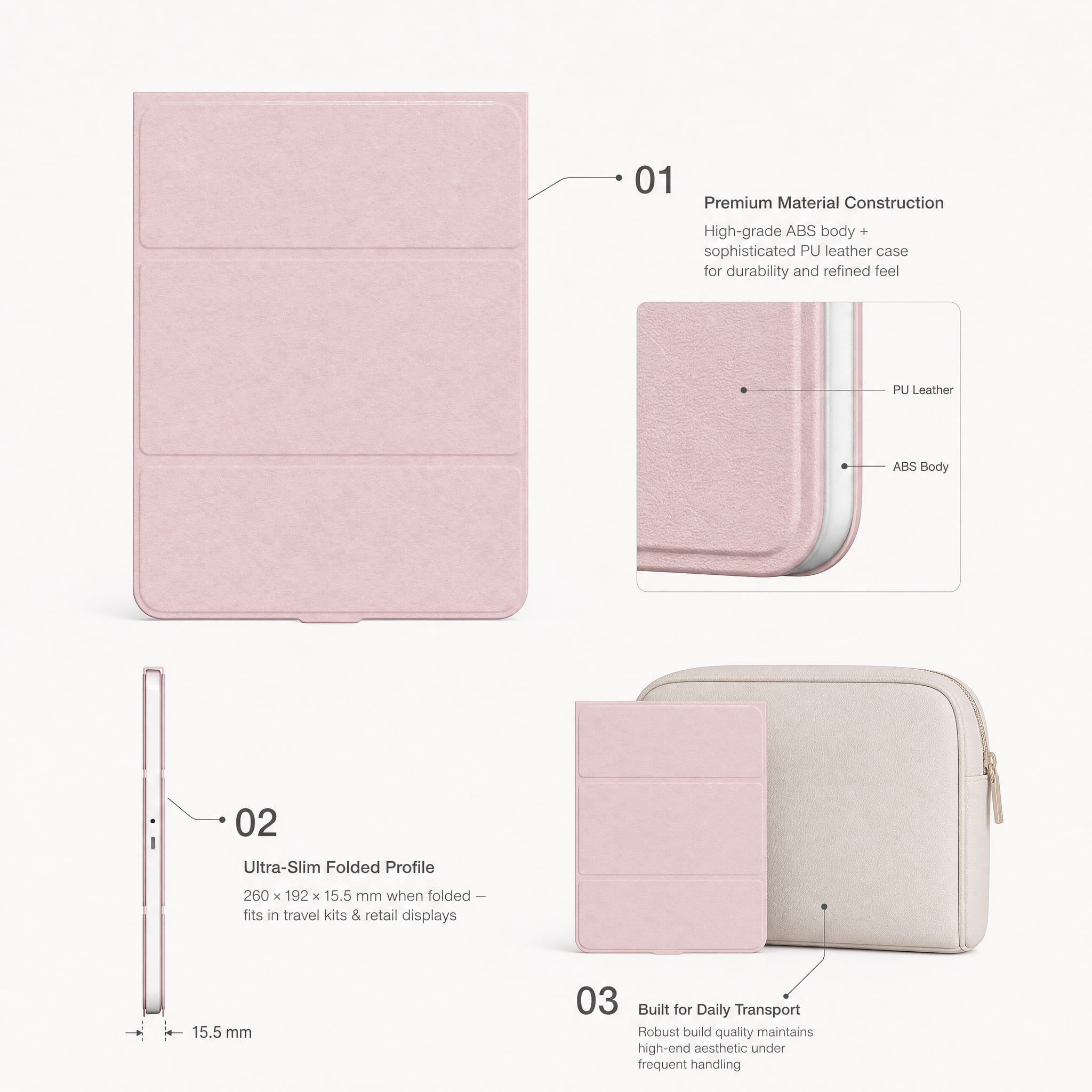
To safely integrate a shaver socket into a Bathroom Mirror installed within Zone 2, the unit must incorporate an isolation transformer. This transformer limits the output current and isolates the user from the main earth path, significantly reducing the risk of electric shock in wet environments.
Isolation Transformer Engineering & Shallow Cavity Integration
One of the primary engineering hurdles in modern hospitality renovations is housing the bulky isolation transformer behind the mirror glass within a shallow wall cavity. Traditional isolation transformers generate substantial heat and require deep mounting boxes, which are incompatible with slimline architectural profiles.
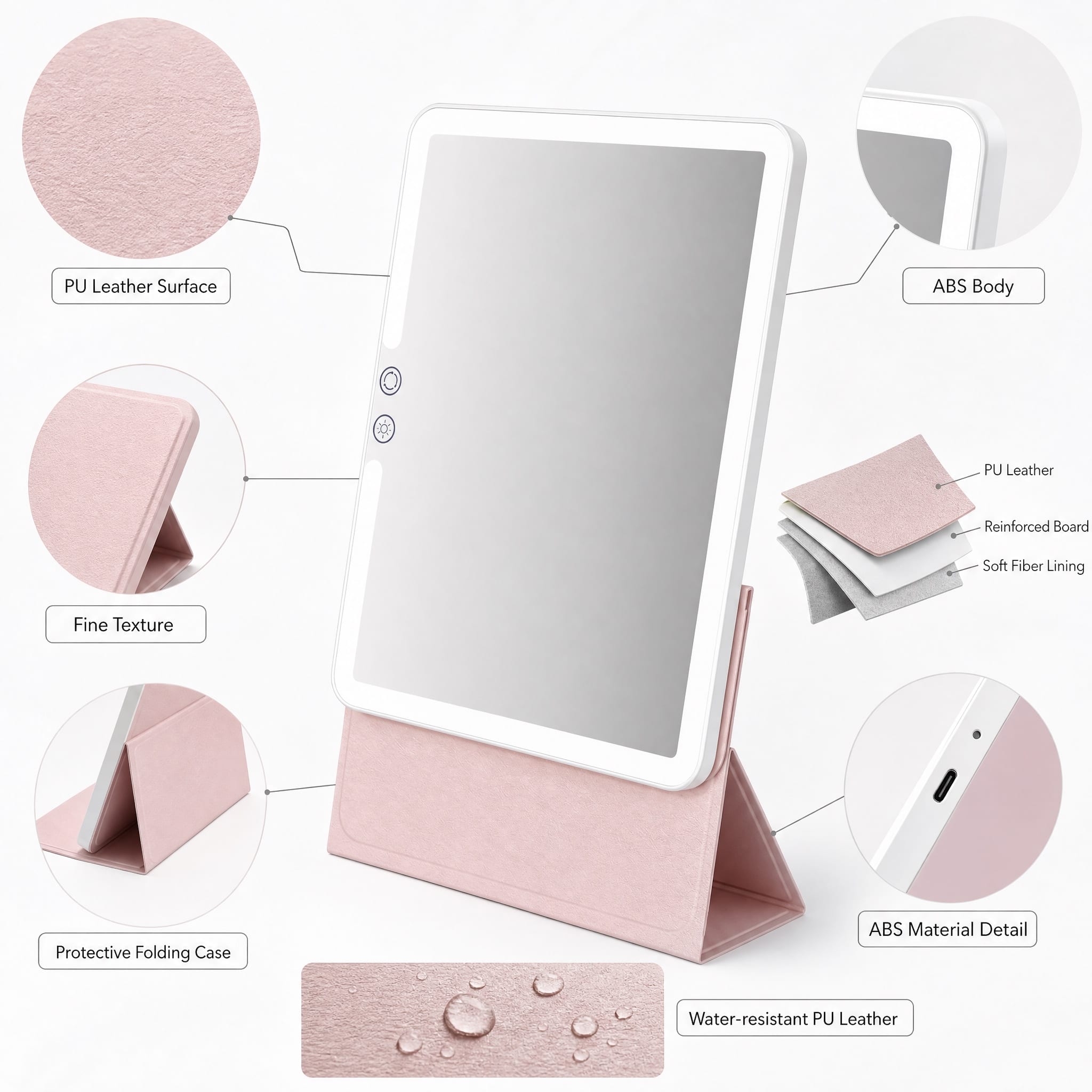
To overcome this, advanced manufacturing utilizes low-profile toroidal transformers coupled with thermal cut-out switches. During the Bathroom Mirror Customization process, engineers must ensure the internal chassis provides sufficient air clearance and heat dissipation paths to prevent the glass from overheating while maintaining a depth of under 45mm.
IP Ratings and Dual-Voltage Switching Mechanisms
Compliance with BS 7671 demands that any electrical enclosure in Zone 2 possess a minimum rating of IP44 (splash-proof). The front-facing shaver socket must be engineered with a self-closing spring-loaded flap or an internal shutter mechanism to prevent water ingress when not in use.
Furthermore, hospitality projects require dual-voltage capability (115V and 230V) to accommodate international hotel guests. The internal switching mechanism must be physically isolated from the low-voltage LED driver circuits. High-grade double insulation (Class II construction) is highly recommended for these mirror assemblies to remove the reliance on a protective earth circuit for electrical safety.
B2B Comparison: Retail vs. BS7671 Compliant Commercial Mirrors
Sourcing standard retail fixtures for commercial hospitality builds often leads to compliance failures during commissioning. The table below highlights the key technical differences between consumer-grade mirrors and fully compliant commercial-grade units.
| Technical Specification | Retail-Grade Mirror Assemblies | BS7671 Commercial-Grade Mirrors |
|---|---|---|
| Isolation Transformer | Often omitted or non-compliant with BS EN 61558-2-5 | Integrated BS EN 61558-2-5 toroidal transformer |
| Ingress Protection (IP) | IP20 or basic IP44 with unsealed socket apertures | Strict IP44 with sealed back-box and gasketed sockets |
| Thermal Management | Passive venting only, prone to overheating in tight spaces | Active thermal cut-outs and heat dissipation plates |
| Dielectric Testing | Batch-tested or self-certified | 100% factory-level dielectric strength (hipot) tested |
Quality Assurance and Factory-Level Compliance Verification
For UK commercial contractors sourcing imported mirrors, third-party verification is essential. Manufacturers must provide documented proof of compliance, including CE/UKCA marking and laboratory test reports for BS EN 61558-2-5 and BS EN 60598-1 standards. During production, every single completed mirror assembly should undergo factory-level dielectric strength (hipot) testing to verify the integrity of the isolation barrier before shipment.
Frequently Asked Questions Regarding BS7671 Shaver Mirrors
Q: Can a dual-voltage shaver socket mirror be safely installed in Zone 2 of a hotel bathroom?
A: Yes. Provided the shaver socket is fed via an isolation transformer complying with BS EN 61558-2-5 and the mirror housing meets IP44 splash-proof requirements, installation in Zone 2 is fully compliant with BS 7671.
Q: What is the main cause of compliance failure during on-site inspection?
A: The most common failure is the lack of a proper isolation transformer within the mirror assembly. Many low-cost imported mirrors connect the shaver socket directly to the mains power, which is a severe violation of UK wiring regulations.
Q: Do these mirrors require a dedicated earth connection?
A: If the mirror is designed as a Class II double-insulated appliance, it does not require a protective earth connection. However, Class I configurations must have robust structural grounding to all metal chassis parts.
Q: How do hospitality projects handle the depth constraints of slim-profile mirrors?
A: Sourcing specialized thin-profile toroidal transformers or recessed chassis designs allows manufacturers to keep the mirror depth below 45mm, fitting comfortably into modern hotel drywall cavities.
Q: What documentation should procurement managers request from the manufacturer?
A: Procurement managers should request UKCA/CE certificates of conformity, IP44 test reports, and evidence of 100% factory-level dielectric strength (hipot) testing to ensure compliance with BS 7671 Amendment 2.





