 Nederlands
 Deutsch
 Español
  Français
 Русский
Choosing a Reliable Bathroom Mirror Supplier in the UK: Quality Standards and Lead Times
For UK commercial developers, hospitality procurement officers, and high-volume distributors, sourcing mirrors for large-scale projects involves navigating complex supply chains. Balancing strict British safety regulations with predictable lead times is critical to keeping construction schedules on track. This guide analyzes the technical benchmarks, manufacturing processes, and logistics strategies required when choosing a commercial-grade mirror partner.
UK and European Quality Standards for Commercial Mirrors
In high-humidity commercial washrooms, standard residential mirrors quickly degrade, leading to unsightly edge corrosion and silvering failure. To ensure long-term durability, commercial specifiers must require compliance with BS EN 1036-1 (Glass in building - Mirrors from silver-coated float glass for internal use). This standard dictates the testing protocols for copper-free silvering processes, which offer significantly higher resistance to moisture and chemical cleaners than traditional copper-backed glass.
For public and hospitality spaces, safety is paramount. All bulk installations must utilize safety-backed glass conforming to BS EN 12600 Class 1 or Class 2 impact testing. Specifying a bathroom mirror with woven safety film lamination on the rear ensures that if a breakage occurs, the glass shards remain adhered to the backing rather than causing injury to guests or patrons.
Advanced Manufacturing Processes and Material Integrity
The longevity of a commercial mirror is determined in the initial stages of factory production. High-grade suppliers utilize automated CNC cutting, grinding, and double-sided polishing machines to eliminate micro-cracks along the glass edge, which are the primary entry points for moisture. Look for manufacturers that offer custom bathroom mirror customization, ensuring precise cutouts for mounting hardware, integrated electrical sockets, and touch sensors without compromising the structural integrity of the glass.
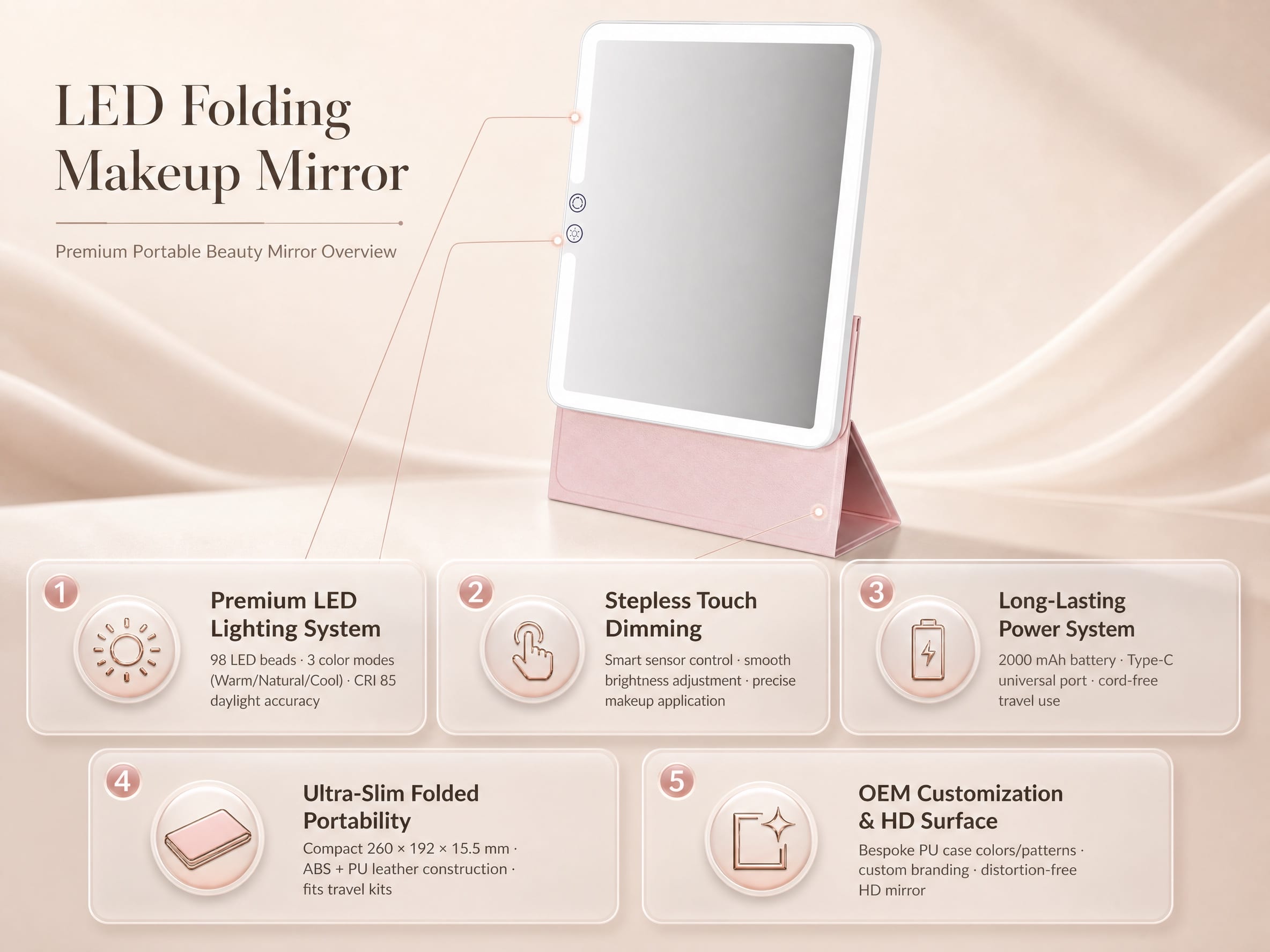
Additionally, electrical components within illuminated or heated demister mirrors must carry CE, UKCA, or RoHS certifications to comply with building regulations. Sourcing a high-quality bathroom mirror cabinet requires verifying that the internal wiring, LED strip lights, and power drivers are rated IP44 or higher, guaranteeing protection against water splashes in Zone 2 bathroom environments.
Managing Lead Times and High-Volume Production Capacity
Large-scale hotel developments and multi-unit residential projects operate on strict staging timelines. A supplier's production capacity directly influences their lead-time reliability. Facilities equipped with automated silvering lines and multi-axis CNC machines can handle large-scale batch orders faster, typically delivering custom production runs within 4 to 6 weeks. Choosing a partner with a versatile product range—from simple frameless bathroom mirrors to complex, multi-functional smart mirrors—allows procurement teams to consolidate their vendors and streamline delivery schedules.
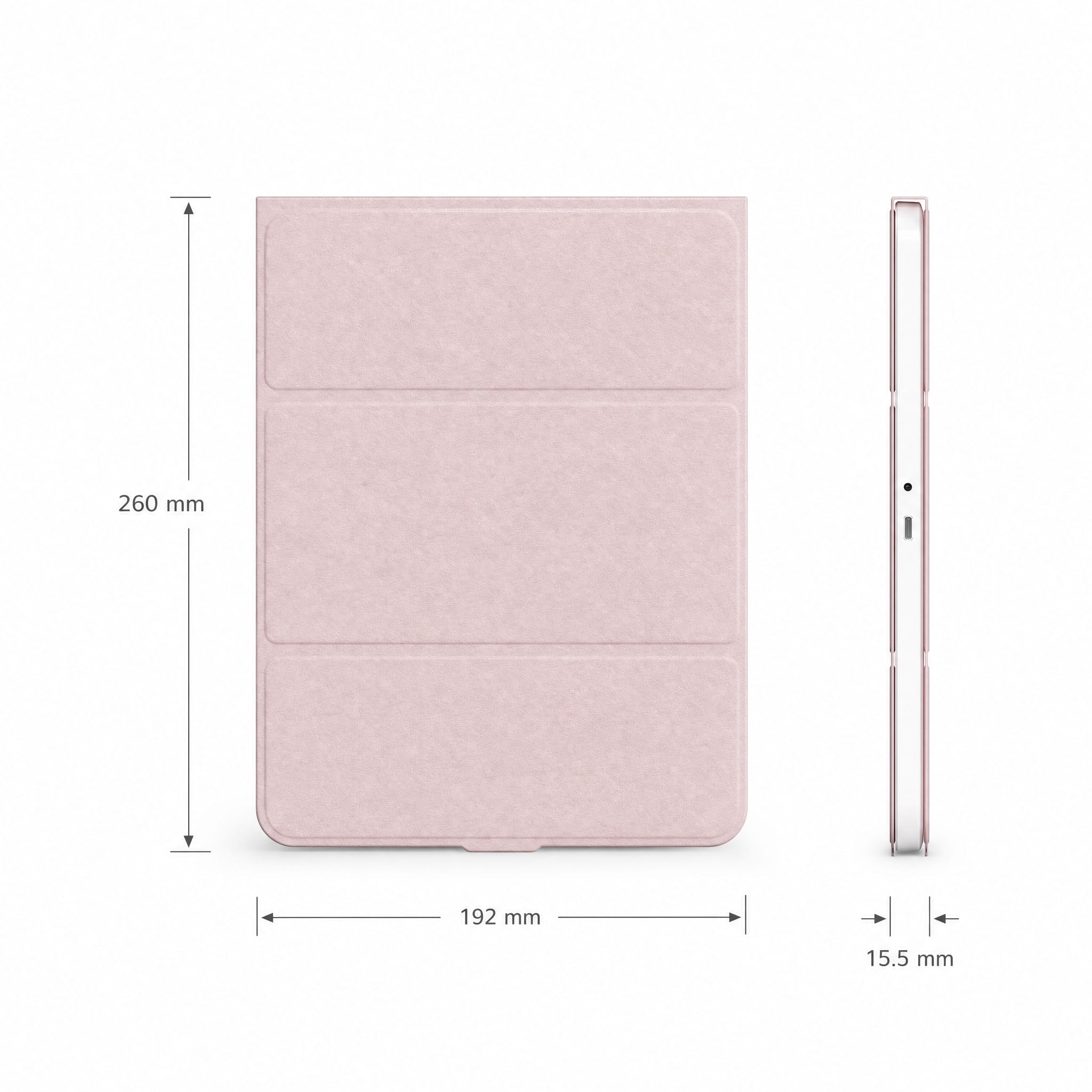
For international supply chains, transit times must be calculated alongside factory production times. While sea freight introduces a 4-to-5-week transit window to the UK, established manufacturers mitigate this by offering split-shipment staging. Under this model, the factory releases products in aligned phases that match the onsite construction schedule of the development, preventing costly warehousing and handling bottlenecks on site.
Shatter-Proof Packaging and UK Logistics Standards
Fragile glass items require specialized logistics management to prevent transit damage. High-performing suppliers conduct drop-testing (ISTA standards) on their packaging configurations before shipping. Commercial bulk shipments should be secured in reinforced, IPPC-compliant wooden crates with shock-absorbing foam inserts separating each unit. This prevents scratching and pressure-induced fractures during sea transit and road haulage inside the UK.
| Specification Metric | Standard Requirement | Commercial Impact |
|---|---|---|
| Glass Type | 5mm or 6mm High-Definition Float Glass | Ensures distortion-free reflection across large surfaces. |
| Silvering Quality | BS EN 1036-1 Copper-Free, Lead-Free | Resists humidity, prevents edge blackening and oxidation. |
| Safety Backing | BS EN 12600 Class 1 or Class 2 Film | Retains glass fragments upon high-impact breakage. |
| IP Rating (LED models) | IP44 Minimum (Zone 2 compliant) | Ensures safe operation of demisters and lights in wet areas. |
| Bulk Lead Time | 4–6 weeks production + 4 weeks transit | Allows planned scheduling for master-planned developments. |
B2B Sourcing Checklist for UK Project Managers
When shortlisting prospective global manufacturers for your UK project, utilize this target verification checklist to ensure reliability:
- Compliance Records: Ask for independent lab certificates verifying BS EN 1036-1 and BS EN 12600 performance.
- Machinery Evaluation: Confirm the factory operates automated horizontal silvering lines and computerized CNC edgers to guarantee dimensional tolerances.
- Logistics and Staging: Verify that the vendor offers flexible warehousing or staggered container delivery schedules aligned with construction phases.
- Product Versatility: Ensure the manufacturer can deliver a varied inventory, from standard vanity units to customized framed bathroom mirror options for premium suites.
Frequently Asked Questions
Q: What are the standard lead times for bulk commercial bathroom mirror orders in the UK?
A: Bulk production at the factory typically ranges from 4 to 6 weeks depending on design complexity. Shipping and port clearance to the UK add approximately 4 to 5 weeks. Specifiers should plan for a total window of 8 to 11 weeks from drawing approval to on-site delivery.
Q: How do UK bathroom mirror suppliers package bulk shipments to prevent transit damage?
A: Commercial orders are packed using heavy-duty, moisture-resistant packaging. Mirrors are individually wrapped in protective PE film, separated by high-density foam buffers, and shipped in IPPC-certified wooden crates designed to withstand sea travel and crane handling.
Q: What BS EN standards apply to commercial and hospitality mirrors in the UK?
A: The primary standards are BS EN 1036-1, which governs silver-coated glass quality and environmental testing, and BS EN 12600, which regulates safety backing requirements to prevent injury from falling shards in public zones.
Q: Can UK mirror manufacturers handle custom cut-to-size and backlighting specs for hotels?
A: Yes, industrial B2B manufacturers utilize advanced CNC glass machinery to execute complex shapes, custom edge beveling, and integrated LED backlit channels to meet the precise architectural specifications of hotel bathroom renovations.
Q: How do UK mirror suppliers handle quality control and batch testing for silvering defects?
A: Reliable factories conduct rigorous quality control tests on every batch, including salt-spray testing to simulate high-humidity wear, cross-hatch adhesion testing on safety backings, and high-intensity optical scans to find micro-air bubbles in the glass.





