 Nederlands
 Deutsch
 Español
  Français
 Русский
Smart Hospitality: Why Hotels are Upgrading to Bluetooth-Enabled Smart LED Mirrors
Modern hospitality design is shifting toward integrated, high-tech guest experiences. Hoteliers and procurement managers are increasingly upgrading traditional bathroom fixtures to advanced digital solutions. Investing in a high-quality Ai Smart Mirror not only elevates guest satisfaction but also delivers long-term operational efficiency and tangible return on investment.
The Shift to In-Room Connected Tech
Today's hotel guests expect seamless connectivity that mirrors their smart home setups. Integrating Bluetooth modules directly into bathroom mirrors allows guests to stream music, listen to podcasts, or take hands-free calls while preparing for their day. This convenience turns a standard bathroom routine into a personalized, premium experience that directly influences positive online guest reviews.
From a design perspective, incorporating tech directly into the glass eliminates the need for separate in-room Bluetooth speakers, decluttering the vanity countertop. Choosing a sleek option like Frameless Bathroom Mirrors with integrated audio keeps the aesthetic minimalist and modern, satisfying both interior designers and tech-focused travelers.
Overcoming Multi-Room Signal Interference
In a commercial hotel setting with hundreds of adjacent rooms, signal bleed is a critical technical challenge. If a guest in room 304 accidentally pairs their phone to the mirror in room 305, it creates immediate privacy and guest satisfaction issues. To prevent this, commercial-grade smart mirrors utilize localized, low-range Bluetooth modules.
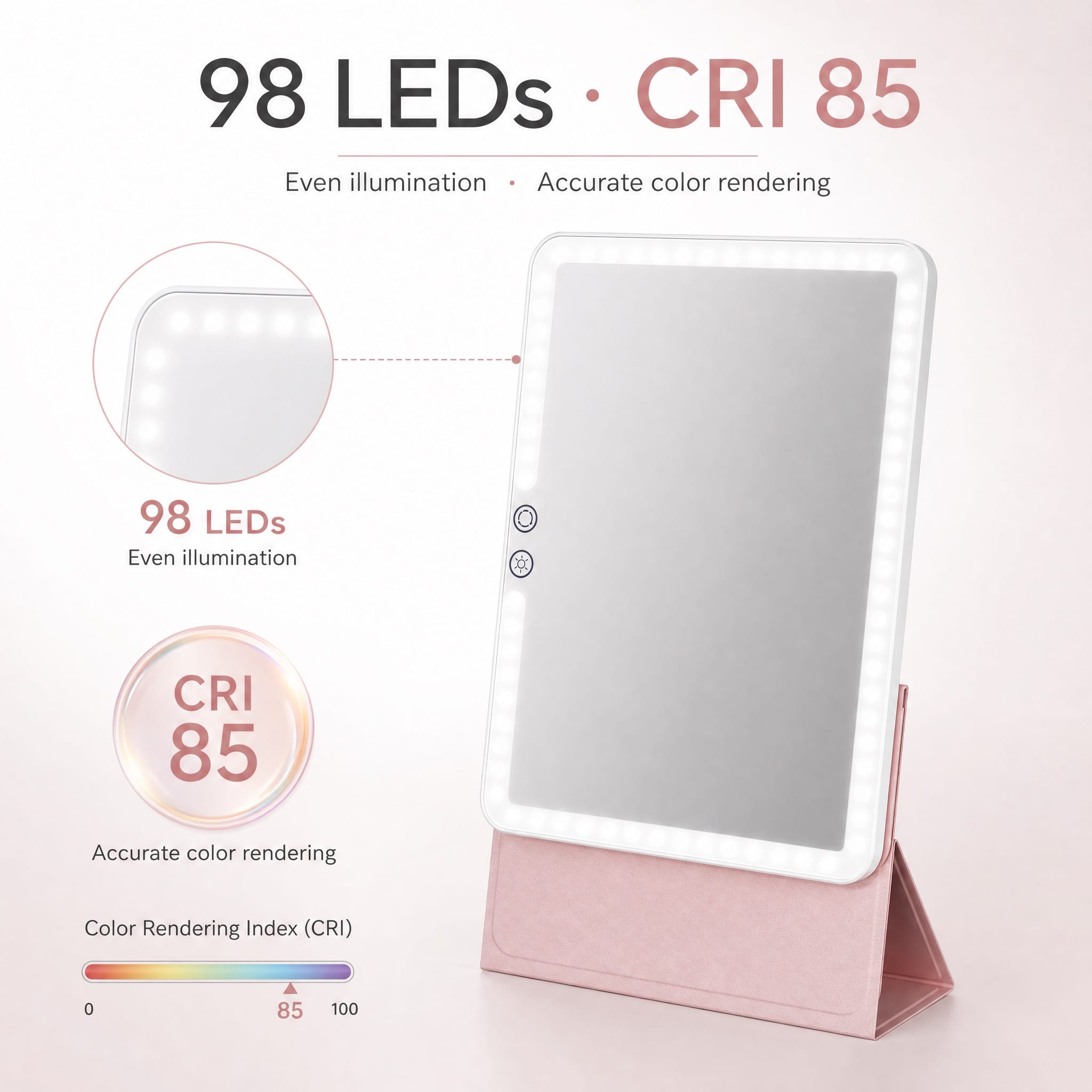
Engineers design these specialized modules with strict signal range limits (typically capped at 3 meters) and unique pairing codes. Furthermore, the Bluetooth hardware can be shielded within the mirror's back chassis to direct the signal forward into the room, preventing lateral penetration through drywall or concrete guestroom partitions.
Commercial vs. Residential Durability Standards
Residential mirrors are designed for gentle, infrequent use, whereas hospitality environments require rugged, heavy-duty engineering. The humidity levels in hotel bathrooms are exceptionally high due to back-to-back guest use, which can rapidly degrade low-quality electronics. High-performance models like the Rgb Led Bathroom Mirror or dedicated commercial vanity solutions are built with IP44 or IP65 waterproof ratings to guarantee longevity.
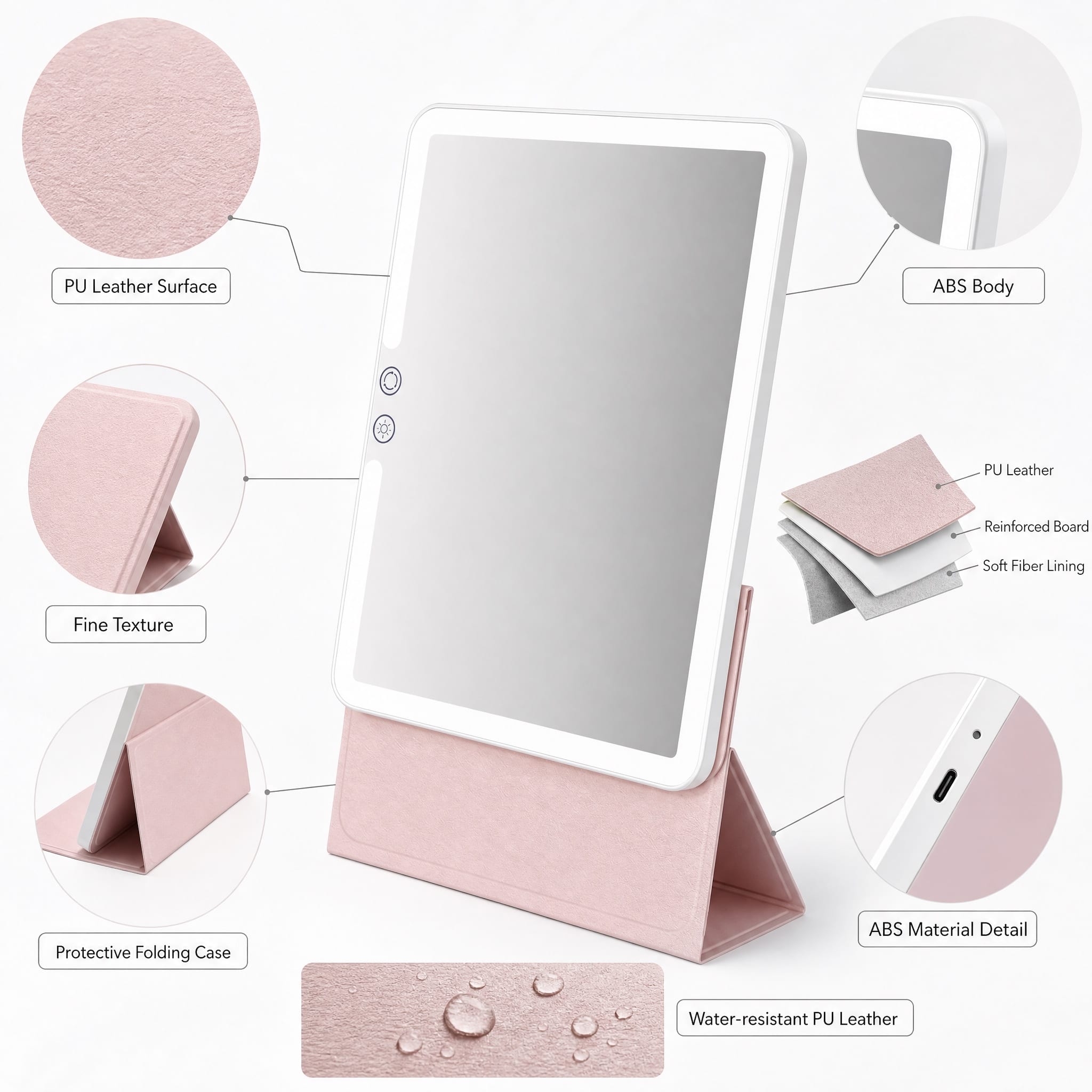
Defogger pads and LED driver components in commercial settings must feature high-grade thermal protection and auto-shutoff timers. While a residential mirror might only run for an hour a day, a hotel mirror might be left on for half a day by departing guests. Commercial-grade drivers and LED strips are rated for 50,000+ hours of continuous operation, drastically reducing maintenance overhead.
Selecting the Right Specifications: B2B Checklist
When sourcing smart mirrors for hospitality renovations or new builds, procurement managers must evaluate key technical specifications rather than relying solely on aesthetics. Selecting the right combination of features ensures that the mirrors are both functional and easy for hotel staff to service over time.
For guest suites requiring high-precision lighting, utilizing a specialized Led Shaving Mirror or customizable vanity option ensures optimal CRI (Color Rendering Index) and color temperature controls. Below is a direct comparison of features to prioritize during the selection process:
| Technical Feature | Commercial Standard | Why It Matters for Hotels |
|---|---|---|
| Bluetooth Range Control | Capped at 3 meters (Class 3) | Prevents crosstalk and cross-room accidental pairings. |
| Waterproof Rating | IP44 minimum, IP65 preferred | Protects internal drivers from moisture and steam damage. |
| Component Design | Modular / Plug-and-Play | Enables hotel staff to replace drivers without replacing the glass. |
| Auto-Defogger Timer | 30-minute auto shut-off | Reduces hotel energy consumption and prevents overheating. |
| Color Rendering Index (CRI) | CRI > 90 | Provides natural, accurate skin tones for makeup and shaving. |
Maintenance and Modular Component Accessibility
In the commercial hospitality world, downtime equals lost revenue. If a smart mirror's Bluetooth module or LED driver fails, a hotel cannot afford to keep a room offline for days. This is why leading B2B manufacturers emphasize modular design. Highly serviceable options, such as those available through professional Bathroom Mirror Customization, allow engineering teams to access internal components from the side or back of the chassis easily.
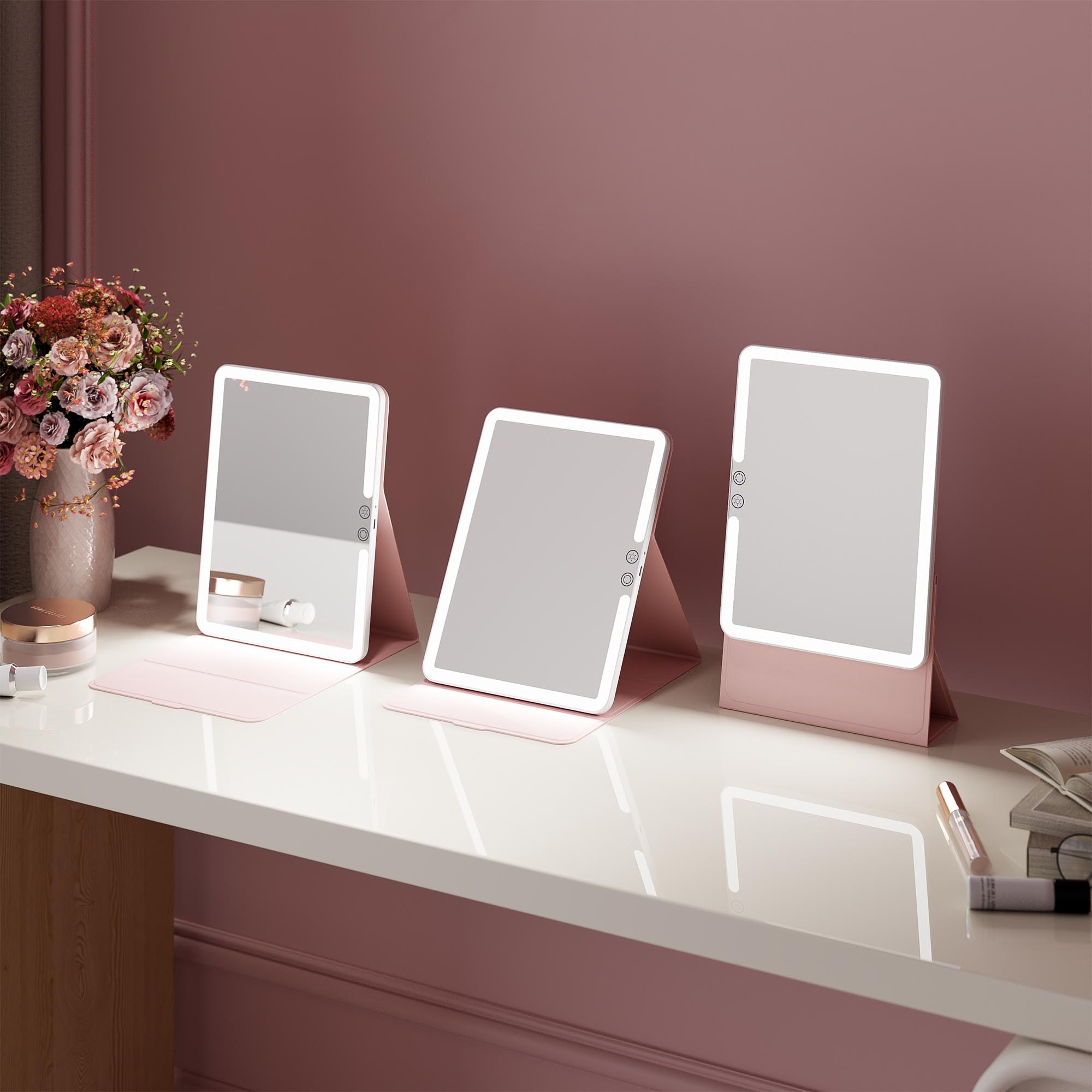
Plug-and-play connectors enable on-site maintenance technicians to swap out a failed driver or Bluetooth card in under ten minutes, without dismounting the entire mirror frame. Choosing mirrors with copper-free glass also ensures that silvering degradation does not occur over years of cleaning with commercial solvents, preserving the hotel's capital investment for the long term.
Frequently Asked Questions
Q: How do smart LED mirrors connect to hotel PMS or in-room Bluetooth systems?
A: Most hospitality smart mirrors function as standalone Bluetooth receivers to keep integration simple. However, custom commercial models can be manufactured to pair directly with in-room hospitality automation hubs or smart TVs, allowing centralized control and automated pairing resets upon guest checkout.
Q: What are the maintenance and lifespan differences between commercial-grade and residential-grade smart mirrors?
A: Commercial-grade mirrors feature copper-free silver glass to resist humidity corrosion and utilize drivers with 50,000-hour lifespans. Residential mirrors often use cheaper materials that degrade within 1-2 years under high-humidity hotel bathroom conditions.
Q: How do hospitality bathroom mirrors handle Bluetooth signal interference in multi-room configurations?
A: Commercial mirrors restrict Bluetooth signal strength using Class 3 modules (up to 3 meters). They are also built with back-chassis shielding, ensuring the signal is directed forward and does not penetrate wall partitions to interfere with neighboring guestrooms.
Q: What are the waterproof and anti-fog safety ratings required for commercial LED mirrors?
A: Hospitality mirrors require a minimum rating of IP44, which protects against water splashes from any direction. Furthermore, integrated anti-fog pads should feature UL or CE certification alongside an automatic safety shut-off timer to save energy and protect internal components.
Q: How does upgrading to smart mirrors impact hotel energy consumption?
A: While smart mirrors introduce active electronics, they utilize high-efficiency LEDs that consume up to 80% less energy than traditional incandescent or fluorescent bathroom lighting. Integrating auto-off sensors and defogger timers ensures that energy is only consumed when the guest is actively using the bathroom.





