Nederlands
 Deutsch
 Español
  Français
 Русский
The Hospitality Specification Guide for LED Bathroom Shaving Mirrors with Anti-Fog
Hospitality developers, MEP engineers, and procurement specialists face unique challenges when specifying bathroom fixtures for high-use commercial environments. Unlike residential installations, hotel guestrooms require fixtures engineered for constant operational demand, strict electrical code compliance, and minimal maintenance overhead. This technical guide outlines the critical engineering and structural standards required when sourcing bulk-ordered anti-fog LED mirrors for modern hospitality projects.
1. Electrical Integration and Anti-Fog Control Circuits
Integrating an anti-fog heating element within a hospitality bathroom requires careful electrical planning. In commercial guestrooms, the heating pad of an Led Shaving Mirror should ideally be wired directly to the guestroom master switch, card key control system, or the primary lighting circuit. This configuration prevents guests from leaving the defogger running indefinitely, which dramatically reduces overall property energy consumption and extends the operational lifespan of the heating element.
MEP engineers must calculate the electrical load for bulk installations. A typical anti-fog heating pad consumes between 1.5 to 2.5 watts per square decimeter. When multiplying this across a 300-room hotel, dedicated circuit planning is necessary to accommodate the combined startup and continuous load of the lighting and heating systems. Incorporating automated auto-off timers (typically set to 30 or 60 minutes) directly on the mirror circuit adds an extra layer of property energy management.
2. IP Ratings and Bathroom Safety Zoning
Safety compliance in wet environments is non-negotiable for hospitality operations. The International Protection (IP) rating defines the level of sealing effectiveness of electrical enclosures against intrusion from moisture and foreign bodies.
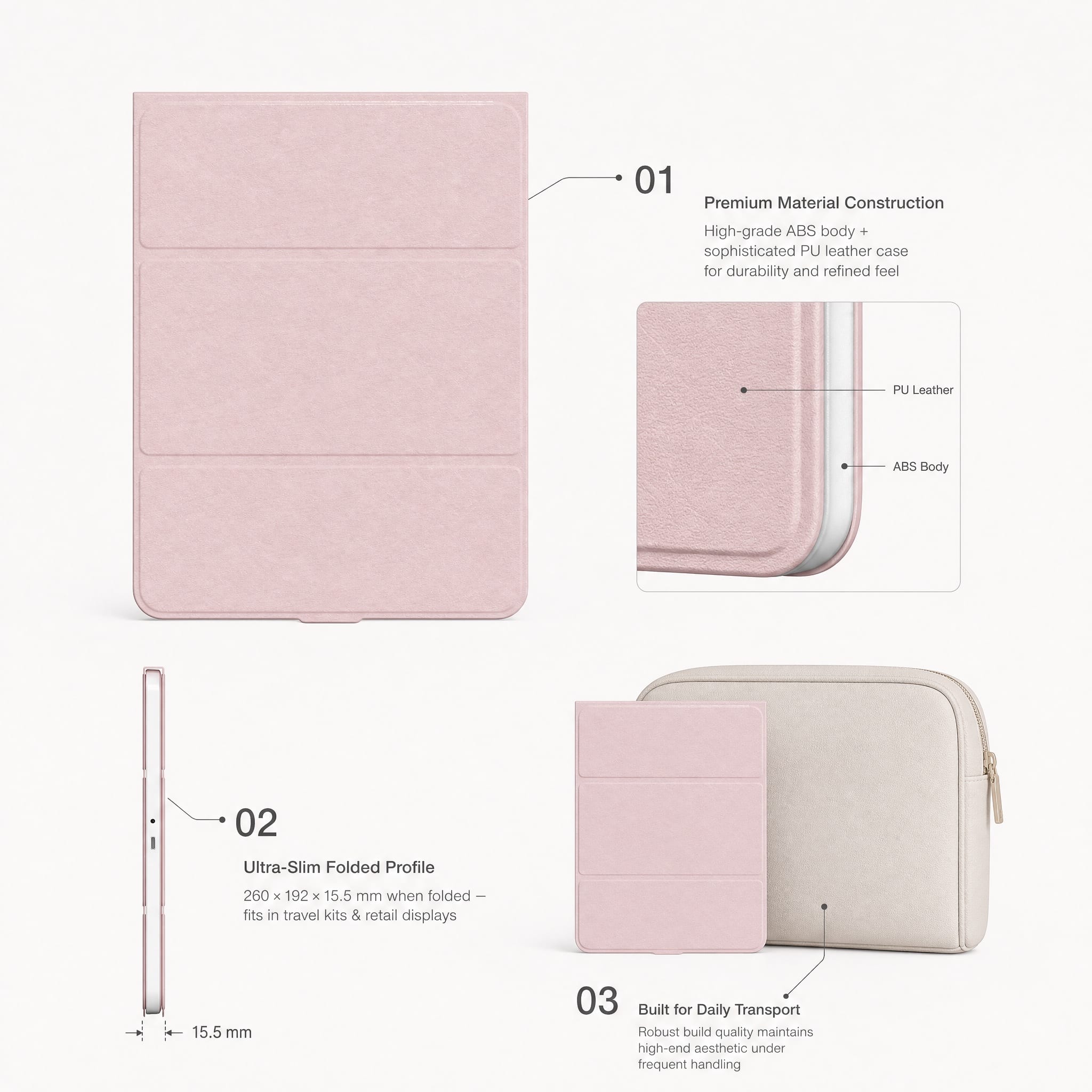
For guestrooms, any integrated Bathroom Mirror must comply with regional bathroom zoning regulations. Standard installations within Zone 2 (areas extending 0.6 meters outside the bath or shower) require a minimum rating of IP44, which guarantees protection against water splashes from any direction. For high-steam environments or installations closer to water sources, specifying IP54 or IP66 enclosures ensures that drivers, wiring connections, and heating elements remain completely sealed against vapor penetration and dust accumulation.
3. Glass Longevity and Driver Thermal Management
In high-humidity hospitality bathrooms, standard silver mirrors degrade rapidly, leading to black edge corrosion. To prevent this, developers must specify copper-free glass. Copper-free silver mirrors offer superior resistance to atmospheric moisture, industrial cleaning chemicals, and oxidation. The backing must feature a multi-layer protective coating to seal the silvering layer from environmental damage, ensuring the glass maintains its reflective clarity over years of continuous service.
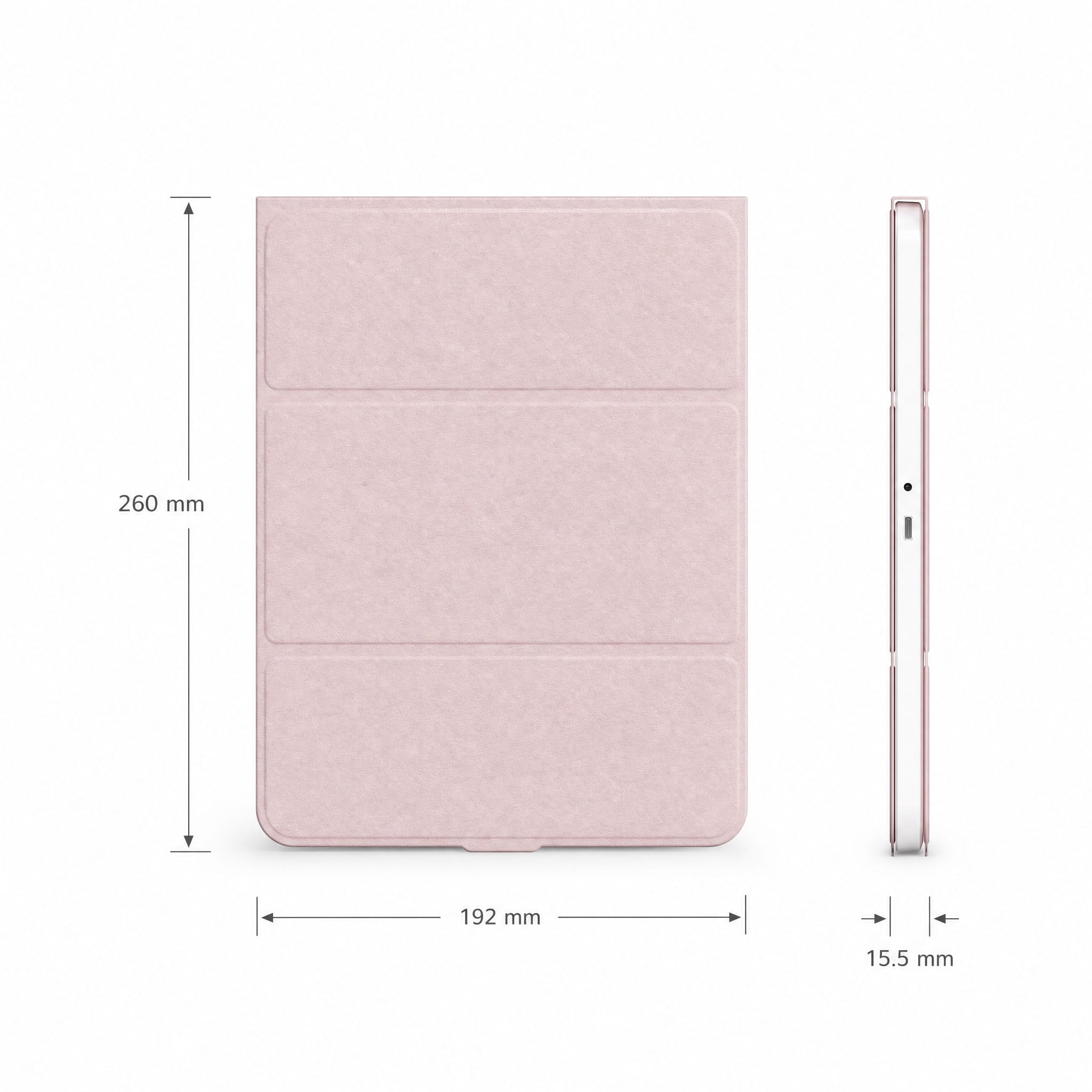
Equally critical is the thermal management of the integrated LED drivers. LED lifespan is directly tied to junction temperature. In continuous-use commercial environments, the drivers must be housed within well-ventilated, aluminum-extrusion backing chassis that dissipate heat efficiently. Specifying commercial-grade drivers with a rated lifespan of at least 50,000 hours, automatic thermal shutdown, and over-voltage protection prevents premature driver failure and reduces maintenance interventions.
4. Anti-Theft Mounting Systems for Commercial Walls
Hospitality installations demand secure, tamper-resistant mounting systems to prevent both accidental dislodgement and theft. Standard residential keyhole hangers are insufficient for public and hospitality environments. Instead, projects should utilize a heavy-duty, interlocking aluminum French cleat system with mechanical locking screws.
When mounting a heavy illuminated fixture or a Shaving Mirror Without Light on guestroom drywall or tile walls, the mounting plate must align with internal wall studs or utilize high-strength toggle bolts rated for the specific load. Security locking screws located at the bottom of the frame secure the chassis to the bracket, preventing the mirror from being lifted or removed without specialized tools. This design also provides a flush, clean finish that prevents guests from tampering with behind-the-glass wiring.
5. Color Rendering Index (CRI) and Optical Standards
Guest satisfaction is heavily influenced by bathroom lighting quality. Low-quality LEDs can distort skin tones, making daily grooming and shaving difficult. To meet international hospitality lighting standards, integrated LEDs must have a Color Rendering Index (CRI) of Ra > 90, with an R9 value (red spectrum rendering) of at least 50. This ensures accurate skin tone representation.
Furthermore, color consistency across different production runs is vital for large-scale developments. Procurement teams should specify a 3-Step MacAdam Ellipse tolerance to ensure that there is no visible color deviation (color temperature shift) between mirrors in different rooms. For standard guest grooming, a neutral white color temperature of 3000K to 4000K is recommended to balance warmth with optical clarity.
| Technical Specification | Standard Residential Grade | Hospitality B2B Grade |
|---|---|---|
| Glass Core Chemistry | Standard copper-containing glass | 5mm Copper-free silver glass |
| IP Protection Class | IP20 or IP44 unsealed back | IP44 minimum (IP54 / IP66 option) |
| Color Rendering Index | CRI > 80 | CRI > 90 (High R9 > 50) |
| Mounting System | Standard keyholes / hanging wire | Interlocking French cleats with security screws |
| LED Driver Lifespan | 15,000 - 20,000 hours | 50,000+ hours with thermal protection |
Frequently Asked Questions
Q: How do hospitality projects manage the customization of integrated features like shaver sockets and custom dimensions?
A: Through professional Bathroom Mirror Customization, manufacturers can integrate dual-voltage shaver sockets (110V/220V), custom sizing to fit specific vanity dimensions, and custom-located knockouts on the chassis to align precisely with wall junctions.
Q: What is the benefit of a copper-free mirror in a high-humidity hotel environment?
A: Copper-free glass eliminates the chemical reaction that causes rust and black-edge corrosion. This significantly extends the service life of the mirror, protecting the hotel's long-term capital investment and reducing maintenance cycles.
Q: Can the anti-fog pad be wired to turn off automatically?
A: Yes. For hotel applications, anti-fog pads are typically connected to the primary lighting circuit or a motion sensor, and can be configured with an internal automatic timer that cuts off power after 30 minutes of continuous operation to conserve energy.
Q: What certifications should procurement managers verify before bulk ordering?
A: For safety and compliance, ensure that all electrical components, including LED drivers and wiring systems, carry appropriate regional certifications such as UL/cUL (North America), CE/RoHS (Europe), or SAA (Australia).
Q: How does the LED thermal management system affect long-term maintenance costs?
A: Drivers housed in anodized aluminum chassis with built-in heat dissipation stay cooler during operation. This prevents overheating, drastically reducing premature LED failure and minimizing the labor cost of replacement in active guestrooms.