 Nederlands
 Deutsch
 Español
  Français
 Русский
Optimal Sizing Rules for Pairing Commercial Vanity Bathroom Mirrors with Double Sinks
Specifying the correct mirror dimensions for a commercial double sink vanity requires a balance of mathematical precision, structural planning, and strict compliance with building codes. Unlike residential projects where personal taste dictates layout, commercial high-traffic restrooms demand careful calculations regarding spatial clearance, structural loads, and accessibility. Sourcing professionals must navigate these factors to ensure durability, ease of maintenance, and safety across all commercial installations.
1. Spatial Mathematics for Double Sink Mirror Layouts
To establish a visually balanced and functional double vanity station, designers must evaluate the relationship between the vanity width, the centerline of each sink bowl, and the perimeter margins. Standard commercial double sink vanities typically measure between 60 inches and 72 inches in width, with sink centerlines positioned approximately 30 to 36 inches apart.
When planning a dual-unit configuration, the width of each individual vanity mirror should ideally align with or be slightly narrower than the width of the sink basin below. A standard rule is to subtract 4 to 6 inches from the sink basin width to determine the optimal mirror width, which is frequently 20 to 24 inches for commercial applications. This provides a clean vertical alignment while maintaining a comfortable buffer zone between the mirrors and the outer edges of the countertop.
2. Single Large Unit vs. Dual Separate Units
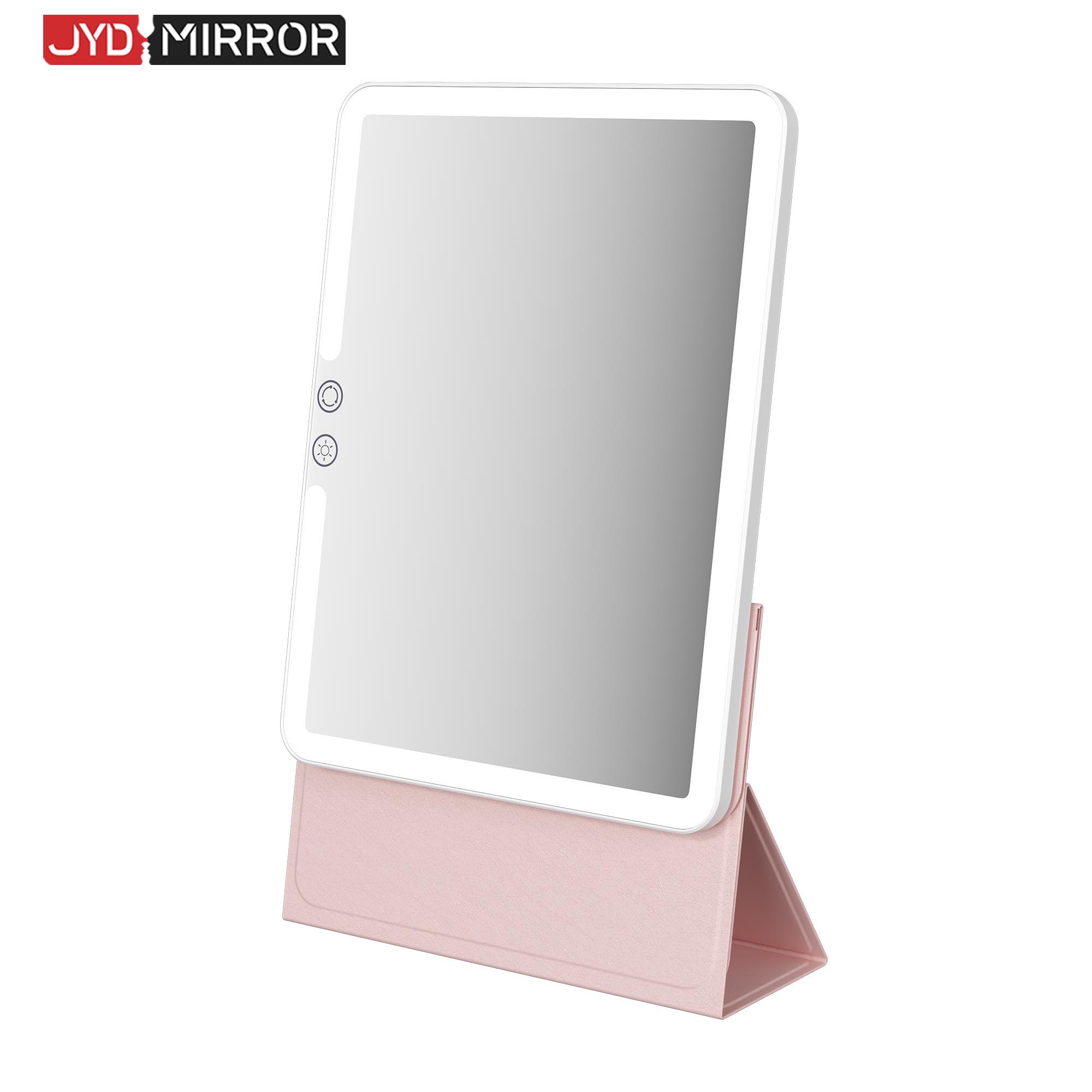
The choice between installing a single continuous mirror sheet or two separate units depends heavily on maintenance budgets, structural backing, and the targeted aesthetic. A single large continuous mirror creates an expansive, seamless appearance that can make smaller commercial restrooms feel larger. However, these large sheets are heavy, difficult to transport, and prone to silver spoilage along the bottom edge if moisture pools on the backsplash.
Specifying two separate units, such as high-durability frameless bathroom mirrors, simplifies installation and lowers replacement costs if a single section is damaged. Separate units also permit the integration of architectural wall finishes, sconce lighting, or specialized structural hardware between the active sink stations. The table below compares these two configurations across key commercial metrics.
| Specification Metric | Single Continuous Mirror | Dual Separate Mirrors |
|---|---|---|
| Installation Complexity | High; requires multiple installers and heavy adhesive. | Moderate; standardized mounting brackets. |
| Maintenance & Replacement | High cost; full sheet must be replaced if cracked. | Low cost; isolated replacement of single unit. |
| ADA Compliance Adaptability | Difficult to tilt; must be mounted flat. | Highly adaptable; one or both units can be tilted. |
| Structural Wall Load | Concentrated high load requiring continuous blocking. | Distributed load; easier to align with stud intervals. |
3. ADA Compliance and Vertical Mounting Guidelines
In public facilities, compliance with the Americans with Disabilities Act (ADA) is non-negotiable. According to ADA standards (Section 603.3), mirrors located above lavatories or countertops must be installed with the bottom edge of the reflecting surface no higher than 40 inches above the finished floor. The top edge of the reflecting surface must be at least 74 inches above the floor.
To accommodate both standing and seated users at a double vanity, designers often specify a taller vertical profile for a bathroom mirror. A height of 36 to 40 inches is standard. If the mirror must be mounted higher due to physical plumbing constraints, code compliance can be achieved by utilizing a manufactured tilt mirror system, which angles the glass forward by 3 to 5 degrees to expand the field of view for wheelchair users.
4. Structural Backing and Material Engineering
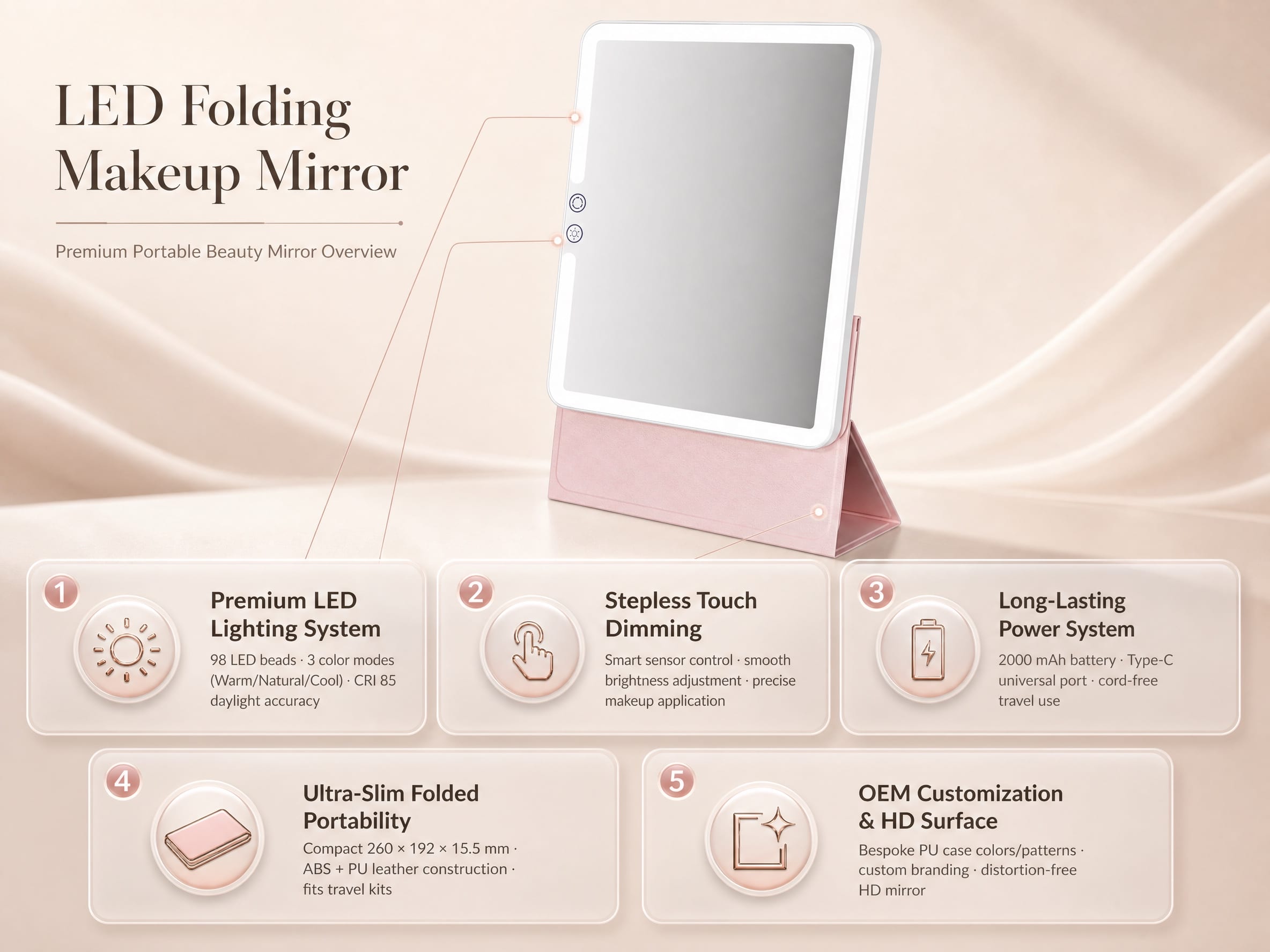
Commercial mirrors are significantly heavier than residential variants, primarily because they utilize thicker 1/4-inch (6mm) float glass to prevent the distorting "funhouse" effect over large surfaces. Glass of this thickness weighs approximately 3.2 pounds per square foot. Consequently, a dual 24" x 36" mirror setup exerts a combined dead load of roughly 38 pounds on the wall assembly.
Standard drywall with plastic anchors is insufficient for commercial installations. The wall construction must include minimum 2x6 wood blocking or 16-gauge metal runners behind the gypsum board at the exact height of the mounting brackets. Sourcing agents should also verify that the backing material consists of multi-layer silver backing protected by a copper-free, moisture-resistant coating. This prevents the chemical de-lamination and black-edge corrosion common in high-humidity commercial restrooms.
5. LED Driver Integration and Sizing Considerations
For modern commercial developments, illuminated and backlit mirrors are highly favored for their clean aesthetic and integrated task lighting. However, integrating LEDs adds thickness and electrical components that must be accommodated behind the glass. This depth can range from 1.5 to 2.5 inches, requiring careful spatial planning adjacent to faucets and soap dispensers.
When selecting a backlit bathroom mirror customization, the driver (transformer) must be accessible for maintenance. If the drivers are housed within an integrated metal chassis behind the glass, the overall mirror assembly will sit further off the wall. This requires sourcing teams to ensure that the mirror width does not interfere with side-mounted paper towel dispensers or high-arch commercial faucets, maintaining at least 2 to 3 inches of clear space around the perimeter.
Commercial Vanity Mirror Sizing FAQ
Q: What is the standard clearance between double vanity mirrors in commercial restrooms?
A: The standard clearance between two individual mirrors on a double vanity is typically 4 to 8 inches. This gap allows for visual separation, fits structural studs, and provides space for wall-mounted soap dispensers or light fixtures.
Q: Should commercial double sink mirrors be installed as one large unit or two separate units?
A: Two separate units are generally preferred in commercial settings. They are easier to install, significantly cheaper to replace if damaged, and allow for individual ADA tilting adjustments if necessary.
Q: How does ADA compliance affect the mounting height of commercial double vanity mirrors?
A: Under ADA guidelines, the bottom edge of the reflecting surface must be no higher than 40 inches above the floor, and the top edge must be at least 74 inches high. This ensures visibility for both seated and standing occupants.
Q: What are the standard structural support requirements for heavy-duty commercial vanity mirrors?
A: Commercial installations require solid backing, such as 2x6 wood blocking or heavy-duty metal studs, rather than simple drywall anchors. The mounting hardware must support a continuous dead load of 1/4-inch thick glass, which weighs roughly 3.2 pounds per square foot.
Q: How does LED driver placement impact the size selection of backlit commercial mirrors?
A: Internal LED drivers increase the depth of the mirror assembly, pushing the glass forward. Sourcing teams must ensure the mirror dimensions do not clash with high-spout faucets or surface-mounted commercial accessories due to this added depth.





