Nederlands
 Deutsch
 Español
  Français
 Русский
OEM vs. ODM: Partnering with a Bathroom Mirror Manufacturer for UK Residential Developments
Specifying fixtures for high-density UK residential developments requires balancing strict architectural aesthetics with rigorous electrical compliance and budget constraints. Choosing the right procurement pathway with a B2B manufacturer ensures that your projects remain on schedule and on budget. Understanding whether to leverage OEM or ODM models for your commercial builds can make the difference between a seamless installation and costly onsite delays.
1. Understanding OEM vs. ODM in Mirror Manufacturing
The choice between Original Equipment Manufacturing (OEM) and Original Design Manufacturing (ODM) dictates how much control you have over the structural design of your mirrors. OEM relies on the manufacturer executing your pre-engineered designs, technical CAD drawings, and specific material specifications. This pathway is ideal if your architectural firm has already finalized bespoke framing profiles or unique mounting structures.
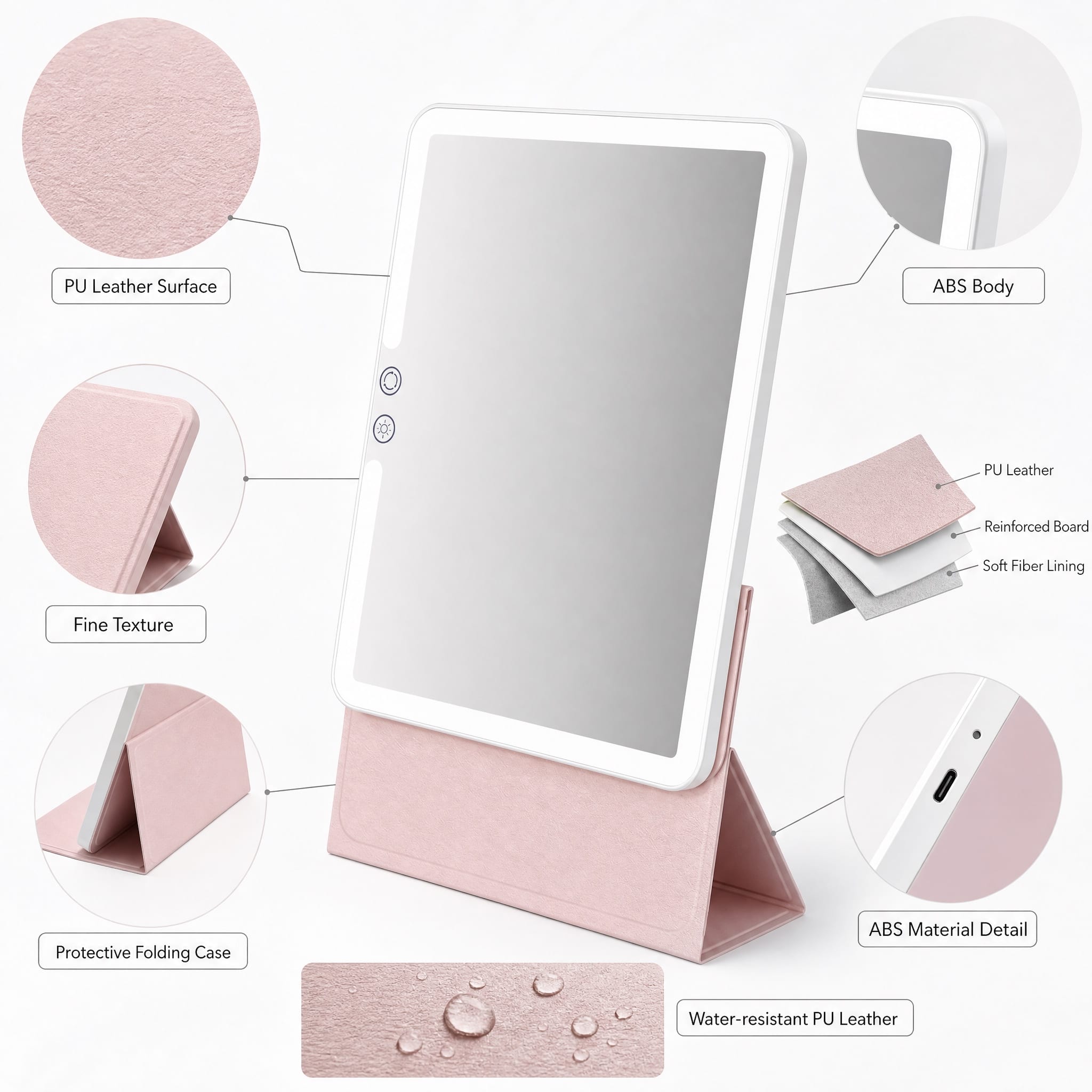
Conversely, ODM leverages the manufacturer's pre-existing, fully engineered product platforms, which can then be customized through cosmetic adjustments like sizing, finish, and features. Choosing an ODM partner for a standard Bathroom Mirror saves considerable time and eliminates early-stage research and development costs. However, if your development demands proprietary architectural shapes, opting for comprehensive Bathroom Mirror Customization under an OEM model is the superior route to ensure brand exclusivity and exact physical fits.
2. Evaluating Tooling Costs and the Financial Threshold
A primary point of friction for procurement managers is the initial tooling and mold fee associated with custom designs. Under an OEM partnership, designing a completely new aluminum chassis or a custom-molded plastic backbox requires dedicated tooling molds that can cost thousands of pounds before the first production run. For large-scale residential developments, these tooling costs amortize efficiently over hundreds of units, making a custom-engineered OEM mirror highly cost-effective.
For smaller developments or build-to-rent schemes with fewer than 150 units, the financial threshold shifts in favor of ODM. Modifying an existing manufacturer chassis allows you to add premium features like integrated demisters or custom led strip temperatures without paying for tooling. This approach avoids heavy upfront investments while still delivering premium finishes such as a Framed Bathroom Mirror or a minimalist Frameless Bathroom Mirrors system that fits the development’s design language.
3. Strict BS 7671 Wiring Compliance and IP Ratings for UK Bathrooms
All illuminated bathroom mirrors destined for UK developments must comply with BS 7671 wiring regulations, particularly concerning Zone 1 and Zone 2 bathroom boundaries. An experienced B2B manufacturer will design and build internal housings to meet IP44 water and dust ingress ratings as a standard. The mirror glass itself should feature premium copper-free silvering and high-performance backing protection to resist the humid environments typical of modern UK residential layouts.
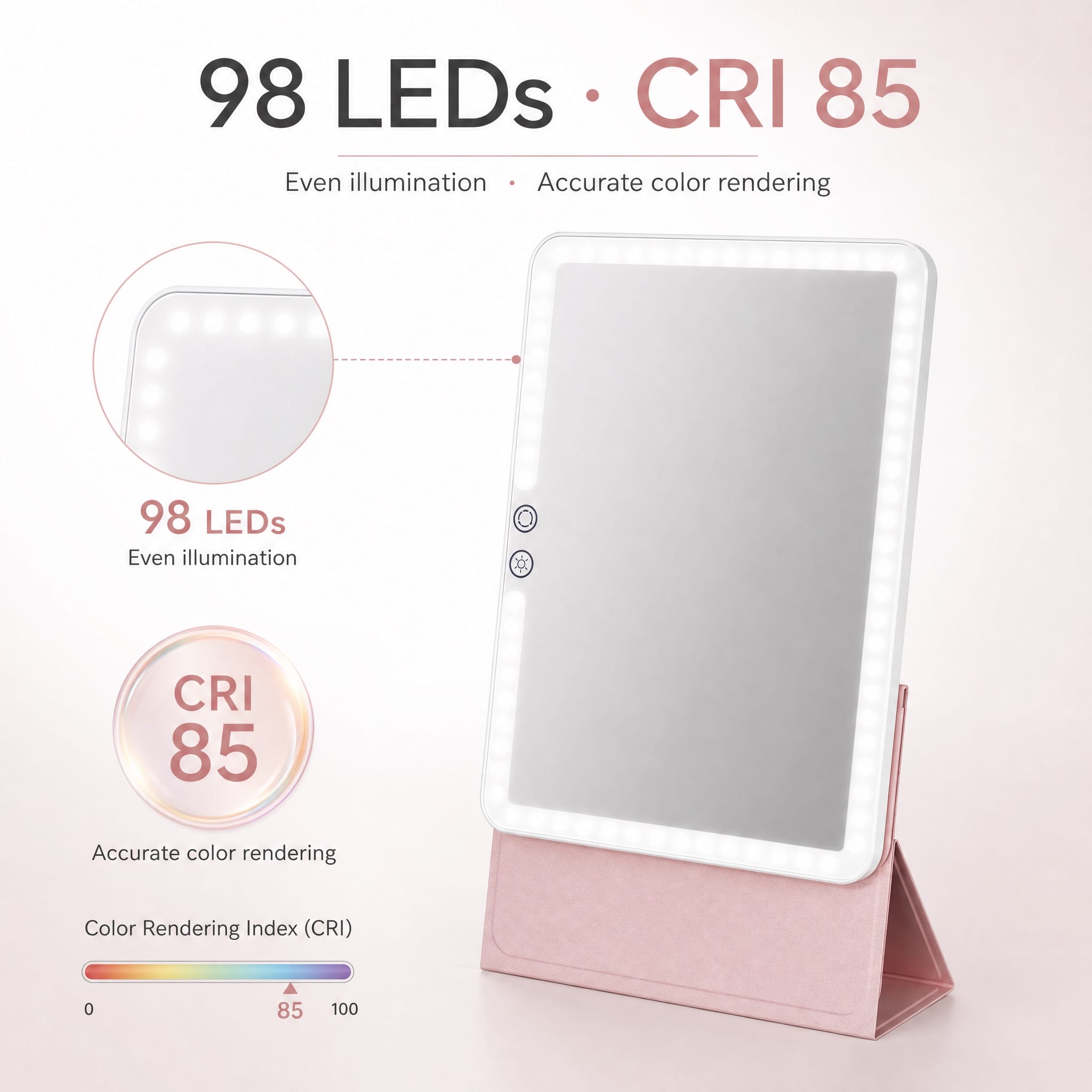
During the prototyping and CAD design phase, our internal quality control protocols test the thermal properties of LED driver housings. Longevity is guaranteed by sourcing certified components that dissipate heat efficiently behind the sealed mirror chassis. Whether you choose OEM or ODM, verifying that the manufacturer holds valid UKCA and CE certification is non-negotiable for smooth sign-off by local building control authorities.
4. Key Differences: Lead Times, MOQs, and Tooling Ownership
To help streamline your procurement planning, the following table contrasts the essential operational differences between OEM and ODM project pathways:
| Metric / Operational Parameter | OEM (Original Equipment Manufacturer) | ODM (Original Design Manufacturer) |
|---|---|---|
| Typical Lead Time | 12–16 weeks (including prototyping and tooling) | 6–8 weeks (utilizing pre-existing chassis designs) |
| Tooling & Mold Costs | Paid by Developer (significant upfront cost) | Minimal to None (absorbed by manufacturer) |
| Intellectual Property (IP) | Owned entirely by the developer / client | Owned by the manufacturer |
| Minimum Order Quantity (MOQ) | Typically higher (e.g., 200+ units per custom run) | Lower (e.g., 50–100 units depending on components) |
5. Selection Checklist for Procurement Managers
Before confirming your order with a mirror manufacturer, use this checklist to avoid common project pitfalls:
- Confirm if the mirror's driver housing is slim enough to sit flush within your specified wall recesses.
- Ensure that the copper-free glass is backed with safety shatterproof film to comply with UK safety standards.
- Verify that the manufacturer offers photorealistic 3D rendering and physical golden-sample prototyping before mass assembly.
- Establish clear agreements on mold ownership and maintenance schedules for OEM designs.
By conducting these due diligence checks early in the procurement phase, you protect your development schedule from unexpected regulatory friction or site installation delays.
6. Frequently Asked Questions
Q: What is the typical lead time difference between OEM and ODM bathroom mirrors for UK developments?
A: OEM orders generally take 12 to 16 weeks because they require custom CAD approvals, structural prototyping, and bespoke mold fabrication. ODM orders can be delivered in 6 to 8 weeks as they rely on standard pre-certified chassis and configurations.
Q: How do IP44 rating requirements affect OEM vs ODM mirror design for UK bathrooms?
A: For ODM, the manufacturer has already certified the internal housing to meet IP44 standards. For custom OEM mirrors, any changes to the chassis shape, cord exits, or sealing gaskets require testing to ensure moisture-tight sealing in UK Zone 2 environments.
Q: Who owns the intellectual property and tooling molds in an ODM mirror partnership?
A: In an ODM model, the manufacturer retains all intellectual property and ownership of the production molds. In an OEM agreement, the developer pays for and owns the proprietary designs and custom tooling molds.
Q: What are the minimum order quantities (MOQs) for custom-engineered smart mirrors in the UK?
A: OEM smart mirrors often require higher MOQs of 200 units or more due to unique components, while customized ODM models can often be procured with lower MOQs starting from 50 to 100 units.
Q: How does BS 7671 wiring compliance impact bespoke mirror installation in UK residential schemes?
A: It requires the mirror to have clear electrical cable entry points, proper double-insulated (Class II) wiring, and a sealed driver compartment to satisfy UK building inspectors during first and second-fix stages.