 Nederlands
 Deutsch
 Español
  Français
 Русский
OEM vs. ODM: Partnering with a Custom Bathroom Mirror Manufacturer for Bespoke Hospitality Projects
Sourcing luminaires and mirrors for high-end hospitality environments requires balancing architectural aesthetics, electrical safety, and structural longevity. For hospitality procurement teams, choosing between Original Equipment Manufacturer (OEM) and Original Design Manufacturer (ODM) pathways is a foundational decision that impacts project timelines, capital expenditure, and intellectual property. This guide breaks down the engineering, legal, and operational nuances of both manufacturing models for commercial guestroom mirrors.
1. Understanding OEM vs. ODM in Mirror Manufacturing
The distinction between OEM and ODM centers on who owns the design and engineering files. In an OEM arrangement, the hospitality developer or architect provides proprietary CAD files, 3D assets, or Revit BIM models to the manufacturer. The manufacturer serves as the production specialist, translating those exact specifications into finished physical products. Conversely, the ODM model utilizes the manufacturer's pre-engineered catalogs and internal R&D designs, allowing buyers to select existing configurations and apply light cosmetic branding or dimensional changes.
For projects requiring a specialized Bathroom Mirror Customization program, OEM is the standard choice for major hotel chains with strict, proprietary brand guidelines. ODM pathways, however, offer a fast-track solution for boutique or independent hospitality groups seeking high-end aesthetics without the overhead of bespoke engineering cycles.
2. Technical Engineering, Photometrics, and Compliance
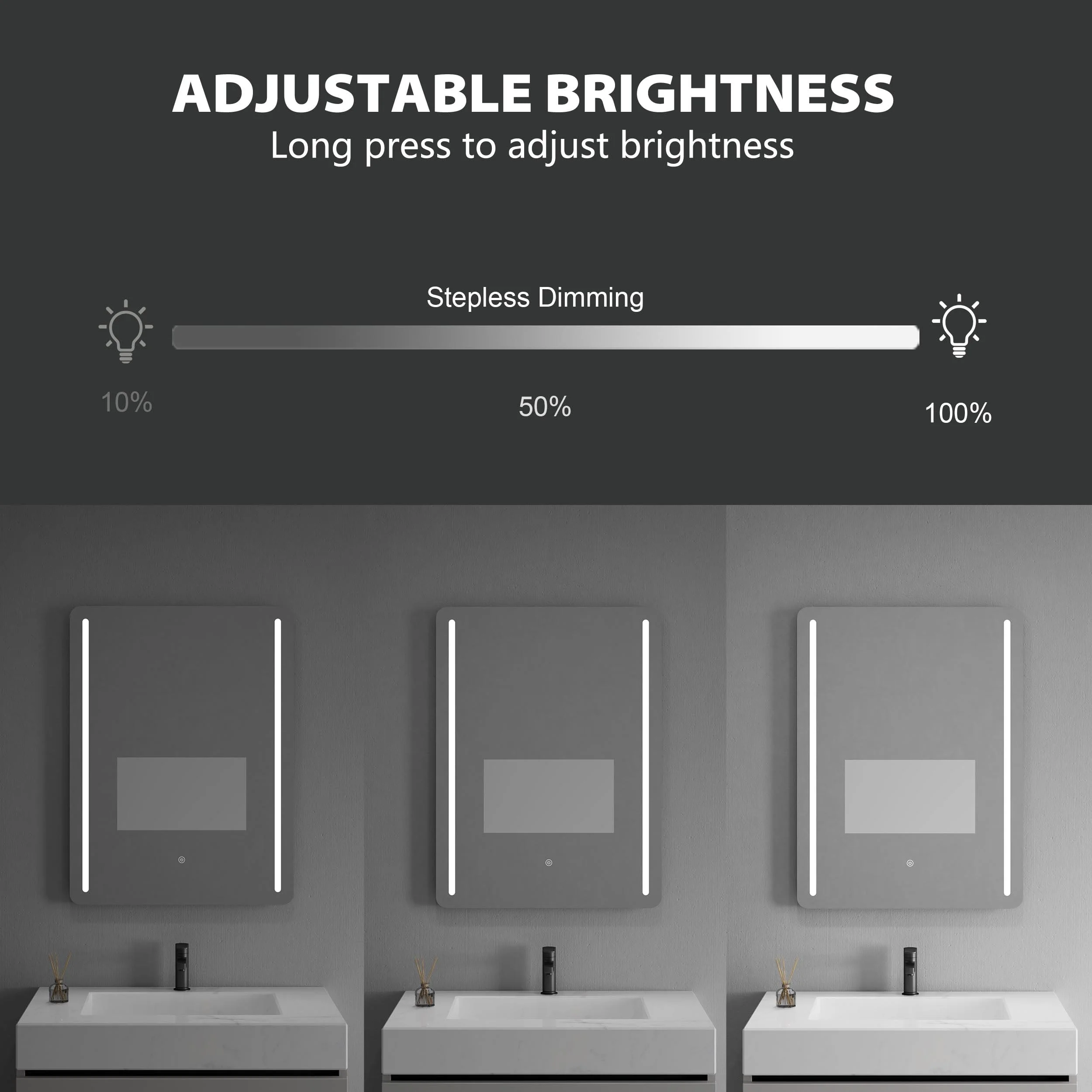
The engineering depth required for a commercial-grade mirror surpasses residential applications. For hospitality projects, key considerations include glass silvering quality, copper-free protective backing coatings, and wet-rated LED integration. Custom mirrors must withstand high humidity environments without silver deterioration or black-edge corrosion.
In terms of lighting, precise photometrics are critical. This involves selecting LEDs with high color rendering index (CRI >90) and R9 values to ensure natural skin tones. Heat management is equally vital; integrated defogger pads require calculated power consumption (typically 1.5 to 2.5 watts per square decimeter) to prevent thermal stress on the glass. Manufacturers must supply UL, cUL, CE, or RoHS certifications for all electrical components, ensuring the luminaire assemblies comply with local building codes.
3. Structural Mounting and Weight Distribution
Underestimating the physical weight of custom vanities and large-format mirrors can lead to installation failures on-site. The structural mounting system must distribute weight safely across standard metal or wood wall studs. Heavy, large-scale products like a premium Framed Bathroom Mirror or oversized back-lit options require custom-engineered French cleat systems or structural steel brackets.
OEM projects allow developers to co-engineer the mounting brackets with the factory to align perfectly with specific wall configurations on-site. In contrast, ODM mirrors rely on the manufacturer's standardized mounting patterns, which require the GC (General Contractor) to coordinate wall blocking beforehand to ensure safe, secure installation.
4. Comparing OEM and ODM Workflows
Selecting the appropriate pathway depends on the project's scale, budget, and design complexity. The table below outlines how these two manufacturing strategies compare across key procurement metrics.
| Metric | OEM (Original Equipment Manufacturer) | ODM (Original Design Manufacturer) |
|---|---|---|
| Design Ownership | Client owns all CAD, BIM, and IP designs. | Manufacturer retains foundational IP and patents. |
| Tooling & Mold Costs | High initial investment for custom extrusions/molds. | Minimal to none; utilizes existing tooling. |
| Minimum Order Quantity | Higher (typically 100+ units per custom run). | Lower; flexible for boutique properties. |
| Production Lead Time | Longer (8–12 weeks, plus prototype approval). | Shorter (4–6 weeks using pre-certified parts). |
| Certification Handling | Requires testing & certification for new designs. | Pre-certified (UL/CE/RoHS-approved models). |
5. Intellectual Property and Replacement Part Availability
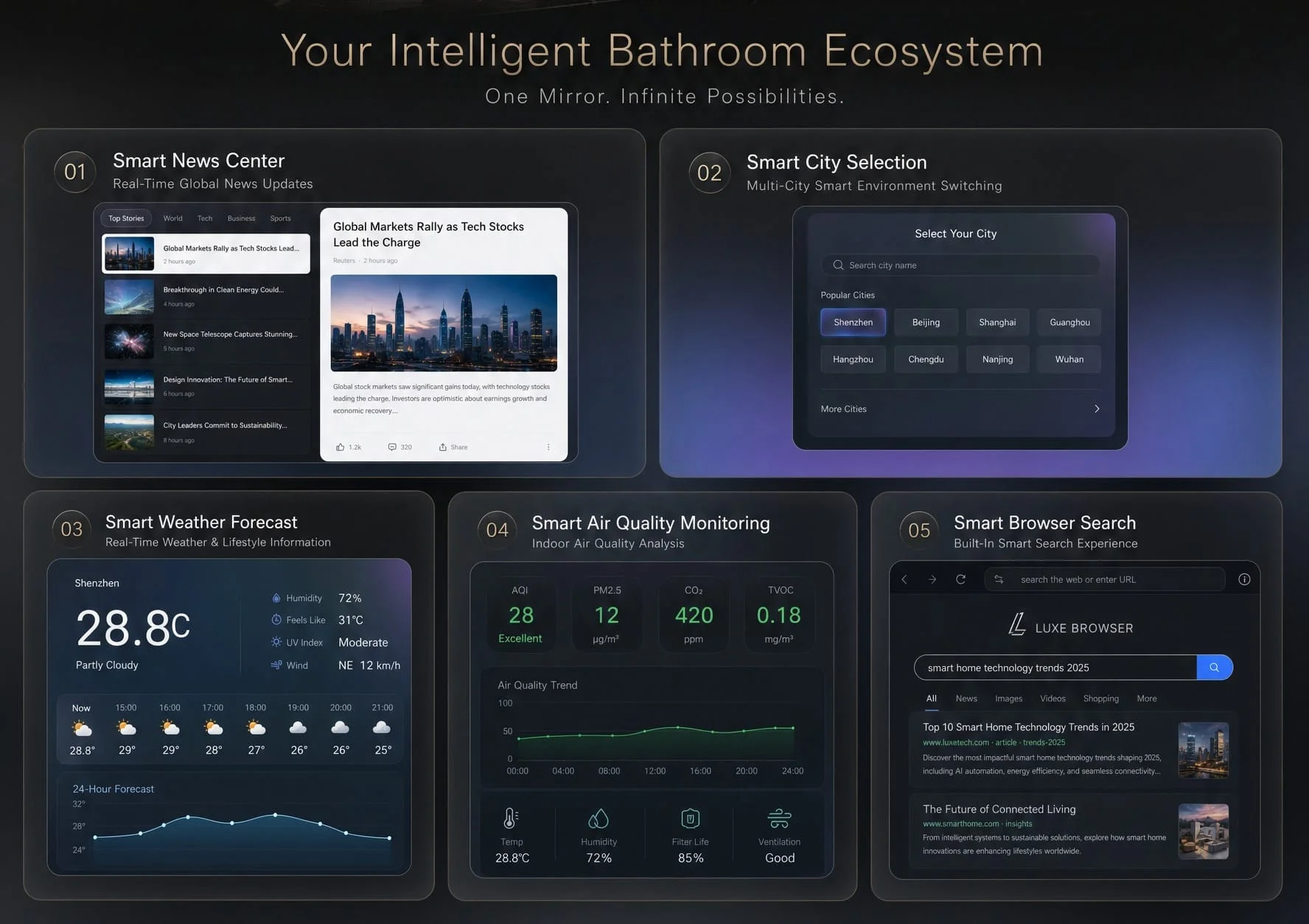
A critical point of failure in hospitality mirror procurement is the long-term availability of replacement parts. When purchasing a bespoke Bathroom Mirror via OEM, the buyer must secure a Bill of Materials (BOM) specifying the exact LED chips, drivers, and touch sensors used. Since the client owns the IP, they can contract other manufacturers for replacement parts if necessary.
For ODM products, the client is dependent on the manufacturer's proprietary supply chain. If a specific frame profile or LED diffuser design is discontinued by the manufacturer, future hotel renovations or repairs may require replacing entire units instead of individual components. Sourcing teams should establish clear service-level agreements (SLAs) regarding component availability for at least five years post-installation.
6. Sourcing Checklist for Hospitality Procurement Managers
To avoid common pitfalls such as shipping damage, field installation delays, or failed inspections, procurement teams should follow a structured selection process:
- Verify CAD Compatibility: Ensure the factory's engineering department natively supports BIM/Revit and AutoCAD files to avoid dimensional translation errors.
- Validate Electrical Testing: Request complete UL/cUL or CE test reports for the exact configuration ordered, rather than just reports for individual sub-components.
- Confirm Mirror Backing Specifications: Mandate copper-free, silver-backed mirror glass with a minimum thickness of 5mm to prevent early degradation.
- Audit Packaging Protocols: Ensure the manufacturer performs drop testing (ISTA 1A or 3A standards) to guarantee transit survival to the construction site.
- Establish IP Boundaries: Draft explicit agreements defining who owns the rights to custom frame designs, control interfaces, and specialized mounting hardware.
Frequently Asked Questions
Q: What is the difference between OEM and ODM for custom hospitality mirrors?
A: OEM uses the buyer's custom designs and engineering files, providing complete control over dimensions, materials, and IP. ODM uses the manufacturer's pre-existing, pre-certified designs with options for minor visual customization.
Q: How does ODM design ownership work for hotel bathroom mirrors?
A: In an ODM model, the manufacturer owns the intellectual property, design patents, and engineering configurations. The buyer receives a license to use and distribute the product, but cannot take the design files to another manufacturer.
Q: What are the minimum order quantities for OEM vs ODM mirror manufacturing?
A: OEM orders typically require higher MOQs (often 100+ units) to offset the costs of engineering, custom tooling, and machine setup. ODM orders can be produced in smaller batches because they utilize existing production lines and components.
Q: How do lead times compare between OEM and ODM mirror production?
A: OEM lead times are longer (usually 8 to 12 weeks) due to prototyping, engineering approvals, and testing. ODM lead times are shorter (typically 4 to 6 weeks) because they use pre-engineered designs and stocked components.
Q: Who handles the electrical and UL compliance in ODM mirror manufacturing?
A: The manufacturer handles all compliance and certifications for ODM mirrors. The products are pre-certified under the manufacturer's own listings, saving the buyer time and testing fees during the design phase.





