 Nederlands
 Deutsch
 Español
  Français
 Русский
How Smart Mirror Manufacturers Use AI to Enhance IoT Connectivity for Smart Building Projects
The integration of artificial intelligence into smart mirror hardware is revolutionizing how commercial building projects handle IoT connectivity. No longer just reflective surfaces, these devices now serve as centralized hubs that facilitate seamless communication between users and sophisticated building management systems. By leveraging edge computing and advanced machine learning models, manufacturers are overcoming traditional hurdles such as network latency, bandwidth limitations, and data privacy concerns.
AI-Edge Hardware Architecture and Local Processing
Technical documentation of edge-computing hardware architecture reveals that AI models are now embedded directly into the mirror’s local firmware. This transition from cloud-dependent processing to edge-AI allows the mirror to interpret sensor data, such as motion detection and voice commands, without transmitting raw data to external servers.
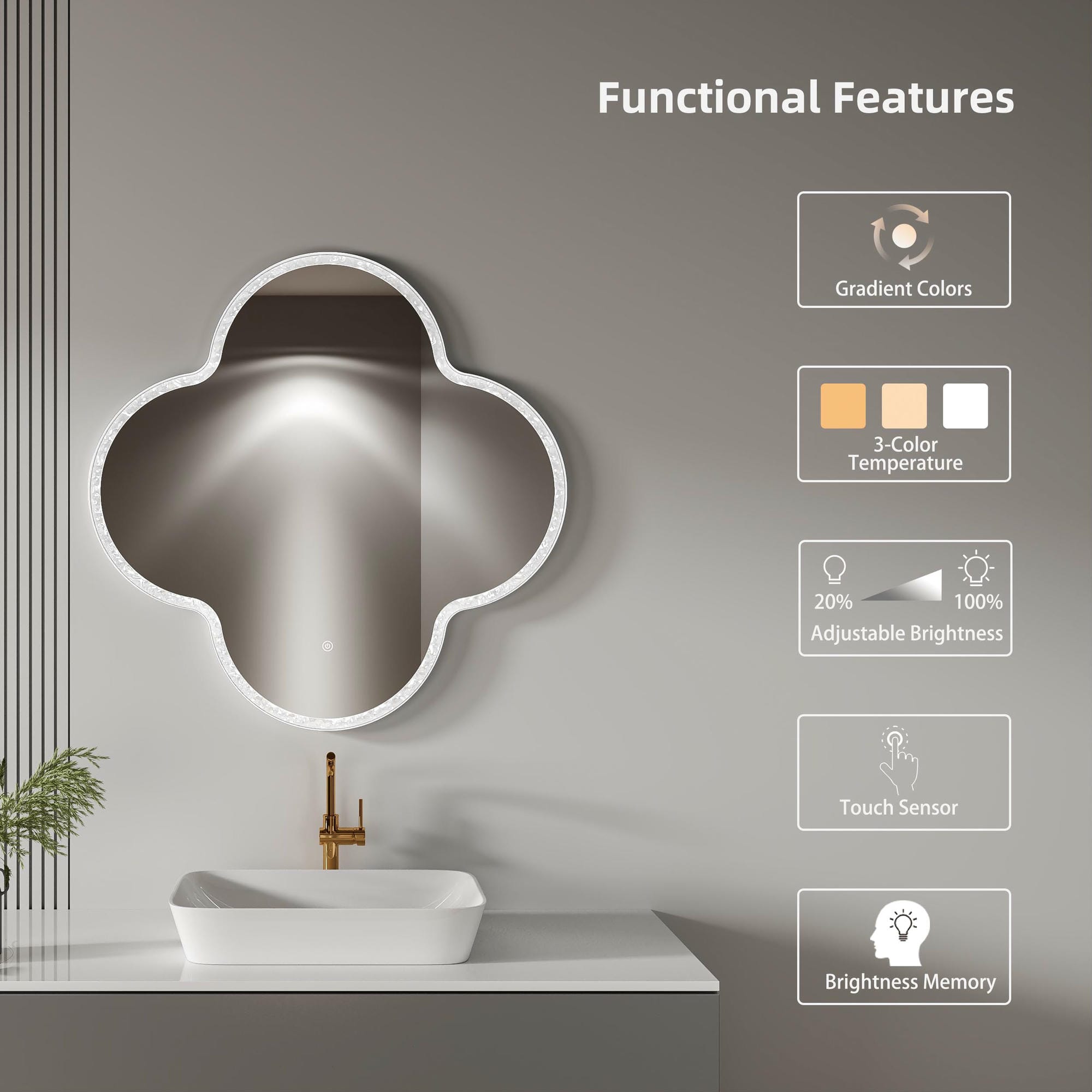
Implementing an Ai Smart Mirror solution allows for near-instantaneous response times, which is critical for maintaining user satisfaction in high-end residential and hospitality environments. By handling the heavy lifting of data processing locally, these mirrors ensure that core functionalities remain operational even during network outages.
Interoperability with Enterprise Building Management Systems
Real-world interoperability is a primary concern for architects and project managers working with enterprise protocols like BACnet or KNX. Modern AI mirrors are designed with hardware abstraction layers that allow them to interface directly with these systems, enabling the mirror to control HVAC, lighting, and security throughout a smart building.

When sourcing for luxury hospitality units, Bathroom Mirror Customization often involves the integration of specialized communication modules. These modules allow the mirror to serve as a visual dashboard for the room's environment, pulling real-time data from the building's central server while providing an intuitive interface for the guest.
Optimizing Energy Efficiency and Power Consumption
The power consumption implications of edge-AI processing in smart mirrors are mitigated through intelligent power-state management. AI algorithms monitor occupancy patterns and environmental light levels to adjust the mirror's operational state, ensuring that high-performance components are only active when necessary. This engineering-led approach prevents the thermal buildup often associated with constant AI processing, extending the lifespan of the internal electronics.
Bandwidth Management for Large-Scale Deployments
For large-scale building projects, bandwidth usage can become a bottleneck if hundreds of mirrors are constantly streaming data. AI optimizes this by utilizing event-based triggering; the mirror only initiates network communication when it detects a significant change in status or receives a specific user request. This significantly reduces the overhead on guest Wi-Fi or corporate networks in hospitality and office settings.
Scalability and Device Management across Multi-Floor Projects
Managing the deployment of smart mirrors across multiple floors requires a robust IoT management framework. Manufacturers provide cloud-based or local management consoles that use AI to monitor the health of every unit simultaneously. This allows maintenance teams to perform batch firmware updates and troubleshoot connectivity issues without physical access to each individual unit.
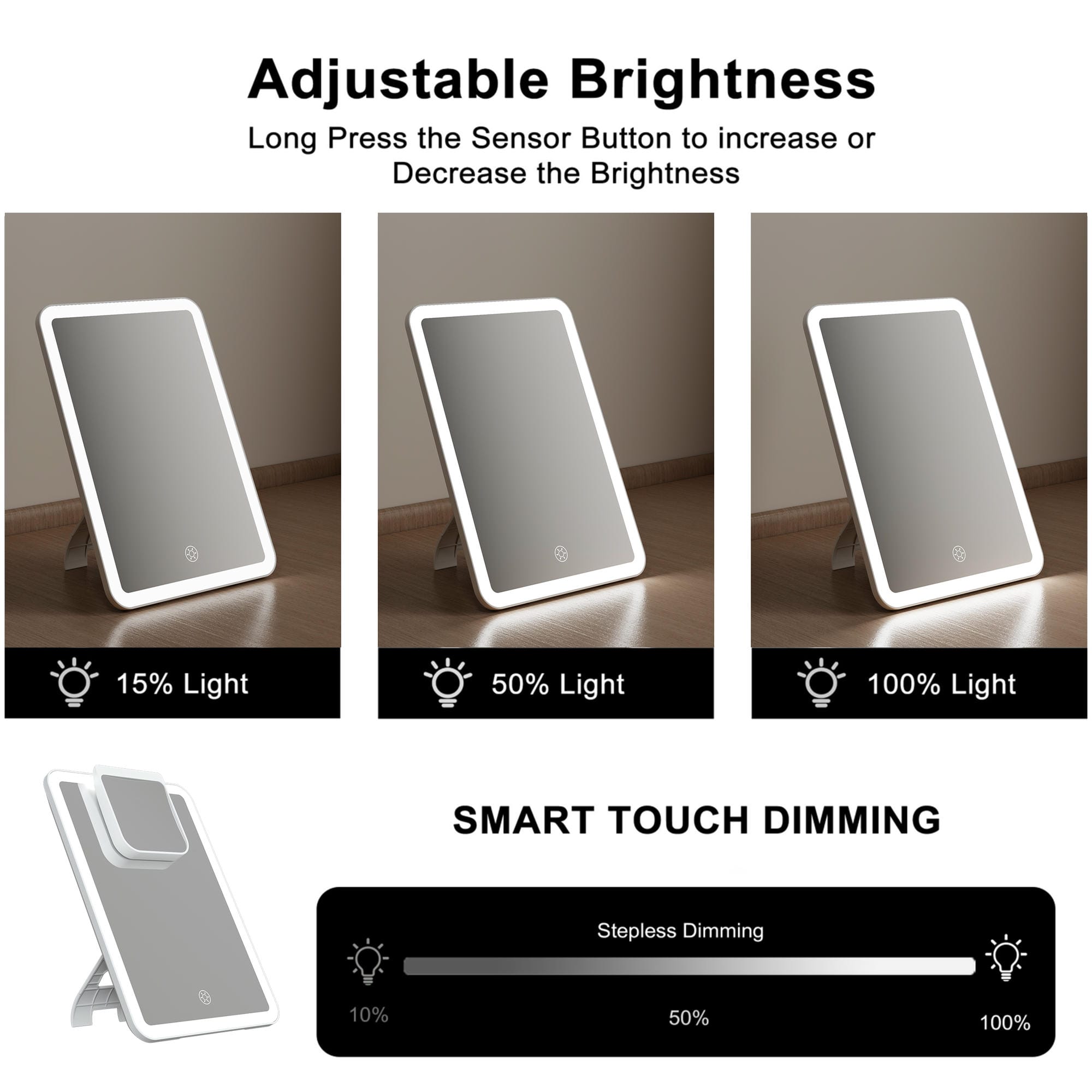
Large-scale developers often require Vanity Mirror Customization to ensure the AI hardware fits within specific wall cavity constraints while maintaining signal strength. By engineering mirrors with multi-protocol support—including Zigbee, Matter, and Wi-Fi—manufacturers ensure that the mirrors can adapt to the specific networking requirements of any smart building architecture.
| Feature | Standard IoT Mirror | AI-Enhanced Mirror |
|---|---|---|
| Network Latency | High (Cloud dependent) | Low (Edge processing) |
| BMS Interoperability | Limited / Manual setup | Native BACnet/KNX support |
| Data Privacy | External data transit | Local model execution |
| Bandwidth Load | Constant polling | Event-based reporting |
| Power Management | Always-on standby | AI-driven sleep cycles |
Q: How do AI-integrated mirrors interface with standard Building Management Systems (BMS)?
A: Manufacturers embed software adapters into the mirror's firmware that support industry-standard protocols like BACnet and KNX, allowing the mirror to act as both a sensor and a control node within the broader building ecosystem.
Q: What are the power consumption implications of edge-AI processing in smart mirrors?
A: While edge-AI requires active local processing, it reduces overall system power consumption by eliminating constant cloud communication and using predictive algorithms to manage the display's energy states during low-occupancy periods.
Q: Can AI-powered smart mirrors operate locally without cloud dependency for smart building privacy?
A: Yes, advanced mirrors are engineered to process all biometric and voice data locally on the device's hardware, ensuring that no sensitive user information is ever uploaded to the cloud.
Q: How does AI optimize bandwidth usage for large-scale mirror deployments in hospitality?
A: The AI interprets sensor inputs locally and only transmits compressed metadata to the building network when a specific event is triggered, preventing the network congestion that occurs with standard IoT polling.
Q: Which IoT communication protocols are most stable for AI mirror integration in high-rise projects?
A: For high-rise projects, manufacturers recommend mesh-capable protocols like Zigbee or the new Matter standard, as they provide the most reliable connectivity through thick concrete structures and across multi-floor environments.


