Nederlands
 Deutsch
 Español
  Français
 Русский
Space-Saving Solutions: Why Developers Opt for Integrated Bathroom Mirror Cabinets in Urban Micro-Apartments
In the rapidly growing sector of urban micro-apartments, developers and project managers face the dual challenge of maximizing limited square footage while controlling construction timelines and long-term maintenance costs. The bathroom, often the smallest room in the unit, requires smart architectural solutions to remain highly functional and visually appealing. Specifying a professional bathroom mirror cabinet has become a standard practice for commercial developers looking to optimize storage and streamline on-site labor.
Maximizing Usable Square Footage in Micro-Units
Urban micro-apartments demand space-saving engineering where every millimeter of depth counts. Traditional wall-hung mirrors offer no storage, forcing developers to install bulky vanity units that restrict floor space and movement within the bathroom.
By utilizing the wall cavity with a recessed or semi-recessed cabinet chassis, developers can provide substantial storage volume without encroaching on the room's physical footprint. This integrated approach preserves clean sightlines, makes compact bathrooms feel significantly larger, and satisfies tenant demands for highly functional living spaces.
Simplifying Trade Coordination and Reducing On-Site Labor
One of the primary drivers of total cost of ownership (TCO) in multi-family developments is trade coordination. Traditionally, installing a bathroom mirror, separate lighting fixtures, shaving sockets, and shelving required scheduling three different trades: carpenters, electricians, and tilers.
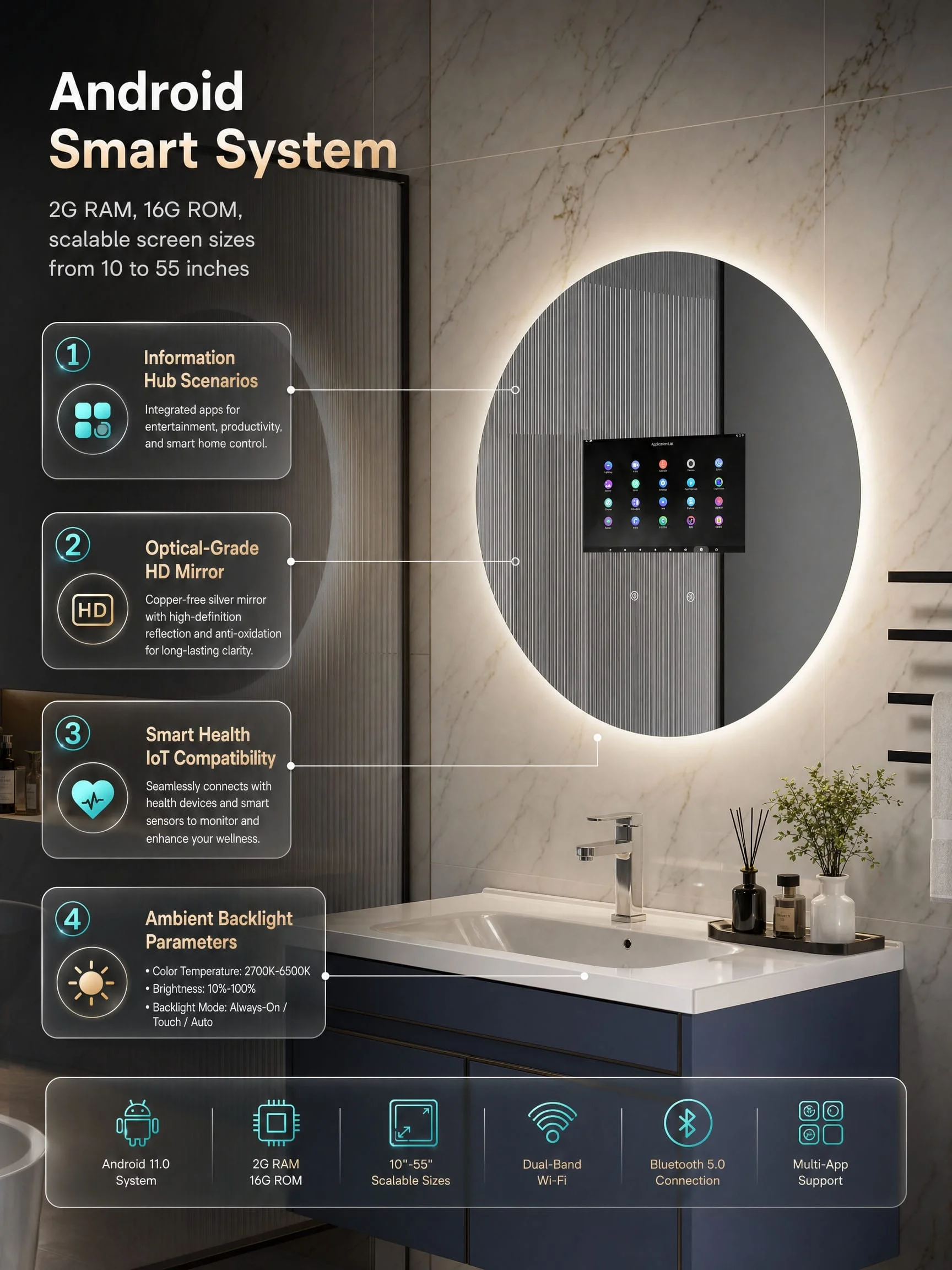
A pre-wired, pre-assembled factory-tested cabinet consolidates these components into a single product. Utilizing a commercial-grade bathroom mirror customization process allows developers to source units with pre-integrated LED lighting, demister pads, and internal sockets. This reduces on-site installation to a single trade step, cutting labor hours and minimizing scheduling delays on the construction floor.
Commercial-Grade Durability vs. Retail-Grade Cabinets
High-occupancy tenant turnover puts immense stress on bathroom fixtures. Retail-grade cabinets often utilize low-density MDF backboards and cheap hinge mechanisms that fail prematurely under humid conditions, leading to frequent maintenance calls and early replacement costs.
For commercial developments, specifying heavy-duty hardware is essential. Sourcing a bathroom mirror cabinet constructed with anodized aluminum or IP44-rated moisture-resistant materials ensures long-term wear resistance. High-grade Blum or DTC soft-close hinges, copper-free silver mirrors to prevent edge corrosion, and robust structural backboards protect the developer's capital investment over the building's life cycle.
Technical Comparison: Recessed vs. Semi-Recessed Cabinet Chassis
Choosing the correct chassis design depends heavily on the wall-cavity depth available within the modular construction setup. Below is a technical breakdown comparing fully integrated (recessed) and semi-recessed cabinet chassis configurations.
| Design Parameter | Fully Recessed Chassis | Semi-Recessed Chassis |
|---|---|---|
| Wall Cavity Requirement | Requires 100mm to 150mm stud depth. | Suitable for shallow 50mm to 75mm stud walls. |
| Visual Profile | Flush-mount seamless finish; completely flat. | Slight protrusion (approx. 50mm), easily disguised. |
| Installation Complexity | Higher framing precision required; limits plumbing runs. | Flexible installation; accommodates behind-wall services. |
| Storage Volume Impact | Maximized interior depth for bulkier items. | Moderate interior depth; balanced partition space. |
| Structural Loading | Weight supported directly by internal studs. | Requires rear wall-anchors and stud reinforcement. |
Strategic Features Driving High ROI in Micro-Unit Rentals
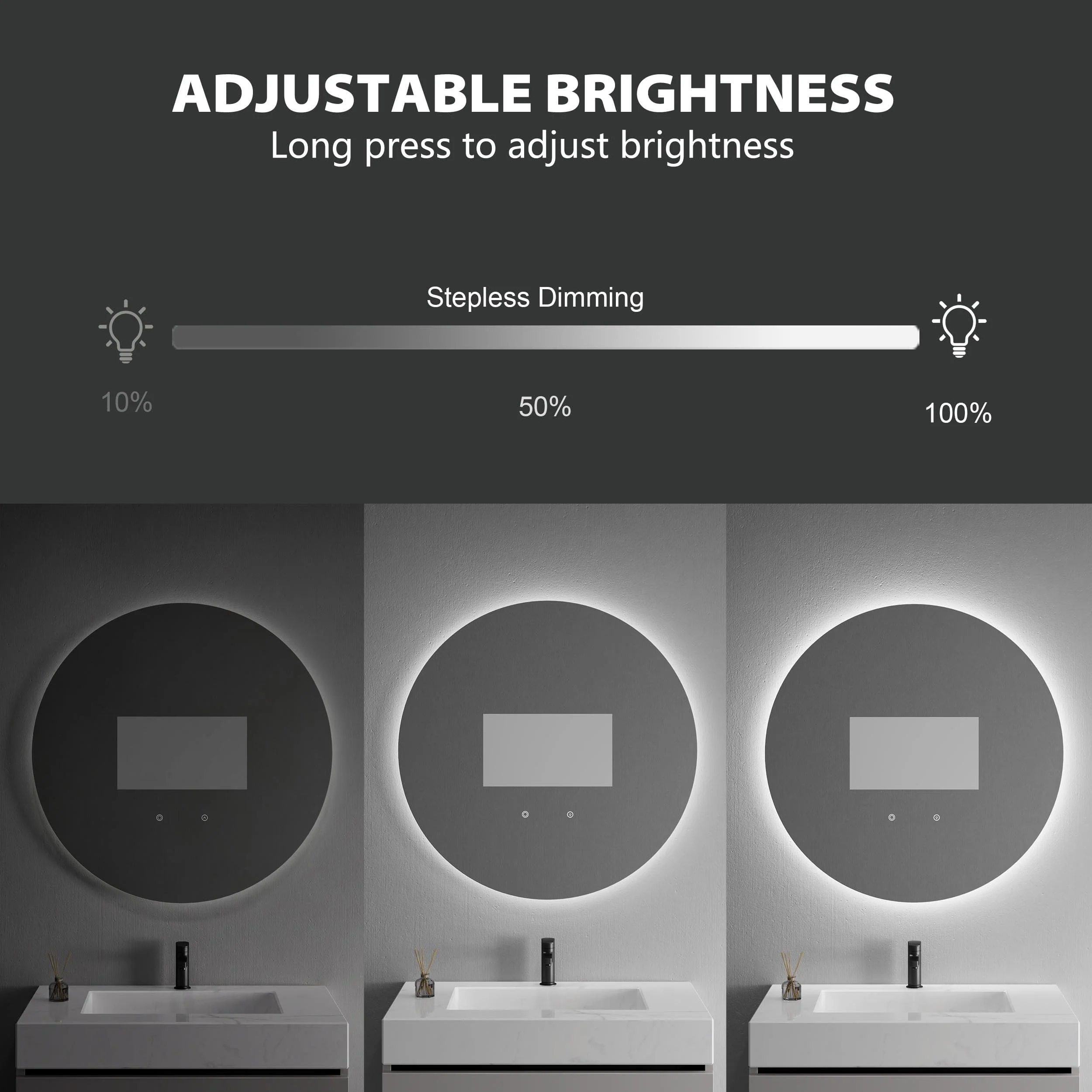
For volume developers targeting the build-to-rent (BTR) market, integrating premium functional features directly into the cabinet chassis can command higher monthly rents and lower vacancy rates. High-efficiency LED strip lights, built-in demisters, and dual-voltage shaver sockets eliminate the need for secondary wall fixtures.
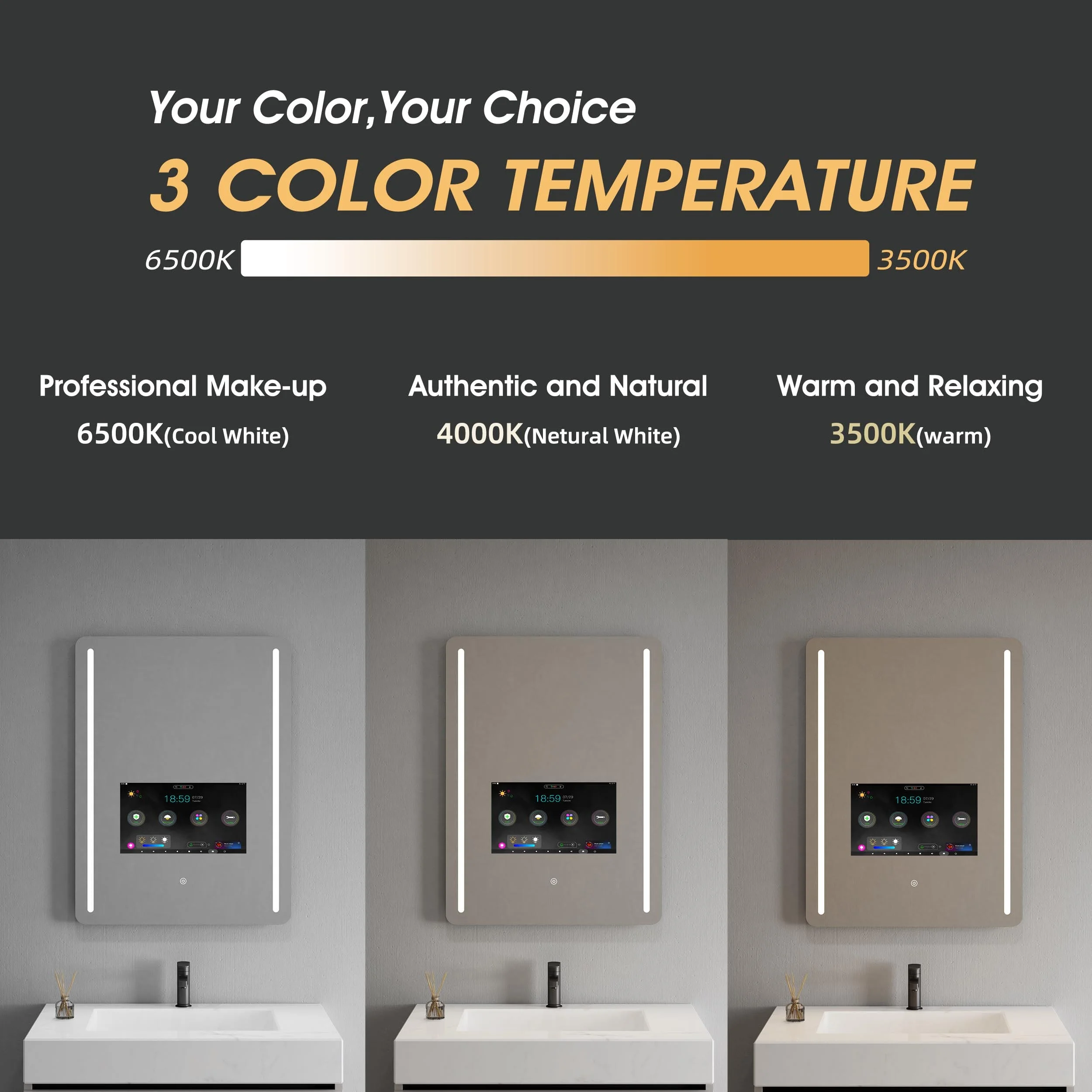
These features improve the end-user experience, making small apartments feel premium and highly functional. Partnering with manufacturers who specialize in custom commercial orders ensures these features are integrated efficiently during production, delivering a scalable solution that fits tight project budgets.
Selection Checklist for Project Sourcing Teams
- Confirm IP44 water-resistance certification for all electrical components and LED drivers.
- Verify hardware specifications, ensuring soft-close hinges are rated for at least 50,000 cycles.
- Assess the delivery format: choose pre-assembled shipping over flat-pack to minimize on-site assembly labor.
- Ensure the mirror backing features high-density copper-free coating to prevent humidity black-edge damage.
- Check that structural mounting brackets conform to the specific stud wall layouts used in the building design.
Frequently Asked Questions
Q: How do integrated mirror cabinets impact micro-apartment installation times?
A: Pre-assembled and pre-wired integrated cabinets reduce installation times by up to 50% compared to installing separate mirrors, lights, and shelving, as they consolidate multiple trade steps into a single mounting process.
Q: What are the structural load requirements for recessed versus wall-mounted mirror cabinets?
A: Recessed cabinets transfer weight directly onto the internal wall studs, making them highly stable. Wall-mounted cabinets require dedicated timber blocking behind the drywall to securely support the cabinet and prevent sagging over time.
Q: How do volume developers balance cabinet durability with unit-cost constraints?
A: Developers achieve this by sourcing directly from specialized manufacturers in bulk. Focusing budget on key wear points—such as aluminum frames and high-cycle hinges—while standardizing sizes keeps unit costs low without sacrificing longevity.
Q: Which built-in features (LED, demisters, sockets) offer the highest ROI for micro-unit rentals?
A: Integrated LED lighting and heated demister pads offer the highest perceived value to tenants, allowing landlords to market the micro-units as luxury living spaces while justifying premium rental rates.
Q: How does bulk shipping and flat-pack vs. pre-assembled delivery affect site logistics?
A: Flat-pack delivery lowers initial shipping costs but dramatically increases on-site labor and trash removal. Pre-assembled cabinets arrive ready to hang, vastly improving site logistics and speeding up the final fit-out phase of construction.