 Nederlands
 Deutsch
 Español
  Français
 Русский
Wholesale Lighted Bathroom Mirrors: How to Partner with the Right ODM Factory
Sourcing commercial-grade illuminated mirrors requires more than comparing unit prices from overseas suppliers. For wholesale buyers, hospitality developers, and brand owners, the true challenge lies in identifying an Original Design Manufacturer (ODM) capable of translating complex concepts into certified, durable, and mass-producible products. This guide provides a technical framework for evaluating an ODM partner's engineering capabilities, production workflows, and quality control standards.
Evaluating Engineering and CAD Translation Capabilities
A primary bottleneck in ODM partnerships is the transition from initial design to production-ready schematics. Many factories struggle to translate raw CAD drawings into functional LED glass designs without sacrificing optical quality or structural integrity.
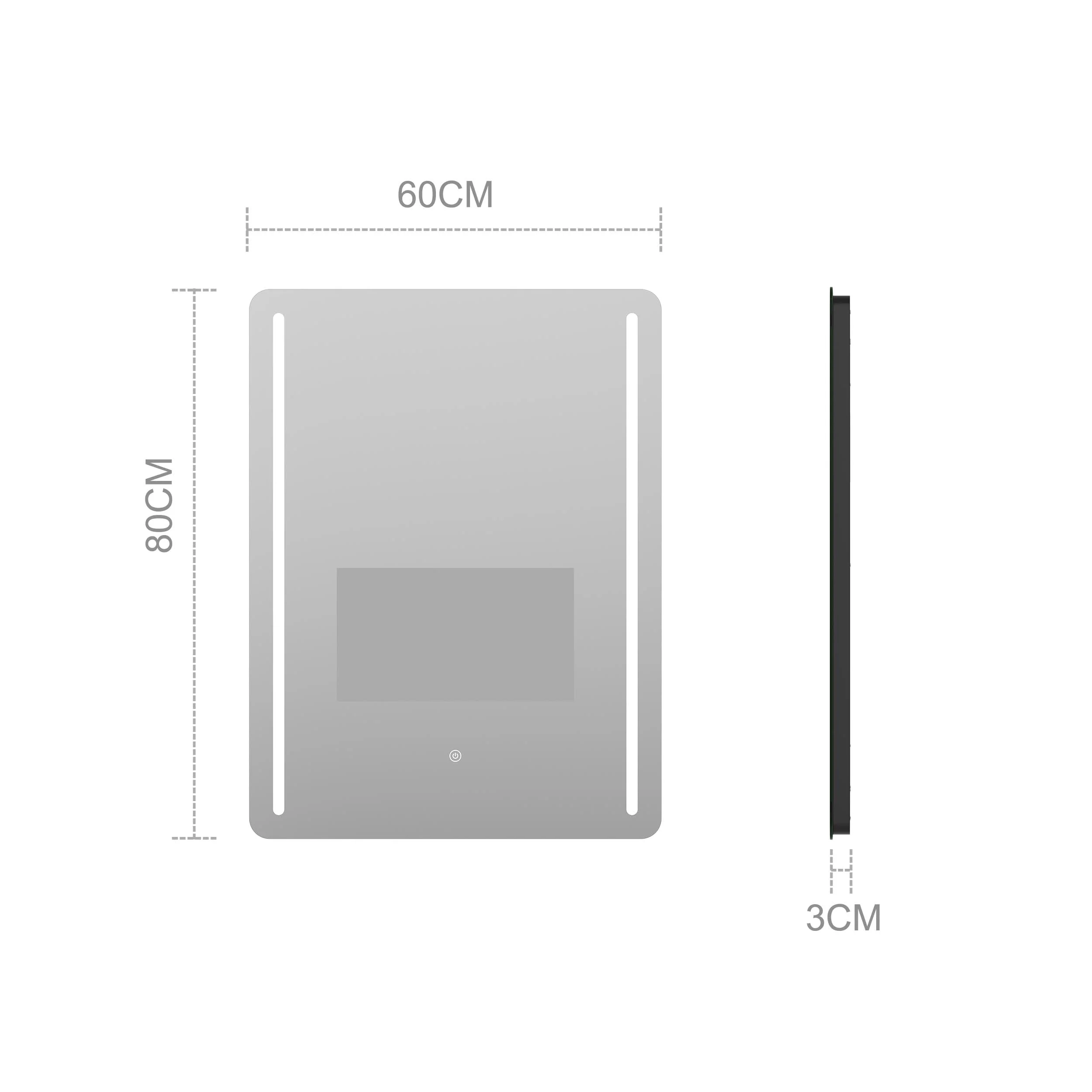
An experienced manufacturer utilizes advanced bathroom mirror customization workflows to calculate exact light diffusion angles, sandblasting widths, and LED placement. This engineering precision prevents hot spots and dark zones across the glass surface. During your technical evaluation, ask how the factory manages light leakage and whether their engineering team uses optical simulation software to optimize lumen output and color rendering index (CRI) values before tooling begins.
Glass Processing and Structural Frame Integrity
The core of any premium bathroom mirror lies in the raw material processing. Superior optical clarity requires high-grade float glass undergoing precise silvering chemistry to resist oxidation and copper-free backing to prevent black-edge corrosion over time.
Verify the factory's CNC glass cutting, beveling, and automated edge polishing capabilities. Beyond the glass, the structural frame must withstand high-humidity environments. Top-tier ODM factories use anodized aluminum alloy or powder-coated steel back structures rather than cheap plastics or untreated metals. These materials provide the necessary torsional rigidity to prevent warping while offering dedicated pathways for heat dissipation from the LED strips and internal drivers.
Comparing Manufacturing Models: OEM vs. ODM
Understanding how a potential partner structures their manufacturing services is essential for aligning project timelines and development budgets. While some buyers require simple contract manufacturing, others need full-service design integration.
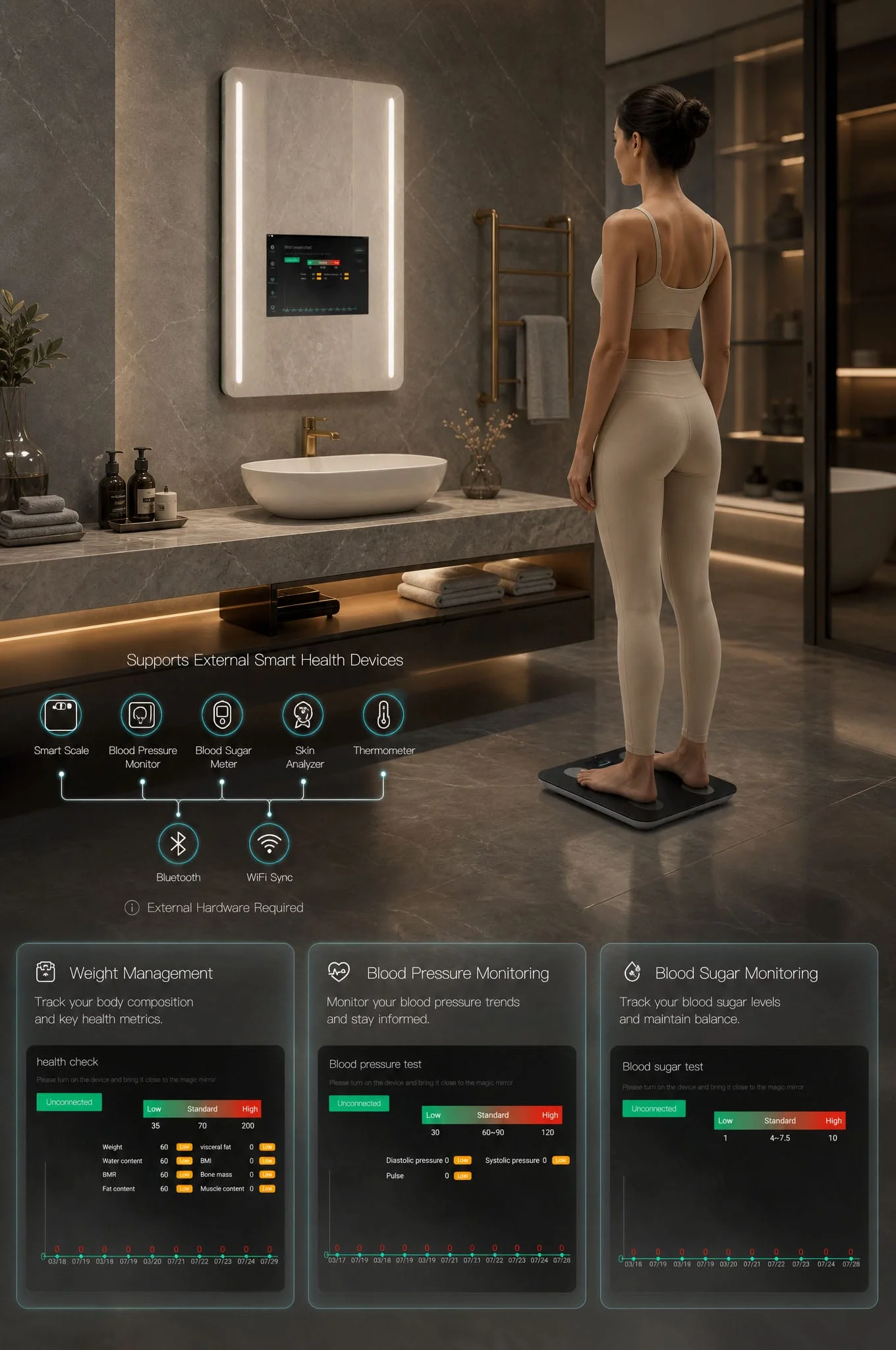
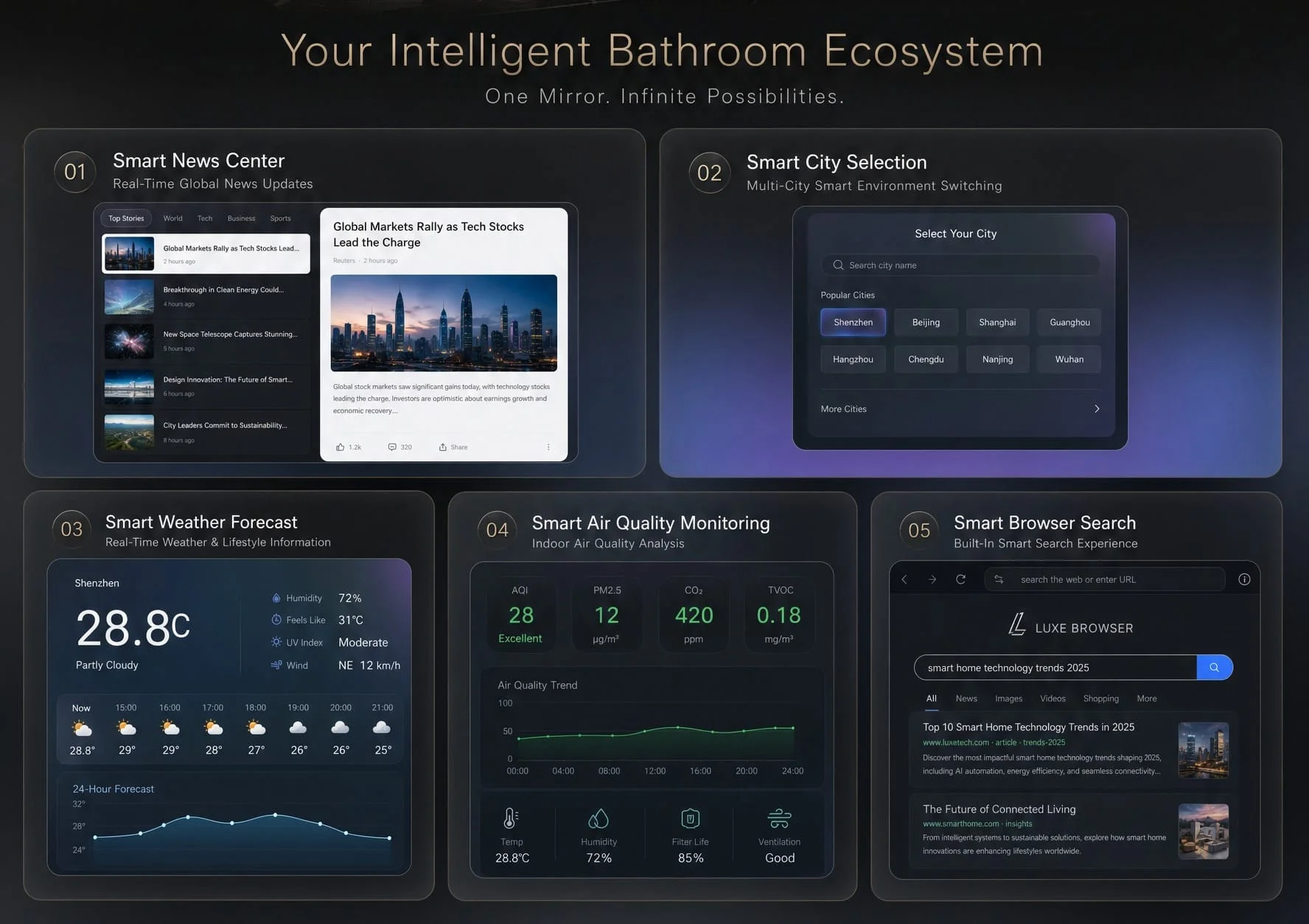
When sourcing specialized products like an ai tv bathroom mirror, the factory must handle complex software, sensor, and hardware integration. The table below outlines the key operational differences between OEM and ODM pathways to help guide your sourcing strategy.
| Feature / Metric | OEM (Original Equipment Manufacturer) | ODM (Original Design Manufacturer) |
|---|---|---|
| Design Ownership | Retained entirely by the buyer. | Shared or held by the manufacturer. |
| Tooling & Setup Cost | High upfront investment by buyer. | Lower or amortized into unit price. |
| Time-to-Market | Longer due to custom prototyping. | Faster; utilizes pre-engineered platforms. |
| Customization Depth | Unlimited, built from raw schematics. | Modular adjustments to existing designs. |
| Typical MOQ | Higher (typically 500+ units). | Flexible (typically 100-200 units). |
Electronic Integration and Safety Compliance
Because lighted mirrors combine water exposure with electrical currents, safety certification is non-negotiable. ODM factories must demonstrate deep expertise in internal electrical layout engineering. This includes the integration of certified, constant-voltage LED drivers, defogger heating pads, and touch sensors.
Verify that the factory isolates all electrical connections within a sealed, UL-listed or CE-compliant junction box on the rear of the chassis. Sourcing teams must demand valid documentation for regional compliance (such as UL, ETL, CE, RoHS, or SAA). A reputable partner will willingly provide test reports detailing thermal testing under continuous load, ensuring the defogger and LED drivers do not overheat behind the mirror pane.
Quality Assurance and Logistics Risk Management
Sustaining a successful import program relies heavily on the physical protection of fragile cargo. Glass breakage during transit can quickly erase any margin gains achieved through offshore sourcing.
Inquire about the factory's packaging engineering. High-volume ODM suppliers should utilize drop-tested packaging (ISTA 1A or 3A standards) featuring high-density polyethylene (PE) foam corners, heavy-duty corrugated outer cartons, and reinforced palletization. Furthermore, ensure their internal quality control follows standardized Acceptable Quality Limit (AQL) guidelines, checking for micro-scratches, silvering pinholes, and color temperature consistency across every production run.
Sourcing FAQ
Q: What are the structural differences between OEM and ODM lighted mirror manufacturing?
A: OEM manufacturing requires the buyer to provide complete, proprietary engineering schematics and CAD files for the factory to build to print. ODM manufacturing leverages the factory’s pre-engineered designs, internal chassis structures, and electronics layouts, allowing buyers to customize external features like dimensions, sandblasting patterns, and frame finishes with lower R&D costs.
Q: How do wholesale buyers verify waterproof ratings (IP44 vs IP65) for commercial bathroom mirrors?
A: Buyers should request official test reports from third-party testing laboratories (such as SGS, TUV, or Intertek). An IP44 rating ensures protection against water splashes from any direction, which is standard for residential bathrooms. IP65 ratings indicate protection against water jets, making them suitable for high-exposure hospitality or wet-room environments.
Q: What is the standard lead time for custom LED mirror prototype development in an ODM contract?
A: For typical ODM projects, prototype development takes between 10 to 15 working days. This timeline includes preparing the custom CAD layout, CNC glass cutting, sandblasting, aluminum frame fabrication, electrical component installation, and initial safety and illumination testing before dispatching the sample to the buyer.
Q: How do factories manage risk when shipping bulk glass and mirror orders overseas?
A: Professional factories mitigate breakage risk by using custom-engineered packaging that meets ISTA 3A drop-test standards. This includes thick EPE foam edge protectors, vacuum-sealed plastic wrap to prevent moisture ingress, heavy-duty honeycomb cardboard box structures, and reinforced plywood crates or pallets equipped with anti-tipping indicators for container loading.
Q: What defect rate is acceptable under standard AQL guidelines for wholesale lighted mirrors?
A: Most commercial B2B contracts operate under AQL 1.0 (Critical), AQL 2.5 (Major), and AQL 4.0 (Minor) guidelines. Critical defects, such as electrical hazards or glass cracks, have a 0% tolerance. Major defects affecting functionality (e.g., localized LED failure or touch sensor malfunction) are restricted to 2.5% or lower per batch, while minor cosmetic defects on the back chassis are limited to 4.0%.





