Nederlands
 Deutsch
 Español
  Français
 Русский
B2B Sourcing Guide: Integrating Dual-Voltage Shaver Sockets into Commercial LED Mirror Cabinets
Integrating dual-voltage shaver sockets into commercial LED mirror cabinets is a critical requirement for high-end hospitality, commercial, and residential construction projects. Global travelers expect seamless connectivity for personal grooming devices, which requires engineering teams to balance high-voltage safety standards with ultra-slim product profiles. This guide analyzes the technical requirements, structural challenges, and sourcing criteria necessary to successfully deploy these advanced fixtures at scale.
1. Technical Architecture of Dual-Voltage Isolation Transformers
The core of any commercial dual-voltage shaver socket is the safety isolation transformer. This component isolates the output current from the mains supply, significantly reducing the risk of electric shock in wet environments. The transformer must convert the primary voltage (typically 220-240V in Europe and Asia) into a dual-voltage secondary output of 115V and 230V.
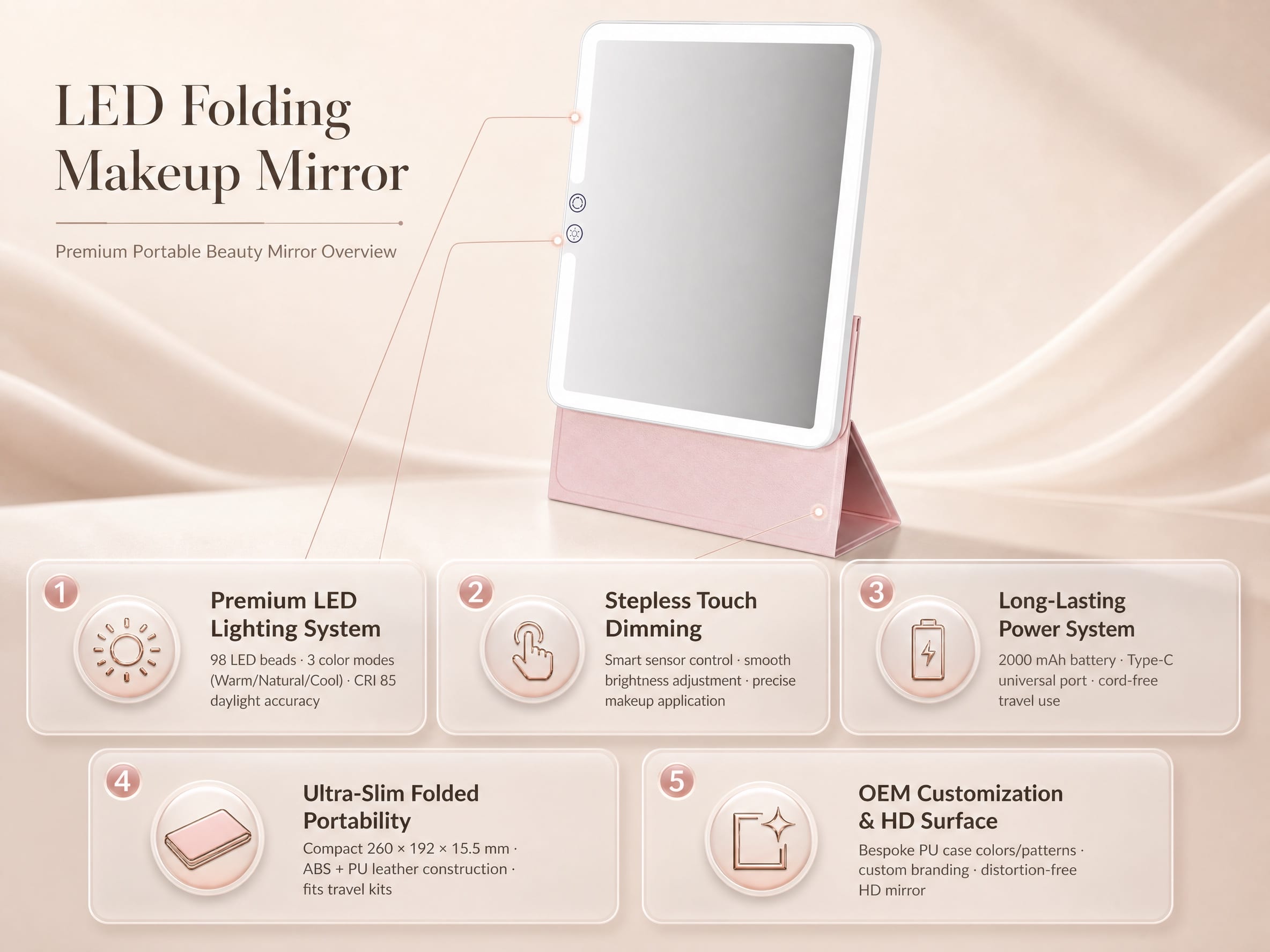
To maintain structural integrity within a premium led shaving mirror cabinet, the transformer must feature a thermal overload protection switch that automatically cuts power if the temperature exceeds safe operating limits. This prevention mechanism is essential because isolation transformers produce heat during operation, which can degrade internal LED drivers if not properly managed.
2. Spatial Integration and Slim-Chassis Constraints
Modern architectural design trends favor ultra-slim profiles for recessed and surface-mounted LED mirror cabinets. Integrating a bulky dual-voltage shaver socket assembly with its associated transformer, wiring harness, and internal housing presents a significant engineering challenge.
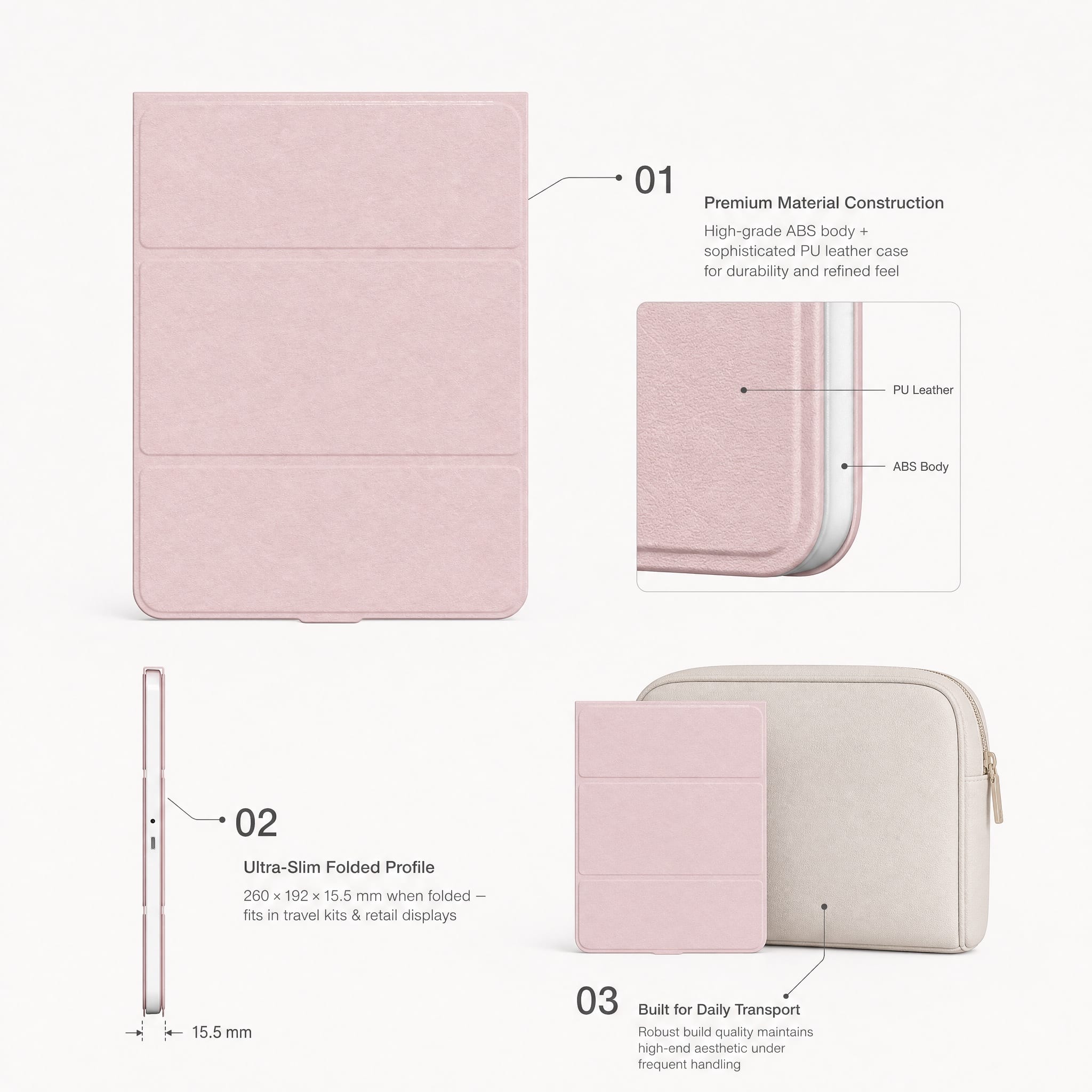
To resolve this, manufacturers utilize custom-molded, shallow-profile back boxes. The internal chassis layout must allocate dedicated, ventilated compartments for the transformer, separating it from the sensitive electronics used in vanity mirror customization. Correct positioning of venting slots ensures that rising thermal energy bypasses the LED driver modules, preserving the overall lifespan of the light source.
3. IP Ratings and Wet Vanity Safety Clearance
Bathroom environments require strict adherence to ingress protection (IP) ratings to ensure user safety. In commercial applications, a mirror cabinet must typically meet IP44 standards, protecting the unit from splashing water from any direction.
Adding an open socket aperture directly threatens this safety rating. Engineers overcome this by utilizing spring-loaded splashproof covers and internal silicone gaskets that seal the socket chamber from the rest of the cabinet housing. In addition, the electrical layout must conform to strict local safety clearance zones, keeping high-voltage components at safe distances from direct water sources like basins and faucets.4. Comparing Shaver Socket Specifications
When selecting a manufacturer for custom commercial projects, evaluating the electrical and physical limitations of the socket assembly is crucial. The table below outlines the primary configurations available in professional-grade mirror cabinets.
| Specification Parameter | Standard Configuration | Premium Commercial Grade |
|---|---|---|
| Primary Input Voltage | 220V - 240V AC (50Hz) | Universal 110V - 240V AC (50/60Hz) |
| Dual Output Sockets | 115V & 230V (Manual Switch) | 115V & 230V (Auto-switching Interlock) |
| Maximum Power Rating | 20VA (Shavers Only) | 50VA (Shavers and Electric Toothbrushes) |
| Minimum Cabinet Depth | 140mm to 150mm | Ultra-slim 110mm to 120mm |
| Thermal Protection | Standard Fuse | Auto-Reset Thermal Overload Cut-out |
5. Selection Checklist for Procurement Managers
To avoid common quality pitfalls during mass production, purchasing teams should utilize a strict engineering checklist before confirming orders for LED mirror cabinets with integrated shaver sockets:
- Certification Verification: Ensure the socket assembly carries BS EN 61558-2-5 or equivalent international certifications for isolation transformers.
- Moisture Mitigation: Confirm the presence of internal silicone potting or secondary plastic enclosures for the electrical connections.
- Customization Options: Work with manufacturers who offer bespoke structural layouts, such as bathroom mirror customization, to ensure precise socket placement.
- Load Limits: Ensure that the internal wiring harnesses can support prolonged charging cycles for modern high-capacity electric toothbrushes without overheating.
Frequently Asked Questions
Q: What are the safety clearance requirements for integrating dual-voltage sockets in wet vanity environments?
A: Sockets must be installed outside of Zone 1, typically in Zone 2 or beyond, which requires a minimum distance of 0.6 meters from the edge of the bath or shower basin, unless integrated within an IP44-rated cabinet enclosure with automatic isolating capabilities.
Q: How does adding a shaver socket affect the IP rating of a commercial LED mirror cabinet?
A: Integrating an open socket risks lowering the cabinet's rating. To maintain an IP44 rating, the socket must feature an auto-closing splashproof cover, internal rubber gaskets, and a fully sealed backbox that isolates the mains connection from environmental moisture.
Q: What are the electrical load limitations for dual-voltage shaver isolation transformers?
A: Standard shaver isolation transformers are limited to 20VA to prevent users from plugging in high-wattage appliances like hair dryers. For high-end commercial projects, premium 50VA transformers are recommended to support modern electric toothbrushes.
Q: How do 115V and 230V switching mechanisms function in commercial shaver sockets?
A: Modern commercial shaver sockets feature mechanical or electronic interlock systems that prevent simultaneous use. When a plug is inserted into the selected voltage port, the opposing port is physically or electrically disconnected to prevent overloads.
Q: What depth constraints do dual-voltage sockets impose on slim-profile LED mirror cabinet chassis?
A: Standard isolation transformers require at least 140mm of depth. However, using high-efficiency toroidal transformers and specialized horizontal chassis layouts, advanced manufacturers can achieve slim cabinet profiles of 110mm to 120mm.