 Nederlands
 Deutsch
 Español
  Français
 Русский
Retrofitting with Ease: Specifying Battery-Operated LED Bathroom Mirrors for Historic Hotel Renovations
Preserving the architectural integrity of historic hotels during a modern guestroom renovation presents unique engineering and regulatory challenges. Upgrading bathrooms with modern lighting often requires invasive rewiring that can irreparably damage historic lath-and-plaster wall substrates or violate strict preservation guidelines. Battery-operated LED mirrors have emerged as a highly viable, non-destructive alternative, allowing hospitality properties to deliver contemporary luxury without compromising historical building fabric.
The Preservation Challenge: Avoiding Invasive Conduit Runs
Historic hotel renovations must comply with strict local and national preservation standards, which often prohibit cutting into original structural elements or runing new electrical conduits through protected walls. Standard hardwired lighting retrofits require trenching plaster walls or dropping ceilings, which adds massive labor costs and risking structural cracking. Utilizing a high-quality Bathroom Mirror powered by an engineered battery system completely bypasses the need for behind-the-wall high-voltage electrical lines, making it the preferred choice for historic preservation architects.
Engineering Battery Duty Cycles and Lumen Output
When specifying battery-powered fixtures for high-traffic hospitality environments, engineers must balance illuminance with energy consumption. Standard commercial mirrors typically target an output of 800 to 1,200 lumens for proper facial illumination, but constant operation at this level will drain standard batteries rapidly. To optimize performance, commercial-grade systems utilize high-efficiency LEDs combined with integrated passive infrared (PIR) motion sensors or auto-off timers.
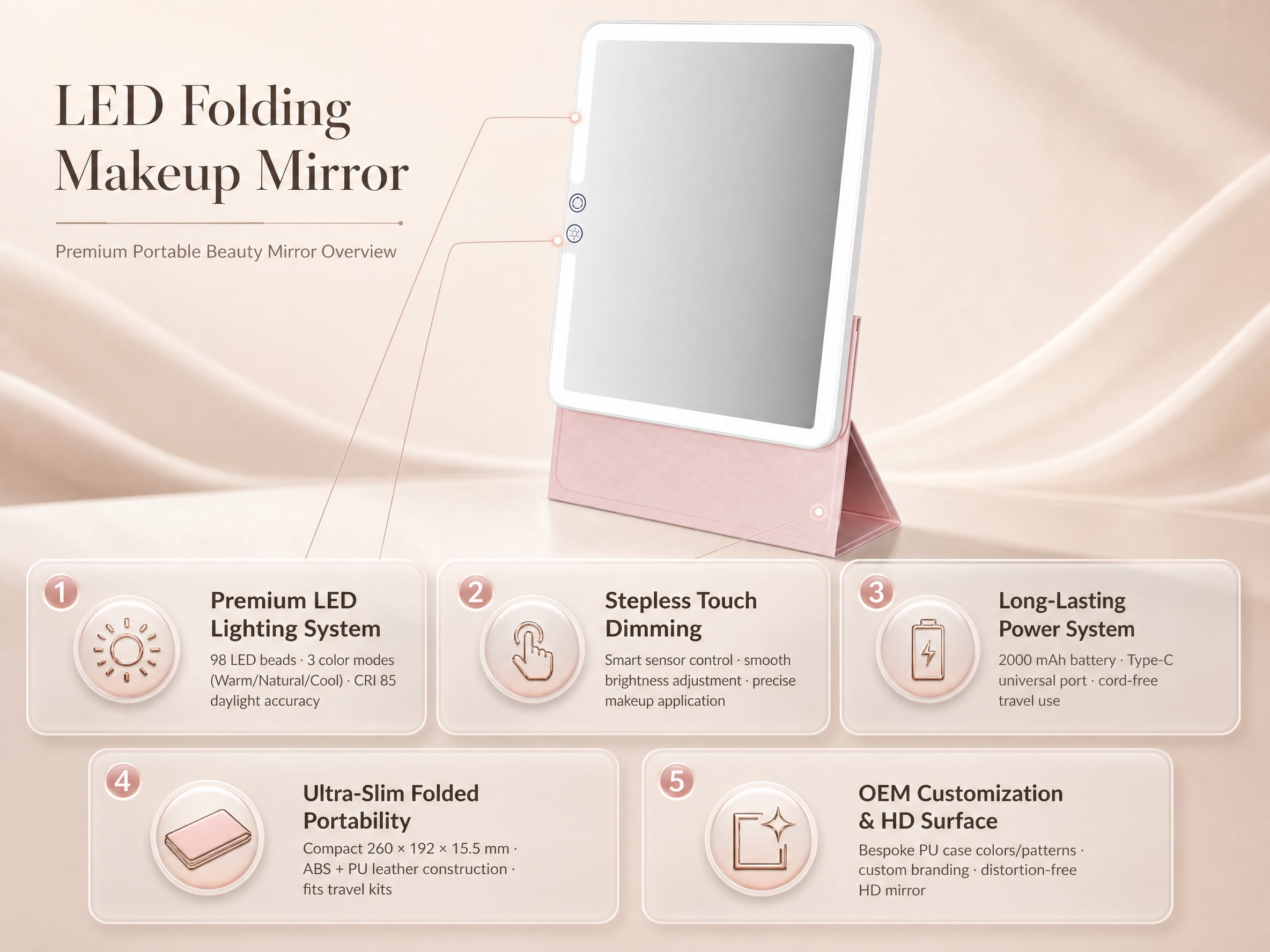
By utilizing smart sensors, the mirror only draws active current when a guest is actively standing in front of the vanity. For specialized vanity zones, specifying a high-performance Bathroom Mirror Customization with low-power standby modes ensures that the self-discharge rate is kept to a minimum, extending maintenance intervals to several months.
Non-Destructive Mounting Systems for Delicate Substrates
Plaster and lath walls do not possess the same load-bearing characteristics as modern drywall and metal studs. Securing a heavy heavy glass mirror requires specialized mounting brackets that distribute the physical load horizontally across multiple structural points without deep drilling.
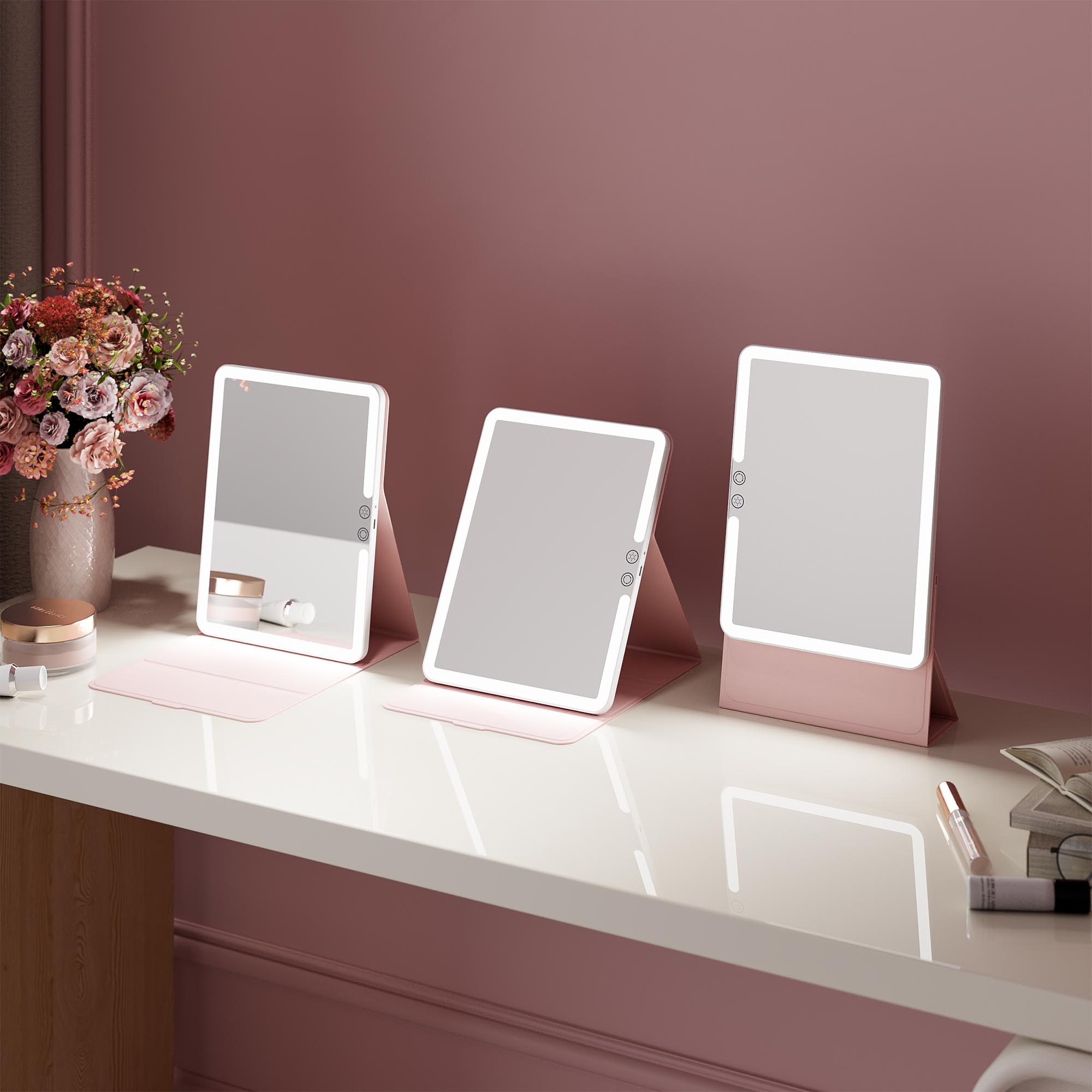
Specifiers should look for French cleat systems or low-profile mounting brackets designed to spread weight evenly. Furthermore, the mounting hardware must allow housekeeping or maintenance staff to easily detach or slide the mirror body to access the battery compartment without putting stress on the fragile wall surface.
Comparing Power Supply and Operational Efficiencies
Choosing the correct power architecture is critical to keeping hotel operational costs low. The table below outlines the primary differences between common battery solutions suitable for historic hotel mirror installations.
| Power System Type | Average Battery Life | Maintenance Complexity | Optimal Applications |
|---|---|---|---|
| Replaceable Alkaline (C/D Cell) | 3–6 Months | Medium (Requires physical battery swapping) | Low-occupancy boutique properties |
| Removable Li-ion Pack (USB-C Rechargeable) | 6–12 Months | Low (Hot-swap battery design) | High-occupancy commercial hotels |
| Hybrid Low-Voltage DC Wiring | N/A (Continuous recharge) | Very Low | Properties undergoing full plumbing wet-wall updates |
For most historic projects, a removable lithium-ion cartridge system offers the ideal balance, allowing housekeeping to swap power packs during routine room turnarounds without taking the Frameless Bathroom Mirrors off the wall.
A Checklist for Commercial Retrofit Specification
Before finalizing a purchase order for historic property retrofits, procurement managers should run through this essential checklist to ensure long-term viability:
- Confirm the mounting system is compatible with uneven plaster walls and does not require anchoring into structural woodwork.
- Verify that the LED driver matches energy-saving specifications and includes an automatic shutoff timer (preset to 10 or 15 minutes).
- Ensure the battery pack is housed in a secure, moisture-resistant compartment rated at least IP44 to prevent steam damage.
- Check the availability of bulk replacement parts, particularly dedicated rechargeable lithium cartridge packs.
- Specify a design that complements the aesthetic period of the hotel, such as a timeless Framed Bathroom Mirror that matches existing historic metal hardware finishes.
Frequently Asked Questions
Q: How long do batteries last in commercial-grade LED mirrors before requiring replacement?
A: Under normal guest usage patterns (approximately 30 to 45 minutes of active illumination per day), a high-capacity rechargeable lithium-ion battery system with an integrated motion sensor will last between 6 to 12 months before requiring a recharge or physical battery swap.
Q: What are the wiring and electrical code requirements for battery-operated fixtures in historic hotel bathrooms?
A: Because battery-operated LED mirrors operate on low-voltage direct current (typically 5V to 12V DC), they are generally exempt from the stringent National Electrical Code (NEC) conduit and junction box requirements that apply to 110V/220V AC hardwired fixtures, making them ideal for strict historic code compliance.
Q: Are there rechargeable battery pack systems designed specifically for commercial mirror retrofits?
A: Yes, professional hospitality manufacturers supply specialized lithium-ion battery cartridges featuring quick-release mechanisms. These allow maintenance crews to perform hot-swaps in under 60 seconds using a master key, without removing the mirror from the wall.
Q: How do battery-operated LED mirrors impact hotel maintenance schedules and labor costs?
A: While battery-operated mirrors introduce a recurring task to the preventative maintenance schedule, they eliminate the massive upfront capital expenses of retrofitting wall structures with hardwiring. When aligned with quarterly or bi-annual deep-cleaning schedules, the added labor cost is negligible.
Q: What mounting systems allow easy battery access without damaging historic lath-and-plaster walls?
A: Heavy-duty French cleat hangers with security locking pins are recommended. They distribute the load evenly across horizontal wood laths and allow the mirror frame to be lifted slightly or swung open on a secure hinge to access the power compartment without pulling wall anchors loose.





