Nederlands
 Deutsch
 Español
  Français
 Русский
Maximizing Value: Designing Custom Bathroom Mirrors with Storage for Modern Condominium Projects
In high-density modern condominium developments, spatial efficiency and premium aesthetics drive project valuation. Specifying a tailored Bathroom Mirror Customization solution allows developers to merge elegant high-definition reflective surfaces with highly functional concealed storage. Balancing minimal wall profiles with durable internal layouts requires careful technical coordination among manufacturers, architects, and electrical contractors.
Structural Wall Reinforcement and Load Metrics
Wall-hung cabinets installed in modern high-rise projects face distinct structural challenges, particularly when mounting to modern light-gauge metal studs rather than traditional wood blocking. For high-occupancy multi-family layouts, a standard cabinet must support a minimum load capacity of 25 kg to 35 kg without showing signs of structural sag or wall pullout.
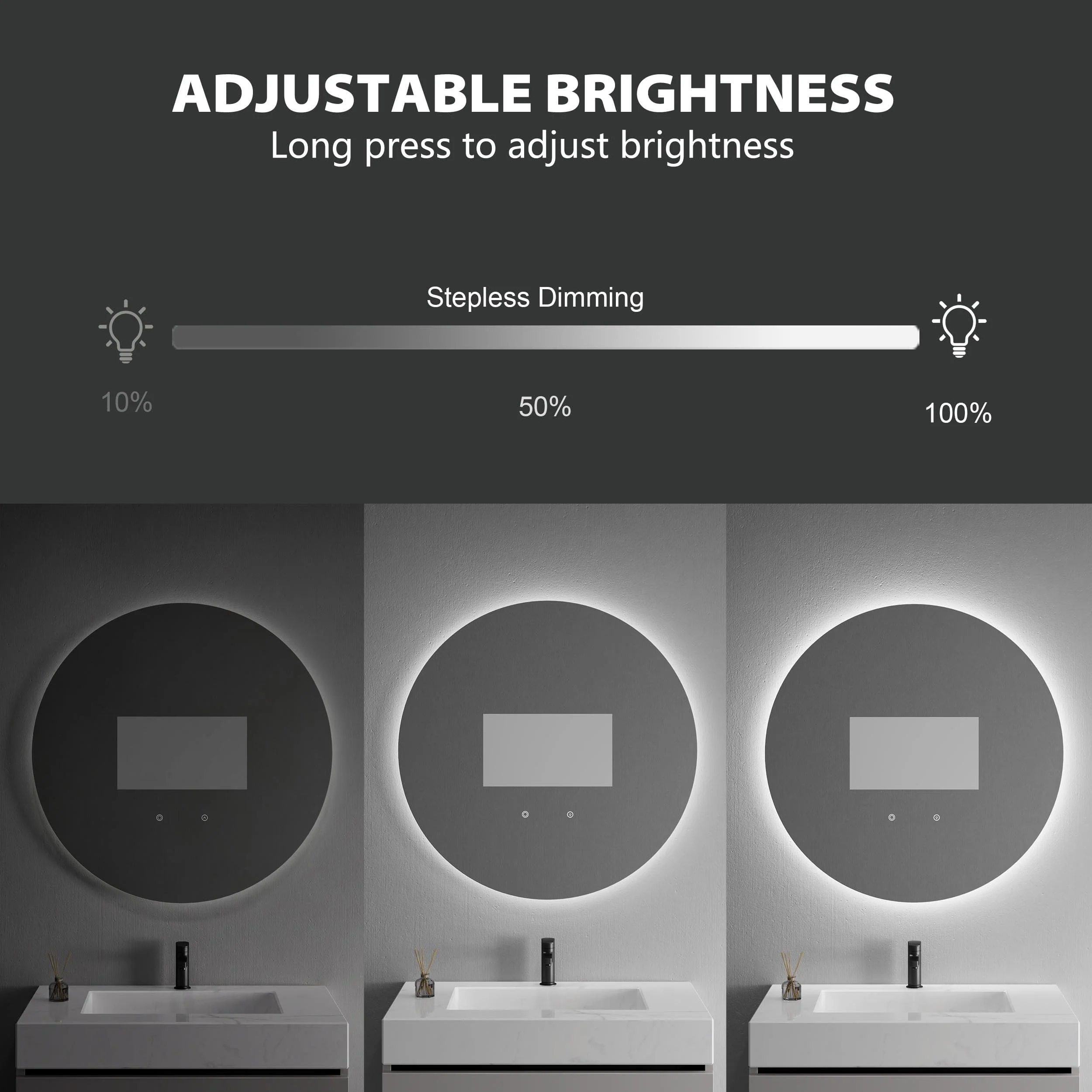
To guarantee long-term stability, developers must coordinate structural reinforcement during the drywall rough-in phase. This involves installing continuous horizontal steel straps or heavy-duty plywood backing between metal studs at the exact installation height of the cabinet mounting brackets. Selecting a robust Bathroom Mirror with Shelf or integrated cabinet unit ensures that these mounting brackets are engineered to distribute weight evenly across multiple anchor points, mitigating the risk of drywall fatigue over years of daily tenant use.
Material Durability in High-Rise HVAC Environments
High-rise residential bathrooms are subject to intense humidity fluctuations due to compact spatial designs and restricted airflow. The choice of cabinet carcass materials directly impacts the lifespan of the fixture. While standard MDF can swell and delaminate under constant moisture exposure, marine-grade aluminum and stainless steel offer superior corrosion resistance and structural integrity.
Anodized aluminum alloy is highly favored for multi-family projects because of its lightweight profile and natural resistance to rust. When selecting a Makeup Mirror with Storage, manufacturers test the structural hinges to ensure they can withstand over 50,000 open-close cycles. Heavy-duty soft-close hydraulic hinges prevent slamming, reducing mechanical stress on the mirror frame and the wall-mounting points.
Integrated Smart Technology and Electrical Coordination
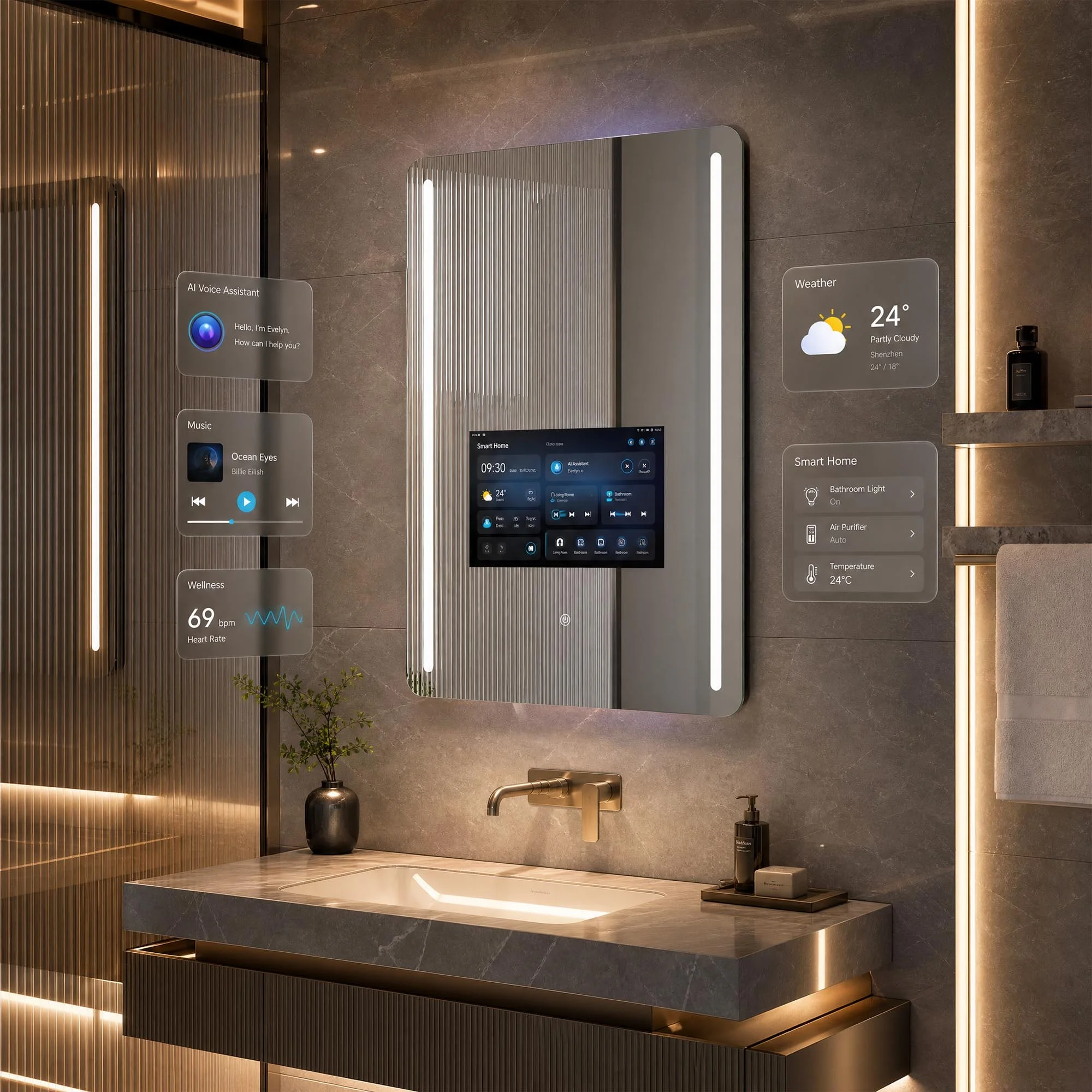
Integrating modern conveniences such as LED lighting, demister pads, and shaver sockets into a slim cabinet profile requires precision engineering. High-rise bathrooms often feature tight plumbing chases and shallow wall depths, leaving very little room for bulky electrical components. Incorporating a premium Vanity Mirror Customization solution involves factory-integrating all wiring, LED drivers, and junction boxes directly into the cabinet chassis.
To ensure a smooth installation on-site, the mirror manufacturer must coordinate with the electrical subcontractor to establish the precise exit point of the power cord. Sockets and demister pads must be strategically placed to avoid interfering with internal shelves, while keeping electrical components safely sealed behind an IP44-rated splash-proof housing. This coordination prevents costly field modifications and ensures compliance with building safety codes.
Comparison of Cabinet Materials for Condo Projects
Choosing the correct core material for custom storage mirrors is vital to managing project budgets and long-term maintenance costs. The table below outlines the core performance metrics of common cabinet carcass materials.
| Material | Humidity Resistance | Weight Profile | Average Lead Time | Project Cost Factor |
|---|---|---|---|---|
| Anodized Aluminum | Excellent (Rust-proof) | Lightweight | 4–6 Weeks | Moderate to High |
| 304 Stainless Steel | High (Corrosion-resistant) | Heavy | 6–8 Weeks | High |
| Marine-Grade MDF | Moderate (Requires sealing) | Moderate | 4–5 Weeks | Low to Moderate |
ADA Compliance and Spatial Clearance Checklist
Ensuring that storage mirrors comply with the Americans with Disabilities Act (ADA) is a critical requirement for multi-family projects. Sourcing managers must verify specific dimensions and mounting heights to pass local building inspections.
- Mounting Height: The bottom edge of the reflective surface must be mounted no higher than 40 inches (1015 mm) above the finished floor.
- Projection Limits: For units located along common circulation paths, the cabinet must not project more than 4 inches from the wall if the bottom edge is between 27 inches and 80 inches above the floor.
- Operable Parts: Internal shelves, shaver sockets, and touch sensors must be within an accessible reach range (typically 15 to 48 inches above the floor) and usable with one hand without tight grasping or twisting of the wrist.
- Hinged Door Clearance: Cabinet doors must not obstruct required clear floor spaces or block wheelchair turning radii when fully opened.
Frequently Asked Questions
Q: How do custom storage mirrors impact ADA compliance clearance in condo bathrooms?
A: Custom storage units must balance projection and mounting heights. Standard surface-mounted units exceeding 4 inches in depth must be recessed into the wall or mounted outside common paths to ensure they do not obstruct wheelchair clearance or violate maximum projection guidelines.
Q: What are the structural wall reinforcement requirements for heavy commercial-grade medicine cabinets?
A: When mounting to light-gauge metal studs, installers must place a minimum of 16-gauge steel strap or 3/4-inch plywood backing behind the drywall. This ensures the heavy-duty mounting screws have solid structural material to bite into, preventing sag under full load capacities.
Q: How does integrated LED lighting in mirror cabinets connect to standard condo electrical rough-ins?
A: The manufacturer provides pre-wired junction boxes or whip leads situated at a specific location on the cabinet rear. During rough-in, the electrical subcontractor runs a localized feed to that coordinate, allowing for a rapid, plug-and-play connection during final trim installation.
Q: What is the lead time for bulk custom aluminum-frame mirror cabinets vs stainless steel?
A: Bulk orders for custom aluminum-frame cabinets typically have a lead time of 4 to 6 weeks, whereas custom stainless steel units require 6 to 8 weeks due to the complex welding, grinding, and polishing processes involved in fabrication.
Q: How do manufacturers test hinge durability for high-occupancy multi-family rental projects?
A: Reputable manufacturers perform cycle testing where heavy-duty hydraulic soft-close hinges undergo 50,000 continuous opening and closing cycles under full door-load simulation to verify resistance against metal fatigue, sag, and fluid leaks.