 Nederlands
 Deutsch
 Español
  Français
 Русский
Sourcing Aluminum vs. Stainless Steel Mirror Cabinets: A Guide for Commercial Developers
For commercial developers and project managers, choosing the right material for high-traffic restroom facilities is a critical decision that impacts both upfront installation logistics and long-term operating costs. Mirror cabinets must withstand constant physical use, frequent cleaning regimens, and high-humidity environments without compromising their structural integrity. This technical guide analyzes the performance of 6000-series anodized aluminum and Grade 304/316 stainless steel to help you make an informed sourcing decision.
Metallurgical Specifications and Corrosion Resistance
The primary differentiator between aluminum and stainless steel in commercial damp environments lies in their chemical composition and surface treatments. Commercial-grade aluminum cabinets typically utilize 6000-series alloy (such as 6063-T5 or T6), which undergoes an electrochemical anodizing process to build a dense aluminum oxide layer that prevents further oxidation. Stainless steel cabinets rely on alloy composition, specifically Grade 304 (containing 18% chromium and 8% nickel) or Grade 316 (which adds molybdenum for enhanced chloride resistance), to form a self-healing passive chromium oxide film.
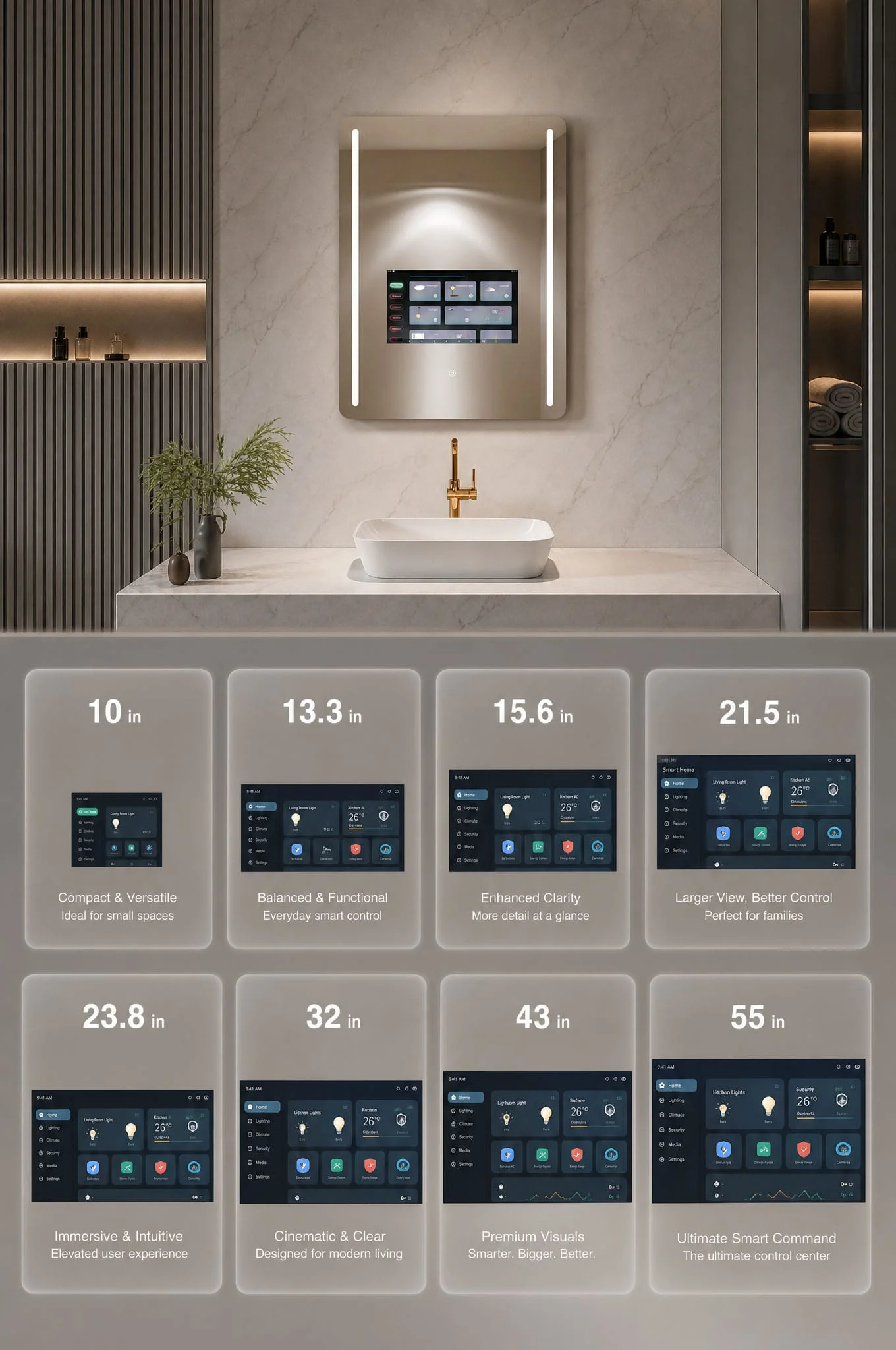
In standard high-humidity restrooms, both materials perform exceptionally well. However, in coastal developments or facilities using chlorinated cleaning agents, Grade 316 stainless steel offers superior resistance to pitting and crevice corrosion. For projects requiring extensive customization, utilizing a professional Bathroom Mirror Customization service ensures that the selected metal grade matches the specific atmospheric conditions of the installation site.
Structural Weight and Wall Reinforcement Requirements
Structural engineering calculations are crucial when planning multi-story commercial installations. Stainless steel has a density of approximately 7.9 g/cm³, while aluminum stands at roughly 2.7 g/cm³, meaning stainless steel is nearly three times heavier than aluminum of the same volume.
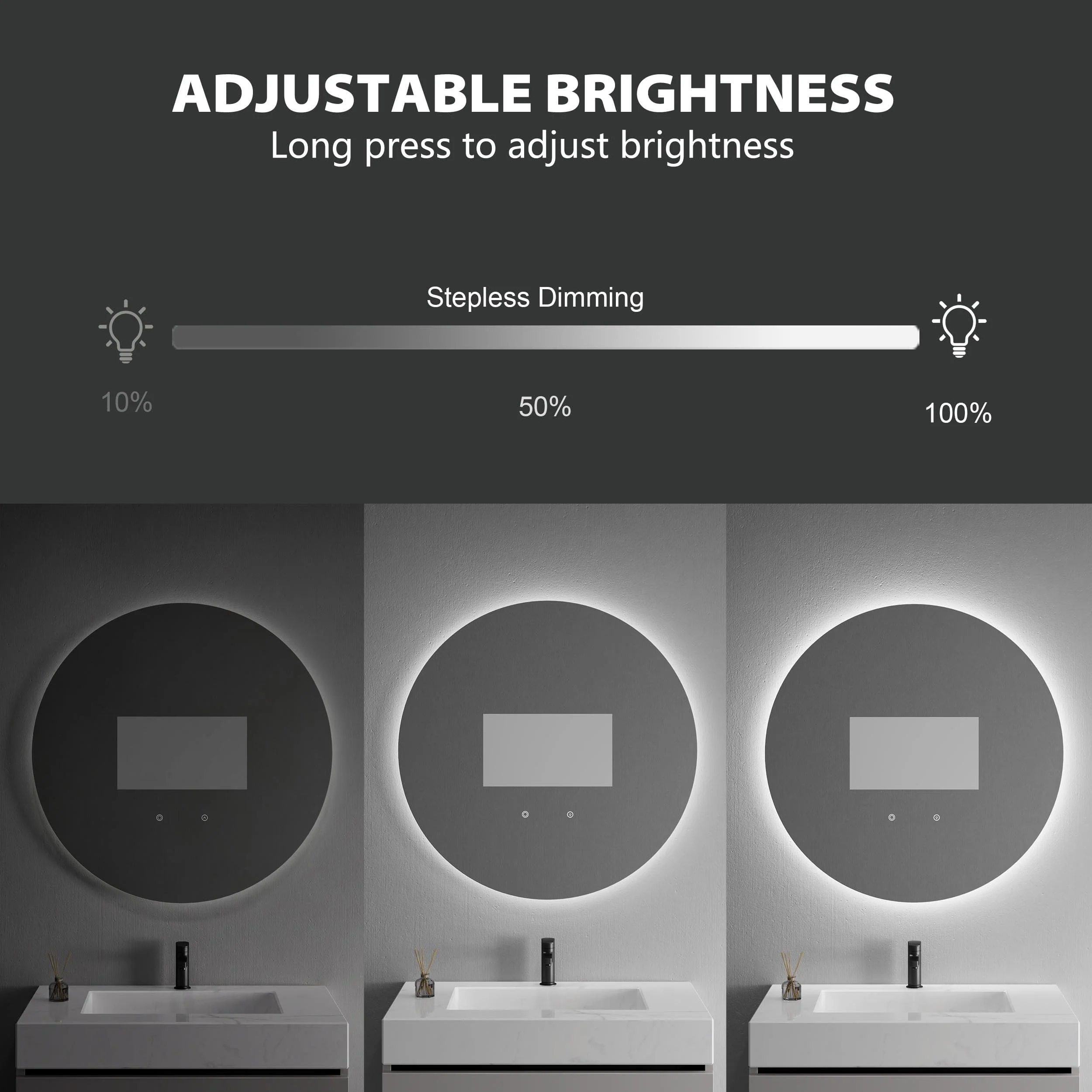
This substantial weight disparity directly impacts wall framing requirements. Heavy stainless steel cabinets often require additional internal blocking, backing plates, or reinforced metal studs to prevent wall sag over time. Conversely, lightweight anodized aluminum extrusions reduce the dead load on the building structure, simplifying the mounting process and lowering structural engineering costs, especially when deploying high-volume units across hundreds of hotel or apartment baths.
Comparative Analysis of Aluminum and Stainless Steel
To evaluate these materials for large-scale procurement, developers must weigh physical properties, lifetime performance, and installation factors side by side.
| Performance Metric | 6000-Series Anodized Aluminum | Grade 304/316 Stainless Steel |
|---|---|---|
| Weight-to-Strength Ratio | High (Lightweight but highly rigid) | Excellent (Very high tensile strength, heavy) |
| Corrosion Resistance (Salt Spray) | Excellent (With proper anodizing depth) | Outstanding (Particularly Grade 316) |
| Wall Reinforcement Required | Minimal to none in standard studs | Often required (Heavy duty backing plates) |
| Fingerprint & Scratch Resistance | Excellent (Anodized finishes resist smudges) | Moderate (Brushed surfaces show prints easily) |
| Hinge and Hardware Life | Typically 50,000 to 100,000 cycles | 150,000+ cycles (High-wear resistance) |
Maintenance Protocols and Surface Preservation
In high-traffic public facilities, daily maintenance protocols significantly dictate the lifespan of restroom fixtures. Stainless steel, despite its strength, is highly susceptible to fingerprint smudging, water spots, and oil marking. It requires specialized cleaners to maintain its premium aesthetic, and harsh abrasive pads can easily scratch the brushed direction of the grain.
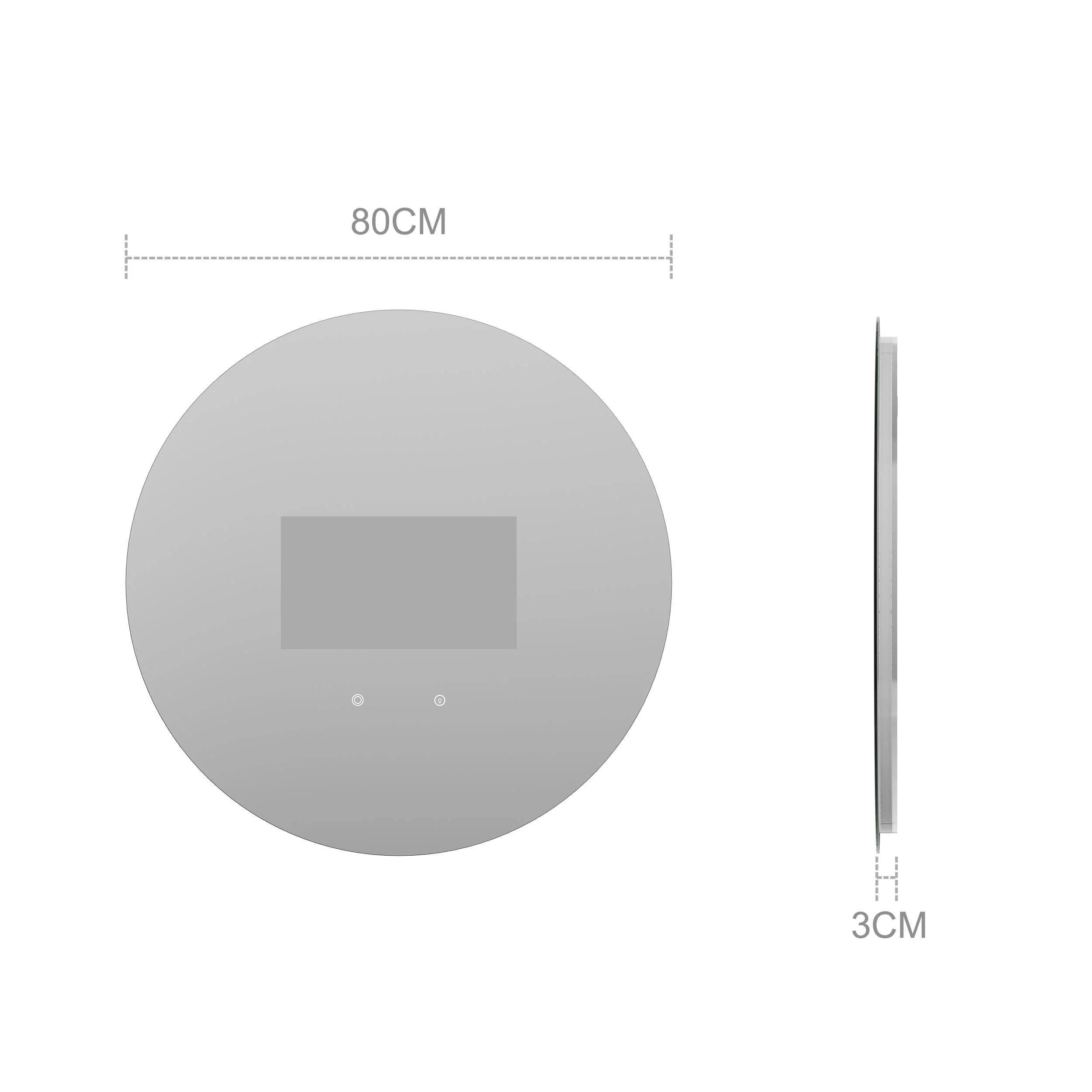
Anodized aluminum, on the other hand, possesses a micro-textured surface that naturally diffuses light and hides fingerprints. It is highly resistant to non-acidic commercial cleaners and can be wiped down quickly with standard microfiber cloths. When seeking a premium aesthetic with minimal maintenance overhead, sourcing customized solutions like a Vanity Mirror Customization package allows developers to specify matte or anti-fingerprint coatings on the metal frames.
Long-Term Total Cost of Ownership (TCO)
While the initial purchase price of aluminum and stainless steel can vary based on market fluctuations, the Total Cost of Ownership (TCO) must factor in transportation, labor, and lifetime maintenance. Aluminum's lower weight reduces freight shipping costs and permits single-installer mounting, dramatically lowering labor costs on large-scale hospitality or commercial projects.
Stainless steel offers unmatched physical durability against vandalism and heavy impact, making it the preferred choice for high-volume transport hubs, correctional facilities, and public stadiums. However, for office buildings, luxury hotels, and multi-family residential developments, high-quality anodized aluminum cabinets strike the optimal balance between elegant aesthetics, easy installation, and structural longevity.
Frequently Asked Questions
Q: What is the lifespan difference between aluminum and stainless steel cabinets in high-humidity commercial restrooms?
A: Anodized aluminum cabinets typically last 10 to 15 years in high-humidity environments before the protective oxide layer naturally thins. High-grade stainless steel (304 or 316) can last over 25 years under the same conditions, assuming proper cleaning and maintenance protocols are followed.
Q: How do anodized aluminum and grade 304 stainless steel compare in terms of corrosion resistance for coastal developments?
A: Standard grade 304 stainless steel can suffer from "tea staining" or pitting when exposed to salty sea air. For coastal developments, either anodized aluminum (with a minimum coating thickness of 15 microns) or grade 316 stainless steel is highly recommended, as they offer superior protection against salt-spray corrosion.
Q: Which mirror cabinet material offers better structural integrity for heavy-use, high-traffic commercial installations?
A: Stainless steel offers higher tensile strength and structural rigidity, making it less prone to denting or warping from vandalism. However, aluminum extrusions with internal reinforcing ribs also provide exceptional structural integrity for standard commercial use while remaining lightweight.
Q: How do the structural weight differences of aluminum vs. stainless steel impact commercial wall reinforcement requirements?
A: Aluminum's light weight often allows it to be anchored directly to standard drywall or light metal studs without extra backing. Stainless steel cabinets require heavy-duty backing plates or structural timber blockings within the wall cavity to prevent sagging and pulling over time.
Q: What are the maintenance and cleaning protocol differences between aluminum and stainless steel mirror cabinets in public facilities?
A: Stainless steel requires regular polishing with specialized stainless-steel cleaners to eliminate fingerprints and water marks. Anodized aluminum is highly forgiving, requiring only mild soapy water or glass cleaner to maintain its original appearance, which significantly reduces commercial cleaning labor hours.





