Nederlands
 Deutsch
 Español
  Français
 Русский
Sourcing Premium Mirrored Bathroom Cabinets with Integrated Lighting for High-End Hotel Suites
Sourcing vanity solutions for high-end hospitality projects requires a deep understanding of commercial durability, guest ergonomics, and building automation integration. Unlike standard residential fixtures, premium mirrored cabinets in luxury hotel suites must withstand round-the-clock housekeeping cycles, high-humidity environments, and rigorous electrical safety standards. This guide provides hospitality procurement managers and MEP engineers with the technical specifications necessary to evaluate and source high-performance illuminated cabinetry at wholesale volumes.
Preventing Glass Corrosion with Double-Sided Copper-Free Silvering
In high-humidity guestroom bathrooms, standard mirrors are highly susceptible to black-edge corrosion caused by moisture attacking the silver backing layer. To prevent premature degradation, high-end hospitality specifications mandate double-sided copper-free silver glass, typically with a minimum thickness of 5mm per pane.
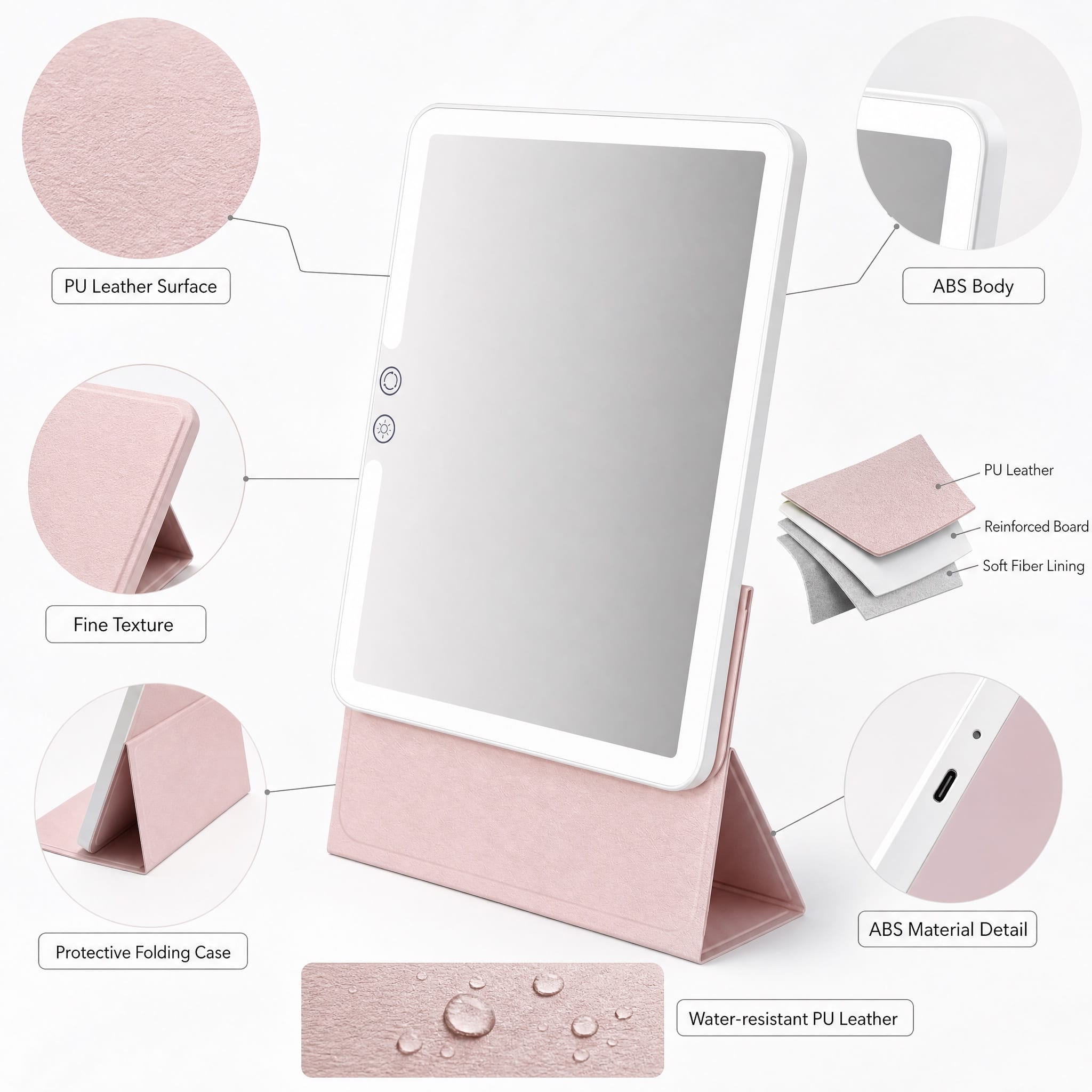
The copper-free manufacturing process utilizes a specialized passivation chemical layer and a protective epoxy topcoat. This chemical barrier prevents oxidation and resists the harsh chemical cleaning agents frequently used by hotel housekeeping staff. When sourcing a premium bathroom mirror cabinet, demanding double-sided silvering ensures that guest vanity mirrors retain their optical clarity on both the exterior facade and the inner door face for years of continuous service.
Commercial-Grade LED Driver Engineering and Maintenance
One of the primary failure points in illuminated furniture is the LED driver, yet residential-grade cabinets often seal these components inside inaccessible wall cavities. For hospitality properties, minimizing guestroom downtime is critical; maintenance staff must be able to replace drivers in minutes without dismantling the wall assembly or damaging the wall finish.
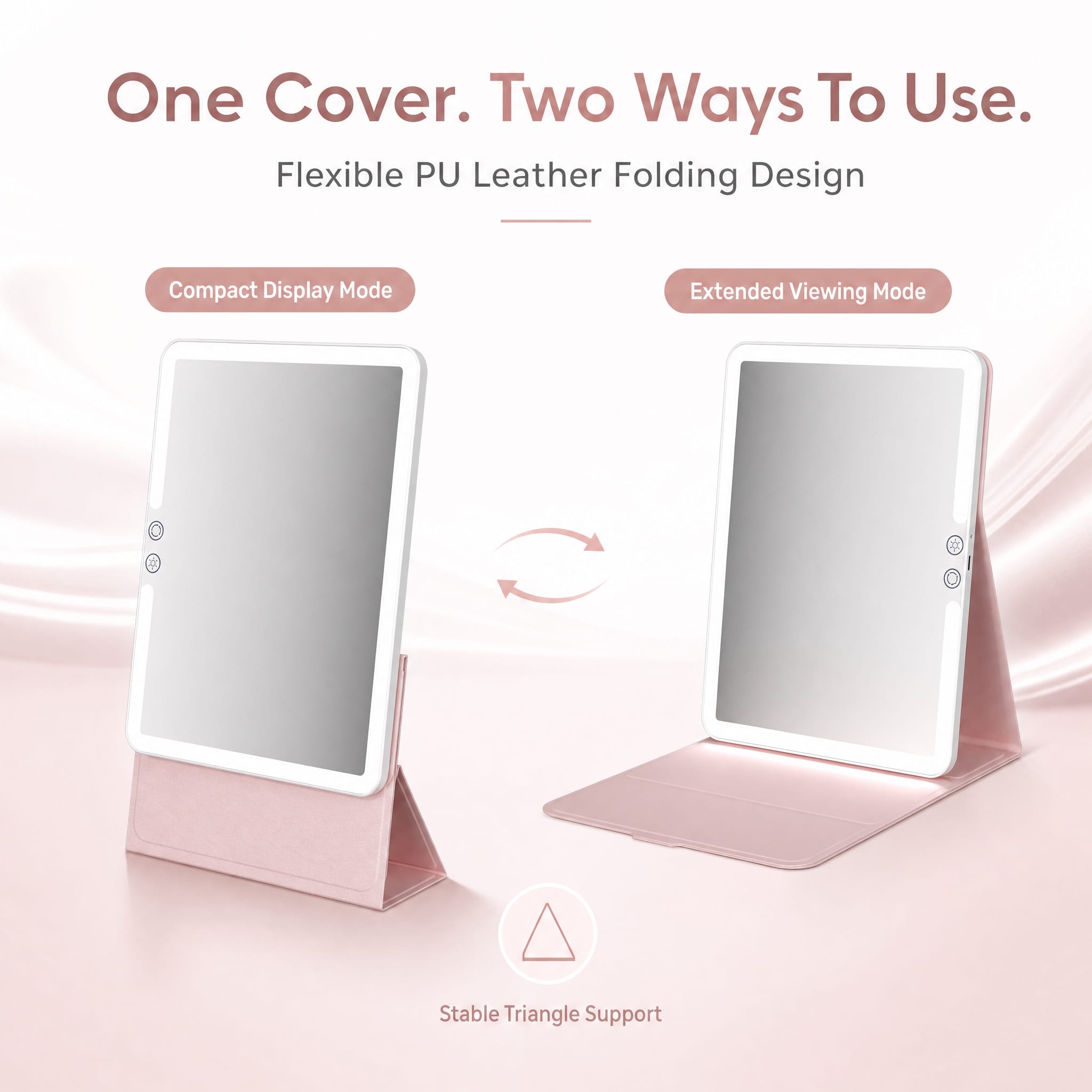
Commercial-grade cabinets feature dedicated, front-accessible driver compartments located within the interior chassis. Wiring channels must run through integrated metal raceways to protect internal electronics. Furthermore, premium LED strips must deliver a Color Rendering Index (CRI) of greater than 90, with a Spectral Standard Deviation of Color Matching (SDCM) of less than 3, ensuring perfect color temperature consistency across hundreds of rooms. Choosing a custom makeup mirror with storage designed with these mechanical safety margins guarantees both performance and easy maintenance.
Hotel Automation and Dimming Protocol Integration
Modern luxury suites utilize centralized Guestroom Management Systems (GRMS) to control lighting scenes, heating, and drapery. Sourcing illuminated cabinets for these environments requires strict coordination with electrical consultants regarding dimming protocols. Standard residential triac dimmers are rarely sufficient for luxury automation networks.
Depending on the hotel's infrastructure, drivers must support either 0-10V analog dimming, TRIAC phase-cut dimming, or digital DALI (Digital Addressable Lighting Interface) protocols. These systems ensure smooth, flicker-free dimming from 100% down to 1%, allowing the vanity cabinet to transition from bright morning task lighting to a soft, low-lux nightlight automatically based on guestroom occupancy status.
Comparing Residential vs. Commercial-Grade Lighted Cabinets
The operational demands of a five-star resort require physical and mechanical tolerances that exceed residential standards. The table below outlines the core technical differences when comparing retail-grade cabinets with heavy-duty commercial alternatives.
| Technical Specification | Residential Grade (Retail) | Commercial/Hospitality Grade |
|---|---|---|
| Glass Silvering process | Single-sided standard silvering | Double-sided copper-free silver glass (5mm) |
| Driver Accessibility | Sealed behind back panel (non-replaceable) | Front-access compartment (easy replacement) |
| LED Performance Limits | CRI >80, SDCM <5 (potential color variance) | CRI >90, SDCM <3 (high-fidelity binning) |
| Hinges & Hardwares | Standard hydraulic soft-close hinges | Heavy-duty 170-degree commercial grade hinges |
| Dimming Support | On/Off or basic touch-sensor only | 0-10V, TRIAC, or DALI automation compatible |
Customization Limits and Structural Engineering for Drywall Mounting
Hospitality designs frequently demand custom dimensions to fit precise wall-to-wall vanity niches. When pursuing professional bathroom mirror customization, project managers must verify physical limits, including custom hardware integrations, internal power sockets, and integrated defogger pads.
Furthermore, because commercial hotel walls are often constructed of standard metal studs and drywall, heavy illuminated cabinets require robust structural wall-mounting systems. Aluminum cleat mounting brackets are standard, distributing the weight evenly across multiple studs. The internal wiring must be routed through pre-punched knockouts that align with standard commercial electrical junction box positions, ensuring compliance with local building codes.
Frequently Asked Questions
Q: What are the IP rating requirements for lighted bathroom mirrors in luxury hotel suites?
A: For typical guestroom configurations, an IP44 rating is standard. This protects the internal electronic components, LED strips, and driver compartments against water splashes from any direction, making them perfectly safe for Zone 2 wet areas adjacent to sinks and showers.
Q: How do hospitality project managers evaluate the lifespan and replacement of integrated LEDs in vanity cabinets?
A: Specifiers should look for LED strips rated for LM-80 performance (minimum 50,000 hours to L70). Crucially, the cabinet design must allow the LED strips and drivers to be serviced locally using modular plug-and-play connectors, avoiding the need to replace the entire mirror housing.
Q: What dimming protocols (0-10V, TRIAC, or DALI) are standard for high-end hotel guestroom automation systems?
A: 0-10V and DALI are the most common protocols used by hotel automation systems like Lutron, Crestron, or Schneider. TRIAC is still specified occasionally for retrofits, but digital protocols are preferred for smooth, flicker-free dimming transitions.
Q: How does double-sided copper-free silver glass prevent corrosion in high-humidity hotel bathrooms?
A: Copper-free backing replaces standard copper coatings with advanced metal primer and passivating layers. This prevents oxidation reactions that cause