Nederlands
 Deutsch
 Español
  Français
 Русский
UKCA and CE Compliance Checklist for Wholesaling Smart LED Bathroom Mirrors
Sourcing smart LED mirrors for commercial distribution in the United Kingdom and European Union requires rigorous adherence to safety, electromagnetic compatibility, and radio equipment regulations. Because these products combine water exposure, high-voltage mains power, and low-voltage digital controls, wholesalers face substantial legal risks if compliance documentation is incomplete. This guide provides a technical roadmap for auditing factory Technical Construction Files (TCF), verifying component-level certifications, and securing hassle-free customs clearance.
1. Understanding UKCA and CE Dual-Marking Timelines
Wholesalers distributing to both Great Britain (England, Scotland, and Wales) and the European Union must navigate the overlapping regulatory landscapes of UKCA and CE markings. While the UK government has indefinitely extended the recognition of the CE mark for many goods, importing a premium bathroom mirror into these distinct jurisdictions still demands precise technical file management.
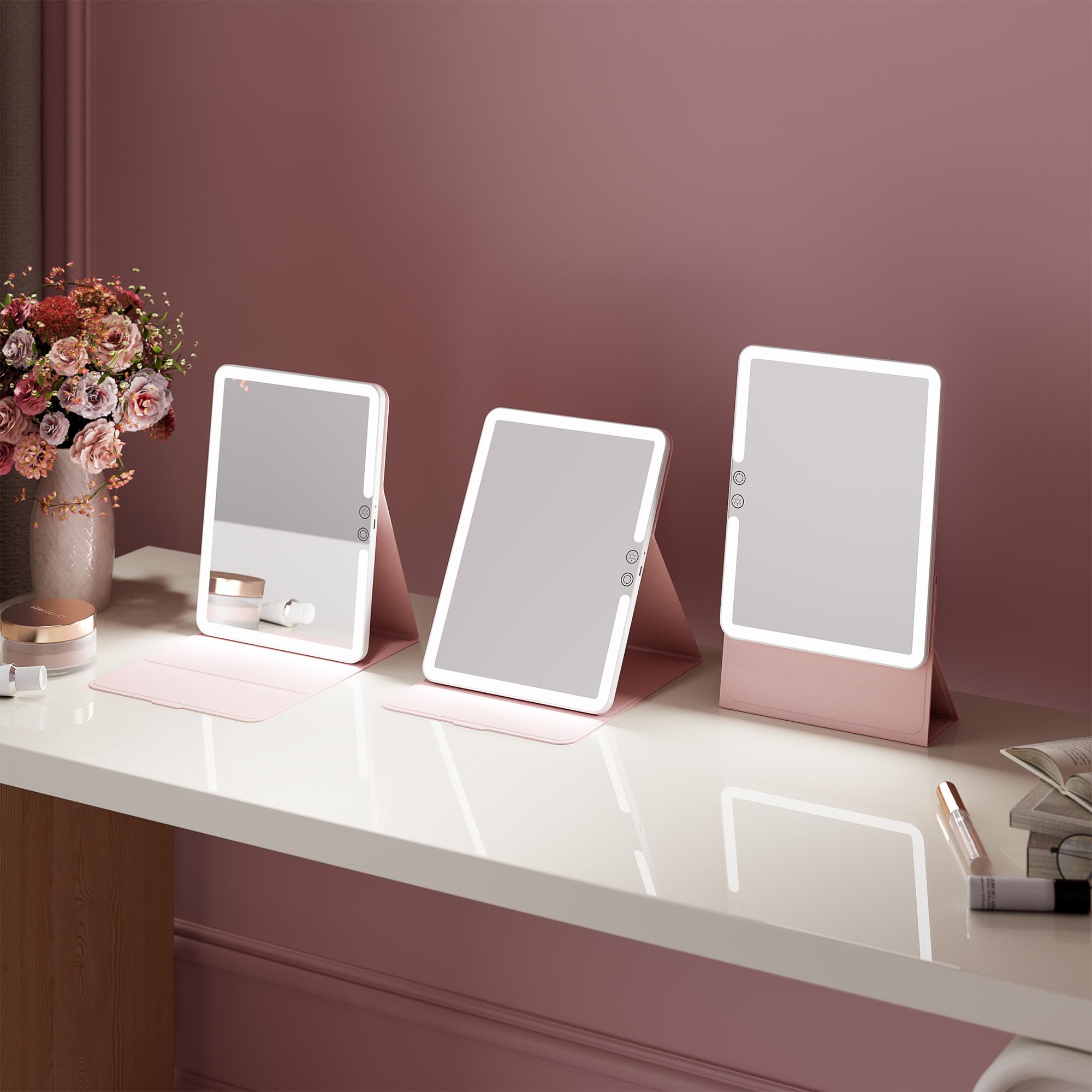
Products sold in Great Britain require the UKCA mark, whereas products sold in Northern Ireland and the EU require the CE mark. To streamline logistics, manufacturers apply a dual-marking approach on the physical rating plate of the product. This consolidated label must explicitly state the importer details, electrical safety specifications, and applicable directive compliance for both markets simultaneously to prevent border seizures.
2. Multi-Component Compliance & Regulatory Standards
A common pitfall for procurement officers is assuming a smart mirror is compliant because its LED driver carries an isolated CE cert. A fully integrated rgb led bathroom mirror with Bluetooth speakers and demister pads requires systemic evaluation. Under the Low Voltage Directive (LVD) and Electromagnetic Compatibility (EMC) Directive, the entire finished assembly must be tested as a unified system.
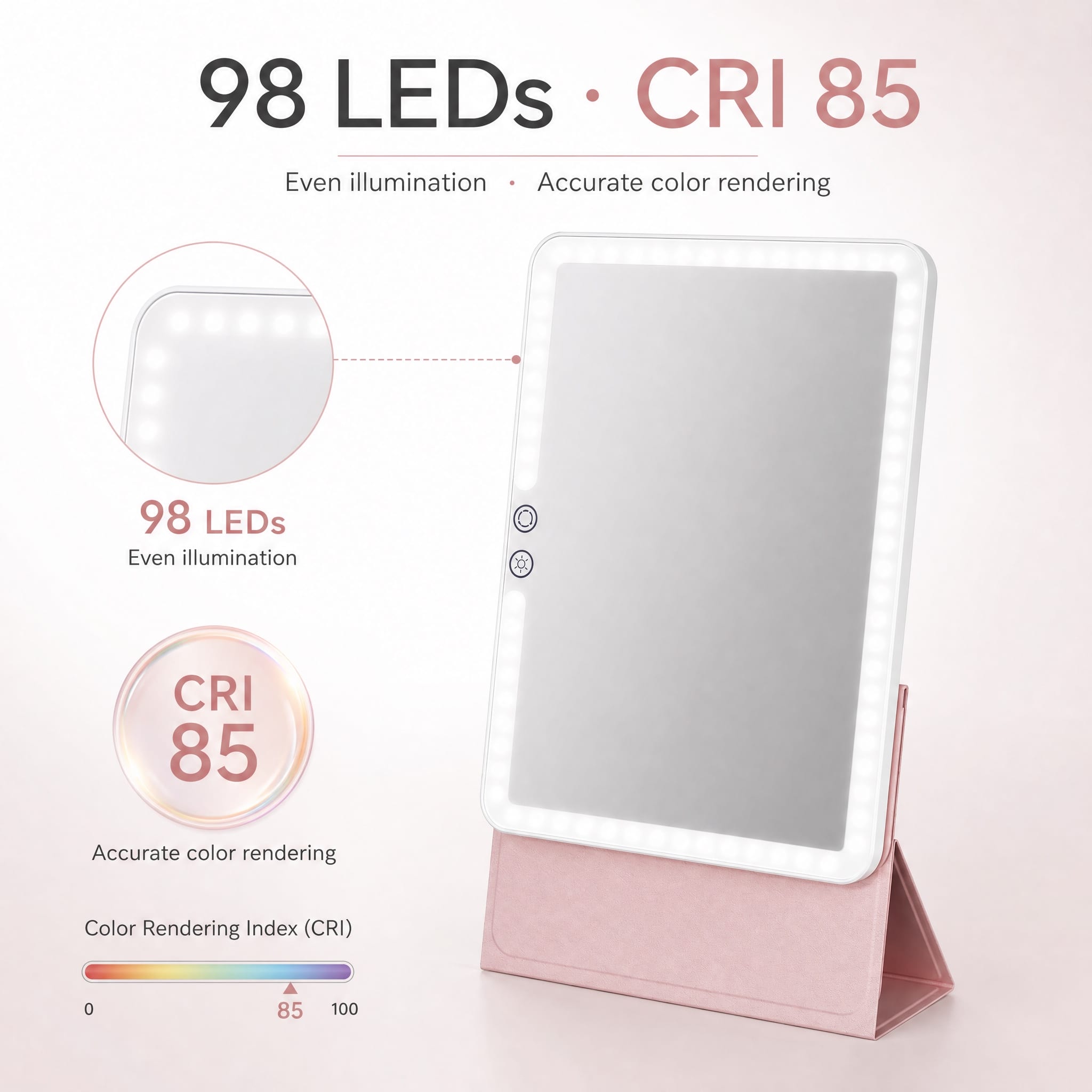
When a mirror incorporates wireless connectivity, it falls under the scope of the Radio Equipment Directive (RED) for the EU and the Radio Equipment Regulations for the UK. This overrides certain standard LVD/EMC pathways, requiring specialized testing for radio frequency spectrum efficiency alongside standard electrical insulation testing.
3. BS 7671 Wiring Regulations and IP44 Waterproofing
In the UK, electrical installations in wet environments are strictly governed by BS 7671 (IEE Wiring Regulations). Bathrooms are divided into specific zones based on proximity to water sources. Any smart bathroom mirror cabinet or wall-mounted mirror intended for Zone 2 must feature a minimum IP44 rating.
An IP44 rating guarantees protection against solid objects larger than 1.0mm and splashing water from any direction. Wholesalers should verify that the manufacturer's laboratory testing facilities simulate real-world conditions, utilizing calibrated water spray nozzles and dust chambers to ensure the internal enclosures housing touch-sensors, drivers, and relays remain dry and safe under high-humidity conditions.
4. Auditing the Technical Construction File (TCF)
Before finalizing a contract for a custom run of bathroom mirror customization, the importer must request and audit the factory's Technical Construction File. The TCF serves as the definitive legal proof of compliance if national trading standards authorities conduct an investigation.
| Documentation Element | Key Verification Parameters | Importer Risk Level |
|---|---|---|
| Declaration of Conformity (DoC) | Must list current BS/EN standards, sign-off by a qualified QA engineer, and exact model numbers matching the shipping manifest. | Critical |
| LVD & EMC Test Reports | Issued by an accredited third-party laboratory (ILAC/CNAS). Must confirm test parameters for EN 60598 (Luminaires) and EN 55015. | High |
| IP44 Test Report | Specific validation of rubber seals, cable entry glands, and silicone gaskets under water-jet exposure testing. | High |
| Component Certificates | UL/TUV/VDE certifications for the isolated power supply, defogger pad, and optional touch dimmer switches. | Medium |
5. Physical Labeling, Marking, and Traceability
Labeling non-compliance is one of the most frequent reasons smart mirrors are delayed at UK ports. Regulations require specific physical marking on the unit that must remain legible throughout the lifetime of the product.
The rating plate on the rear of the mirror must contain the UKCA and/or CE mark (minimum 5mm in height), the manufacturer name, registered trade name or brand, a unique batch or serial number for traceability, clear electrical ratings (e.g., 220-240V, 50Hz, total wattage), and the IP44 waterproof classification. Additionally, the importer details, including a UK-registered business name and physical address, must be present on the device or its packaging to satisfy UK legislation.
6. Frequently Asked Questions
Q: Who is legally responsible for UKCA/CE compliance: the manufacturer or the UK wholesaler?
A: The UK wholesaler acts as the "importer" under UK law and bears the primary legal responsibility. You must ensure the product is compliant, hold a copy of the Technical Construction File for 10 years, and confirm the manufacturer has carried out the correct conformity assessment procedures.
Q: What specific EN standards apply to smart LED mirrors with Bluetooth or demister pads?
A: Standard luminaires must meet EN 60598-1 and EN 60598-2-1. If a demister pad is included, EN 60335-1 and EN 60335-2-96 apply. For mirrors with Bluetooth or smart modules, EN 300 328 (under the Radio Equipment Directive) must be verified.
Q: How do I verify if a factory's Declaration of Conformity (DoC) for UKCA is authentic?
A: Cross-reference the certificate number with the issuing accredited laboratory's online verification database. Ensure the model numbers listed on the DoC exactly match the model numbers on your purchase invoice, shipping documents, and physical rating plates.
Q: Do smart mirrors require separate EMC, LVD, and RED testing for compliance?
A: Yes. If the mirror has wireless capabilities (Bluetooth or Wi-Fi), it must undergo testing for all three. The RED actually covers safety (LVD) and electromagnetic compatibility (EMC) requirements, but specific test reports for each element are required in the Technical File.
Q: What are the consequences of importing non-compliant LED mirrors into the UK?
A: Consequences include seizure of goods at the port of entry, forced product recalls, substantial fines from Trading Standards, and potential liability claims in the event of property damage or personal injury resulting from electrical malfunction.